
Reviewed · BERLIN WALL TOURS
Private Cold War Berlin: Espionage, Berlin Wall, a Divided City
The Wall still speaks in Berlin. This private tour connects the Berlin Wall Memorial, Tränenpalast, East Side Gallery, Stasi sites, Checkpoint Charlie, Prenzlauer Berg, and Alexanderplatz into one focused look at the city’s divided past. You get a private guide, hotel pickup and drop-off, and about three to four hours of history on foot.
I like the personal storytelling, especially when guides such as Tina and Toni connect major events with ordinary East German lives. I also like the wide range of stops, from escape tunnels and prison sites to murals and protest squares. The main consideration is the price, $191.44 per person, and the walking involved. Since the tour covers several far-apart areas, ask how transport between locations is handled when you book.
In This Review
- Key points to know before booking
- Why this private Cold War tour is worth your time
- Bernauer Strasse and the Berlin Wall Memorial
- Tränenpalast and the cost of saying goodbye
- East Side Gallery: art on the former Wall
- Stasi power inside the former headquarters
- Checkpoint Charlie and Cold War theater
- Prenzlauer Berg and the former prisons
- Alexanderplatz and the peaceful revolution
- Timing, walking, and hotel pickup
- Who gets the best value from the $191.44 price?
- Should you book this Cold War Berlin experience?
- FAQ
- How long does the private Cold War Berlin tour last?
- Is hotel pickup included?
- Is the tour private?
- What language is the tour offered in?
- Does the tour include food and drinks?
- Is the tour suitable for people with physical limitations?
- Can I cancel for a full refund?
Key points to know before booking
- Seven Cold War sites in one private outing: The route covers the Wall Memorial, Tränenpalast, East Side Gallery, Stasi Museum, Checkpoint Charlie, Prenzlauer Berg, and Alexanderplatz.
- Guides bring personal insight: Tina is praised for vivid storytelling, while Toni drew on his experience growing up during the Cold War.
- Hotel pickup and drop-off are included: That adds comfort and can save time at the start and end of the day.
- Expect a walking-heavy experience: Wear good shoes and dress for Berlin weather, since the tour operates in all conditions.
- The focus is human as well as political: Escape tunnels, family separations, surveillance, prison, protest, and reunification all appear.
- Private means your group gets the guide’s attention: The activity is limited to your own party, with group discounts available.
Why this private Cold War tour is worth your time
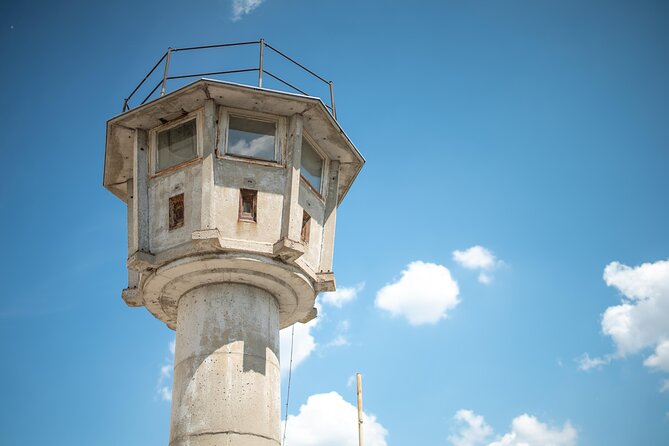
Berlin’s Cold War story can feel scattered. A watchtower here, a section of Wall there, a museum across town, and a painted slab somewhere else. This tour gives those pieces a clear order and a human thread.
You move from the Wall’s physical barrier to the emotional cost of crossing it, then to surveillance, espionage, resistance, and the peaceful protests that helped end the division. I like that structure because it shows the Cold War as more than a contest between superpowers. It was also about where people lived, whom they trusted, and what risks they would take for freedom.
The private format matters. You can ask why a particular crossing worked the way it did, how the Stasi used informants, or what daily life looked like on either side. A fixed group tour may need to keep moving, while a private guide can spend more time on the subjects that hold your attention.
Guides Tina and Toni received especially warm praise for their approach. Tina was described as a natural storyteller, with a strong grasp of the lived experience in East and West Germany. Toni brought a different kind of perspective because he was a child during the Cold War. That does not replace formal history, but it can make the period feel closer and less abstract.
At $191.44 per person, this is not a bargain sightseeing walk. Its value depends on how much you want a private, guided explanation rather than a quick look at the main Cold War landmarks. For a couple, family, or small group with a strong interest in modern European history, the cost may be reasonable. For a solo visitor on a tight budget, it may feel steep.
More City Tours in Berlin
- Berlin: 1-Hour City Tour by Boat with Guaranteed Seating
★ 4.3 · 16,993 reviews - Berlin: City Sightseeing Hop-On Hop-Off Bus Tour
★ 4.1 · 4,233 reviews - Potsdam: City and Castles Tour
★ 4.7 · 3,721 reviews
Bernauer Strasse and the Berlin Wall Memorial
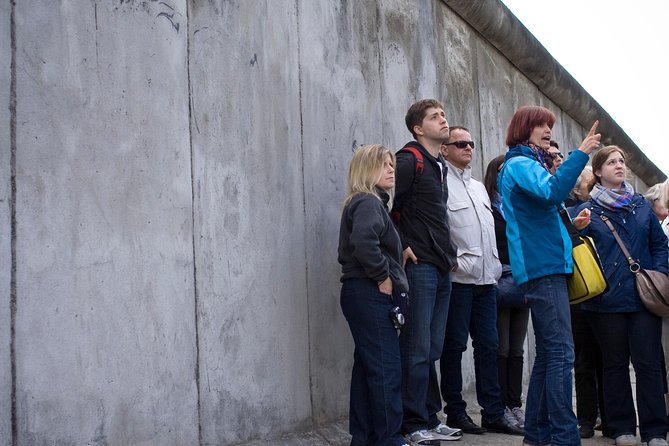
The Berlin Wall Memorial on Bernauer Strasse is the right place to begin. This area shows how brutally the Wall cut through a living neighborhood. Streets, apartment buildings, families, and escape plans were all affected by a barrier that appeared almost overnight.
A preserved section of the Wall gives you a physical sense of the border system. The Chapel of Reconciliation adds a quieter moment, inviting reflection on the people separated and harmed by the division.
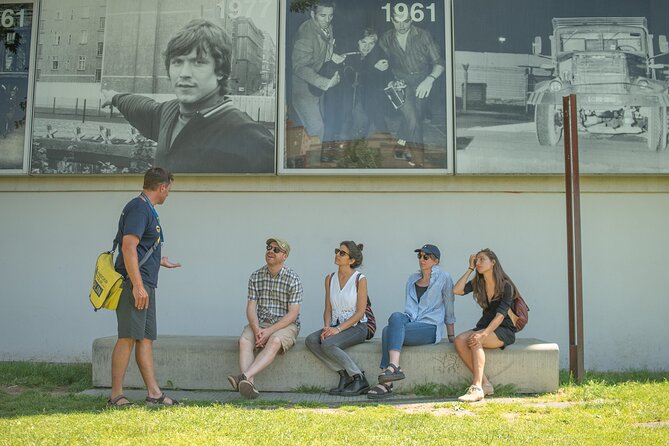
Your guide also covers escape attempts connected with Tunnel 57 and Tunnel 29. Tunnel 29 became famous in 1962 after helping 29 East Berliners reach the West. These stories are gripping because they show the courage and planning needed to flee. Escape was not a simple dash to freedom. It could involve secrecy, digging, money, trust, and the risk of prison or worse.
Allow the full 40 minutes here to absorb the setting. The stop is less about taking a fast photograph and more about understanding how the Wall changed daily life. If you want a serious introduction to the period, this is one of the strongest parts of the experience.
Tränenpalast and the cost of saying goodbye
At Friedrichstrasse, the Tränenpalast offers a different view of division. This former border crossing became known for the tearful farewells made there as people crossed between East and West Berlin.
The building’s importance comes from the small, painful scenes that took place inside. Families had to separate after visits. A border official could decide how long a farewell lasted. The crossing was part of ordinary life, but it carried the pressure of a political system built around restriction.
The museum also covers border controls and espionage. The site served as a place where people tried to move between East and West while avoiding suspicion. Your guide can connect the personal farewells with the larger intelligence struggle, showing how the same border affected families, spies, and escapees in very different ways.
This stop lasts about 20 minutes, so expect a concentrated visit rather than a long museum session. Admission is included in the experience, but the supplied details do not promise a separate extended museum tour. If you enjoy exhibits and want to read every panel, you may need to manage your time carefully.
East Side Gallery: art on the former Wall
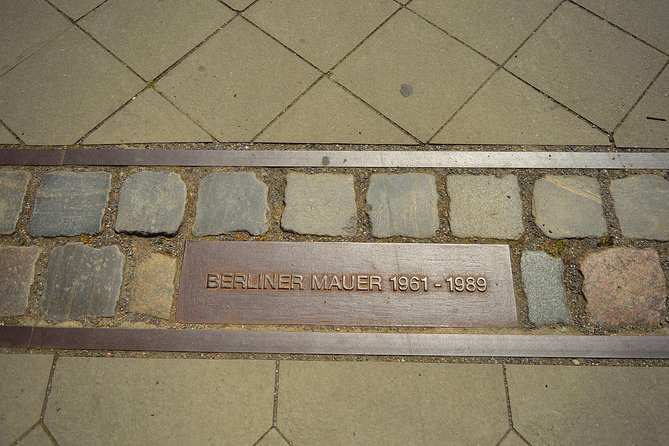
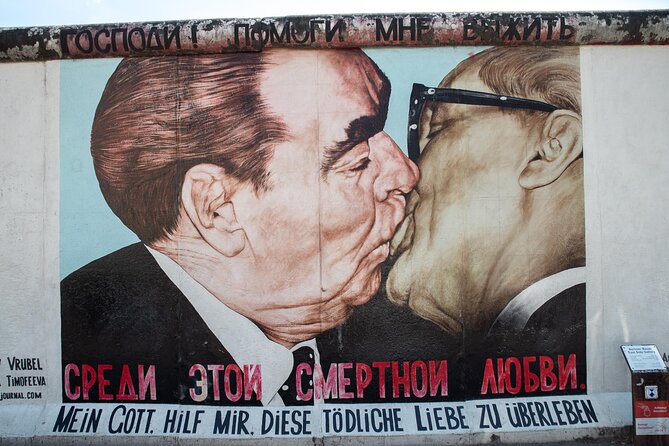
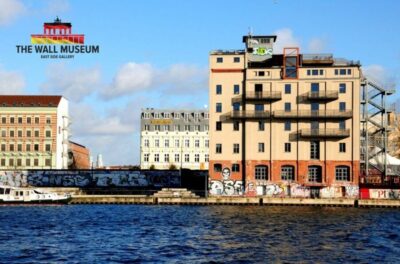
The East Side Gallery brings a change of mood. Here, a 1.3-kilometer section of the Wall carries murals painted by artists from around the world after its fall in 1989.
The art turns a barrier into a public statement about freedom, hope, and reunification. Your guide explains the meaning behind selected murals and places them in the period after the Wall came down. The point is not simply that Berlin has colorful paintings. It is that artists reclaimed a structure built to divide people.
I like this stop because it shows how Berlin continues to argue with its past. The Wall is no longer only a border object. It has become a place where people express political ideas, optimism, and memory.
The planned time is about 20 minutes. That is enough for an introduction and a walk along part of the gallery, but not for a close look at every painting. If murals are your main interest, you may want to return on your own later. The tour’s purpose here is to connect the artwork to reunification, not to provide a full art tour.
More Berlin Wall walks:
- Skip-the-Line: Berlin Wall Museum at Checkpoint Charlie
★ 4.1 · 2,041 reviews - Berlin: East Side Gallery Spree Cruise in a Solar Catamaran
★ 4.0 · 1,039 reviews - Cold War, Berlin Wall, Spies and the East Side Gallery
★ 5.0 · 1,024 reviews - Berlin: Guided Bike Tour of the Berlin Wall and Third Reich
★ 4.7 · 499 reviews
Stasi power inside the former headquarters
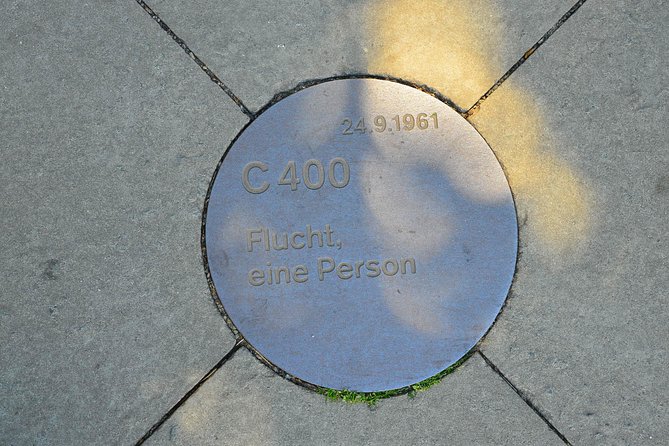
The Stasi Museum presents the Cold War from the viewpoint of state surveillance. In the former headquarters, you learn how East Germany’s secret police used informants, hidden cameras, wiretapping, and other methods to monitor people.
This is one of the more sobering stops. The Stasi did not rely only on dramatic spy gadgets. It also used ordinary citizens as informants, creating fear inside workplaces, apartment buildings, and even families. A neighbor, friend, or colleague might report a comment or suspicious activity.
The museum helps explain how control worked in practice. Interrogation and harassment could damage careers, relationships, and a person’s sense of safety. Your guide can tie these methods to the wider question of how an authoritarian state maintained power.
The planned visit is about 25 minutes. That is enough to understand the museum’s role, but the subject deserves more time than a quick pass if you want to inspect the exhibits closely. I would treat the guide’s explanation as the main benefit here and return later only if you want a longer museum visit.
Checkpoint Charlie and Cold War theater
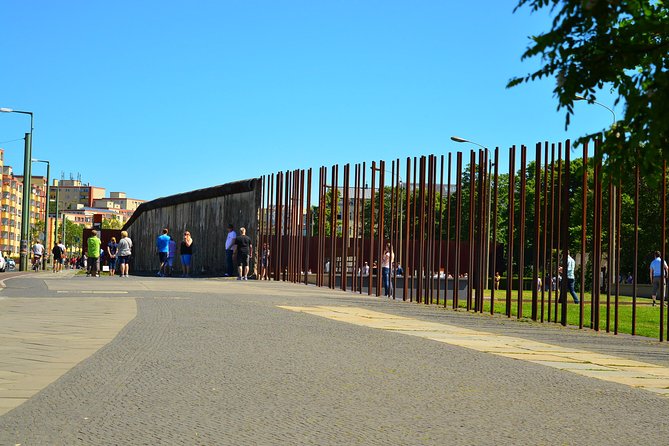
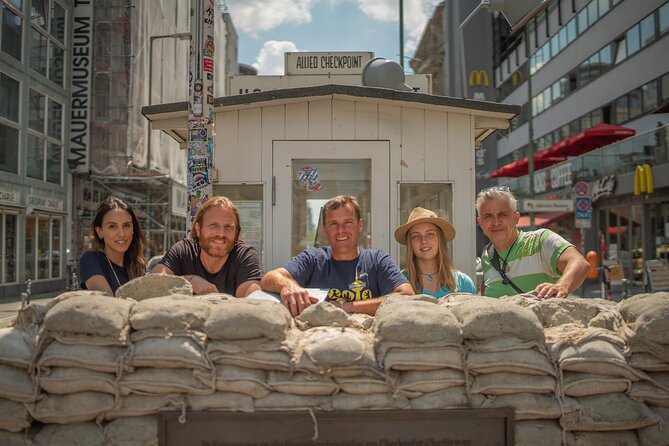
Checkpoint Charlie is one of Berlin’s most recognizable Cold War locations. It was a crossing between East and West Berlin and became a symbol of the wider conflict between the United States and Soviet Union.
The site is linked with the tense 1961 Berlin Crisis, when American and Soviet forces faced each other after the Wall went up. Your guide also covers escape attempts, spy exchanges, and other moments when this crossing carried more than routine border traffic.
Checkpoint Charlie can feel more polished and commercial than the Wall Memorial. That is worth knowing before you arrive. Its fame draws crowds and souvenir shops, and the modern setting does not always convey the seriousness of the original border. The guide’s context is therefore important. Without explanation, you might see a famous sign and a guardhouse but miss the danger and political pressure behind the location.
The tour allows about 15 minutes here. That is enough for an introduction and orientation, but not a lengthy visit to the museum associated with the site. Admission to the tour stops is listed as free, while food, drinks, and any separate purchases are not included.
Prenzlauer Berg and the former prisons
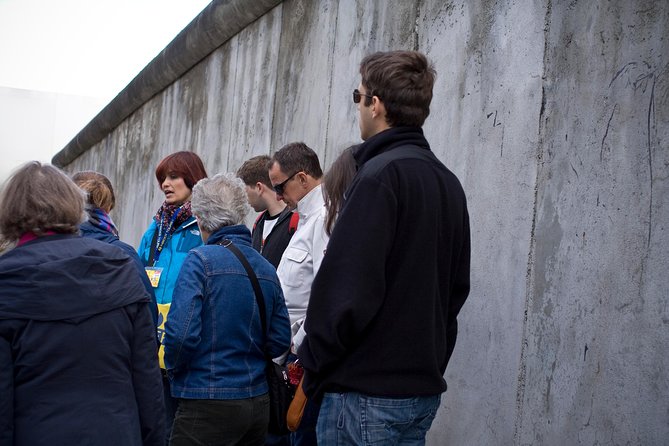
The Fröbelstrasse corner in Prenzlauer Berg offers a less familiar part of Berlin’s Cold War story. The site was first used by Soviet authorities after the Second World War as an NKVD prison. After the GDR was formed, the Stasi took over the prison.
Political prisoners, suspected spies, and people labeled enemies of the state were held there. The guide explains the harsh conditions and the role these prisons played in suppressing opposition.
This stop is valuable because it moves the story away from famous border crossings. You learn how repression worked behind closed doors, through detention and pressure rather than public confrontation. It also gives space to stories of resistance and personal courage.
Only about 15 minutes are scheduled here. The stop appears to be a historical explanation at the former prison site rather than a long interior museum visit. That makes it important to listen closely and ask questions if this part of the story interests you.
Alexanderplatz and the peaceful revolution
Alexanderplatz connects the Cold War to the final months of East Germany. On November 4, 1989, more than half a million East Berliners gathered there to demand change.
That protest helped show that public opposition was no longer confined to private conversations. The demonstration became one of the major moments leading toward the fall of the Berlin Wall.
Your guide also points out the Television Tower, or Fernsehturm, which served as a major symbol of East German power. The Red City Hall is another key reference point, tied to GDR leadership. The square was also connected with Stasi surveillance, making it both a place of official control and a setting for peaceful resistance.
I find this a fitting final stop because it shifts the story from fear to civic action. The Cold War did not end only through decisions made in distant capitals. Ordinary people gathered, spoke, and demanded change.
The scheduled time is around 15 minutes. Alexanderplatz is a large and active city square, so this part is mainly an outdoor explanation of the sites and events rather than an extended museum visit.
Timing, walking, and hotel pickup
The experience lasts roughly three to four hours and operates as a walking tour. That means comfortable shoes are essential. Berlin weather can change quickly, and the tour runs in all conditions, so bring suitable clothing rather than counting on a perfect forecast.
Hotel pickup and drop-off are included, which is a real convenience. You do not have to find the meeting point at the start or navigate back after several hours of historical sites. Still, the seven locations are spread across Berlin. The tour details confirm pickup and drop-off but do not explain the transport arrangements between every stop, so I would clarify that before booking.
The private setup is a good fit for families, couples, and small groups who want to ask questions or adjust the conversation. One guide accommodated physical limitations for a previous party, but the experience remains walking-heavy. If you have mobility concerns, share them at booking and ask how much walking is expected between locations.
The tour is offered in English. Confirmation is normally provided at booking, though reservations made within two days of the date may take up to 48 hours and depend on availability.
Who gets the best value from the $191.44 price?
The price makes the most sense when you use the guide’s time well. You are paying for a private experience, hotel transfers, and a connected explanation of several sites that can otherwise feel unrelated.
I would consider it good value for:
- A first-time Berlin visitor who wants a clear Cold War framework.
- A repeat visitor who has seen the major sights but wants more context.
- Families or small groups who prefer a private pace.
- People interested in espionage, escape stories, surveillance, and political change.
- Anyone who values storytelling and the chance to ask direct questions.
I would think twice if you mainly want museum time, because several stops last only 15 to 25 minutes. I would also compare the price with a regular group tour if your main goal is simply to see Checkpoint Charlie and the East Side Gallery.
The strongest value comes from the less obvious material: Tunnel 29, the former Soviet and Stasi prison, the emotional role of Tränenpalast, and the November 4 protest. Those details give the tour substance beyond the standard Wall photographs.
Should you book this Cold War Berlin experience?
Book it if you want Berlin’s Cold War story explained through people as well as places. The combination of escape tunnels, family separation, Stasi surveillance, prison, art, and peaceful protest creates a strong three-to-four-hour introduction.
I especially like the private format and the chance to have a guide such as Tina or Toni shape the history with personal, human detail. Just be ready for plenty of walking, limited time at some museums and sites, and a price that suits a small group better than a budget solo visit.
Cancel at least 24 hours before the start time for a full refund. If you want a focused, personal account of divided Berlin and can accept the cost, this is a worthwhile choice.
FAQ
How long does the private Cold War Berlin tour last?
The experience lasts approximately three to four hours.
Is hotel pickup included?
Yes. Hotel pickup and hotel drop-off are included.
Is the tour private?
Yes. Only your own group participates in the private activity.
What language is the tour offered in?
The tour is offered in English.
Does the tour include food and drinks?
No. Food and drinks are not included.
Is the tour suitable for people with physical limitations?
Most people can participate, but it is a walking tour. One guide accommodated physical limitations for a previous party, so you should discuss your needs when booking.
Can I cancel for a full refund?
Yes. You can receive a full refund if you cancel at least 24 hours before the experience start time. Cancellations or changes made less than 24 hours before the start time are not accepted for a refund.
Just added around Berlin
- Berlin: Private Guided Tour of the Main Sights★ 5.0 · 13 reviews
- Private Highlights of Berlin Bike Tour★ 5.0 · 13 reviews
- Modern Berlin Private Walking Tour: Diverse, Vibrant and Exciting German Capital★ 5.0 · 13 reviews
- Tour in Berlin from Warnemünde and Rostock Cruise Port★ 4.1 · 13 reviews
- Berlin: Stasi Museum Private Guided Tour with Entry Ticket★ 4.8 · 13 reviews
- Private Food Tour Experience with a born and bred Berliner★ 5.0 · 14 reviews
- Berlin: Rheinsberg Palace Entrance Ticket★ 4.8 · 14 reviews
- Berlin in one day – day tour with an expert guide★ 5.0 · 14 reviews
Berlin Wall Tours, compared.
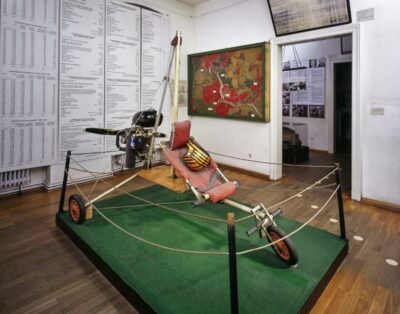
Skip-the-Line: Berlin Wall Museum at Checkpoint Charlie
Read our review →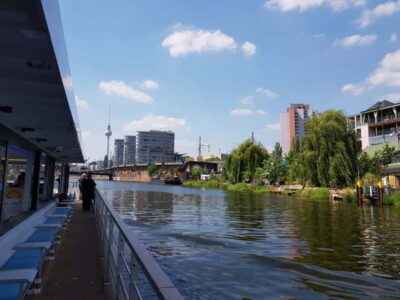
East Side Gallery Spree Cruise in a Solar Catamaran
Read our review →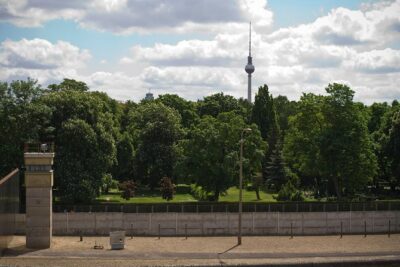
Cold War, Berlin Wall, Spies and the East Side Gallery
Read our review →
Guided Bike Tour of the Berlin Wall and Third Reich
Read our review →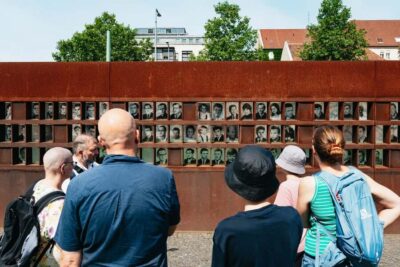
Cold War, Berlin Wall, Spies and the East Side Gallery
Read our review →Browse the lists this tour appears in