
Reviewed · MUNSTER TOURS
Münster: Private Guided Sculptures Tour on a Rickshaw
Art changes the way you see Münster. This 90-minute private rickshaw tour links the city’s public sculptures with its past, giving you an easy way to reach works scattered through streets, parks, and courtyards. You ride from the historic City Hall with a local guide, stopping to look at pieces by Donald Judd, Claes Oldenburg, Rosemarie Trockel, Martha Rosler, and other major artists.
I especially like the private format, which gives your group room to ask questions, and the fact that the rickshaw lets you cover more ground without turning the outing into a long walking lecture. I also like the clear connection to Münster’s Sculpture Projects, held every 10 years since 1977. The main consideration is time: 90 minutes passes quickly, and one guide described the rickshaw ride itself as enjoyable enough to deserve more time.
In This Review
- Key points to know before booking
- Starting at City Hall, where Münster’s story begins
- Why the Sculpture Projects matter
- Riding between parks, streets, and courtyards
- Meeting Donald Judd, Claes Oldenburg, and other major artists
- A guide who makes difficult art easier to approach
- Why the rickshaw works well for families and mixed-age groups
- What $58 per person gets you
- How to prepare for the 90-minute ride
- Who should book this Münster art tour?
- Should you book the Münster rickshaw sculpture tour?
- FAQ
- Where does the Münster rickshaw sculpture tour begin?
- How long does the tour last?
- What languages are available?
- Is this a private tour?
- What artists’ work can I see?
- What should I bring?
Key points to know before booking
- The tour begins at Münster’s historic City Hall, where your guide waits beside the rickshaw.
- You see public art in its real setting, including works in streets, parks, and courtyards rather than only inside a museum.
- The Sculpture Projects began in 1977 and return every 10 years, with selected works remaining in Münster afterward.
- The private group format suits families and curious small groups, especially if you want to ask about difficult or unusual works.
- Guiding is available in English or German, and guides such as Barbara and Beate have been praised for warmth and clear explanations.
- The $58 per-person price buys a focused art and city introduction, rather than a basic sightseeing ride.
Starting at City Hall, where Münster’s story begins
Your meeting point is in front of the Old City Hall, with the guide standing next to the rickshaw. That is a useful starting place because you do not need to search through a large museum complex or decode an unfamiliar meeting point. You can identify the vehicle and guide at once.
The City Hall also gives the tour a proper sense of place. Your guide begins with its history before turning toward the sculptures, so the experience is not just a string of art stops. You get an introduction to Münster as a historic city and then see how modern public art has been added to that older setting.
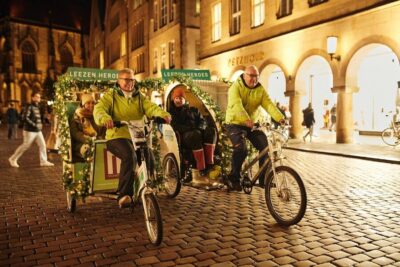
A rickshaw is a practical choice here. You can sit while the guide handles the movement through town, and you can look around as you go. It is also a gentler option for anyone who would rather not spend 90 minutes walking between artworks.
Still, this is a moving city tour, not a full City Hall visit. The information provided promises an introduction from outside and a ride through Münster, not an interior tour or extended architectural visit. If you want detailed medieval history, you should treat that part as a short opening chapter.
A few more tours and experiences worth a look
- Münster: Private Guided Rickshaw City Tour
★ 4.8 · 143 reviews - Private Christmas Tour in Münster including Glühwein
★ 4.9 · 54 reviews - Private crime city tour by rickshaw including guide
★ 5.0 · 21 reviews
Why the Sculpture Projects matter
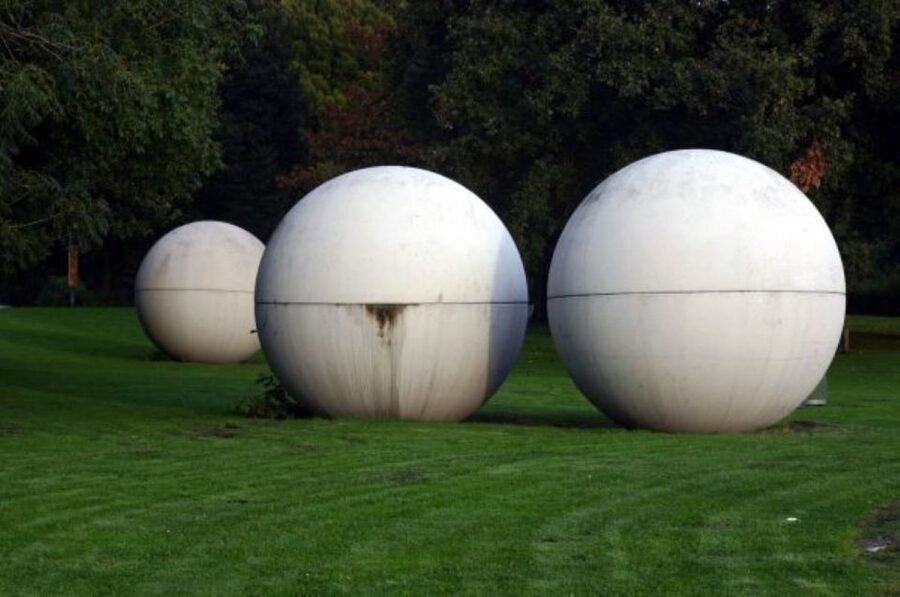
The key to understanding this tour is the long-running Münster Sculpture Projects. They began in 1977 and take place once every 10 years. After each event, some sculptures remain in the city, creating an outdoor collection that changes Münster’s streets long after the official project has ended.
That pattern gives the artworks an unusual role. They are not simply temporary decorations placed in a gallery district. They become part of daily city life, surrounded by traffic, buildings, parks, and ordinary routines. A sculpture can look different when you encounter it on a street corner than it would under museum lighting.
Your guide helps explain that change. You learn not only who made each work, but also how it relates to the city and why public art can affect the way people use a place. This context is valuable because many contemporary sculptures are not immediately easy to read. Some may look plain, oversized, strange, or even misplaced until you understand the idea behind them.
The 10-year schedule is also worth remembering. The project is not a one-season event that disappears after a summer. Its long cycle helps explain why Münster has such a strong connection to modern sculpture and why older works continue to shape the city.
Riding between parks, streets, and courtyards
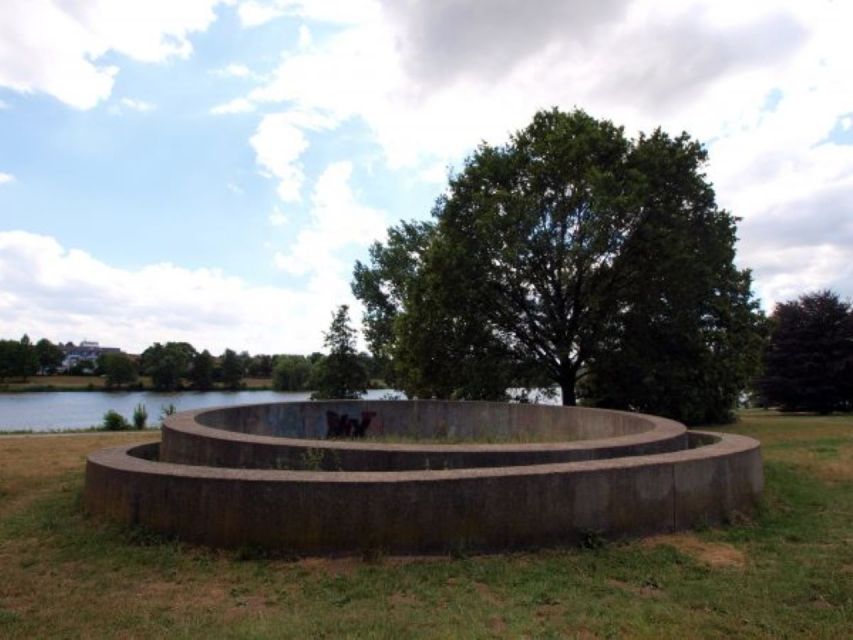
The route takes you through several types of urban spaces. You may see sculptures in open parks, along streets, and inside courtyards. That variety is one of the best reasons to choose the rickshaw rather than seek out the artworks alone on foot.
The vehicle lets you move from one setting to another while your guide keeps the story connected. You are not left with a map and a list of names. Instead, the city becomes the route, and the artworks appear in places where you might otherwise pass them without noticing.
This format also gives you a different view of Münster itself. The ride is part sightseeing, part art lesson. You may find that the spaces between stops are almost as useful as the stops themselves, since the guide can point out how a sculpture changes the feeling of a street or interacts with nearby buildings.
There is a tradeoff. A rickshaw is slower and more limited than a car, while a 90-minute tour cannot cover every project work in Münster. The experience is best understood as a carefully selected introduction, not a complete catalogue of the city’s sculpture collection.
Meeting Donald Judd, Claes Oldenburg, and other major artists
The tour includes works connected with a wide range of artists. Donald Judd and Claes Oldenburg offer two very different ways to think about form, size, and public space. Their presence gives the route some of the best-known names in modern art.
You also see work by Bruce Naumann, Rosemarie Trockel, Jorge Pado, Per Kirkeby, Ilya Kabakov, Thomas Schütte, Martha Rosler, and Daniel Buren. That list covers varied approaches, from spare geometric forms to works with stronger political, architectural, or conceptual concerns.
The value is not simply ticking off famous names. Your guide explains the meaning and city context behind the pieces, which can help you make sense of artworks that might otherwise seem disconnected. You can ask why a work was placed in a particular location, what it was meant to do, and how it relates to Münster’s public spaces.
A private tour is especially useful here. If one artwork catches your attention, you can ask for more explanation instead of waiting for a large group to move on. If a piece does not appeal to you, you can say so and hear another way of looking at it. That exchange can make contemporary art feel less formal and more approachable.
The exact order of the works is not provided, so you should not expect a fixed stop-by-stop script. The route may also depend on the guide, traffic, and the practical needs of the rickshaw.
Something different for another day:
- Münster: Old Town Highlights Guided Tour
★ 4.7 · 286 reviews - Münster: Nachtwächter-Führung (Erlebnistour)
★ 4.4 · 213 reviews - Münster: Night watchman tour through the picturesque old town by lantern light
★ 4.8 · 65 reviews - Münster: Beer Tasting Rickshaw Tour
★ 4.7 · 56 reviews
A guide who makes difficult art easier to approach
The guide matters greatly on a sculpture tour. A weak explanation can turn public art into a parade of names. A good one gives you enough history, artistic background, and local detail to make each stop worth your time.
The strongest praise for this experience centers on the guides’ friendly manner and background knowledge. Barbara has been singled out for explaining both the sculptures and their meaning for Münster’s cityscape, including the historical setting behind some works. Beate has also been warmly praised for her personality and the way she handled the subjects and locations.
That matters because the tour deals with art that may not offer an instant visual answer. You will likely get more from it if you enjoy asking why a work exists, how people react to it, and what changes when art is placed outdoors rather than in a gallery.
The guides are also described as sympathetic, competent, and informative. Families have found the presentation engaging, with children responding well to the combination of riding and looking. That makes this a more flexible choice than a formal museum talk, especially if your group includes people with different levels of interest in art.
The one limit is that the quality of a private experience depends heavily on the individual guide assigned to your date. The available feedback is very positive, but you should still think of the tour as a conversation-led introduction, not an academic seminar.
Why the rickshaw works well for families and mixed-age groups

A city ride can make an art tour easier for a family. Children get the novelty of the rickshaw, while adults get a guided route through works they might otherwise miss. The moving format breaks the experience into shorter stretches, which can be easier than standing in one gallery for 90 minutes.
A private group also gives you more control over the pace. If your children have a question, they can ask it. If a sculpture needs extra explanation, your group does not have to worry about holding up a large party.
The ride can also help if someone in your group finds extended walking tiring. You should still wear weather-appropriate clothing, since the tour takes place outdoors. Rain, wind, or cool temperatures will affect your comfort, and there is no suggestion that the route moves indoors when conditions change.
For adults, the main benefit is efficient orientation. In an hour and a half, you get an introduction to Münster’s art project and a feel for several parts of the city. You can then decide which works deserve a closer look later on foot.
What $58 per person gets you
At $58 per person, this is not the cheapest way to move around Münster. You are paying for a private rickshaw, a live guide, and a specialized focus on public sculpture rather than a general sightseeing circuit.
The value is strongest for a small group that wants personal attention. If you split the cost among several people, the private format becomes easier to justify, especially when you consider the guide’s role in explaining works by more than a dozen artists. You are also paying for a route that brings together locations you might struggle to connect on your own.
For a solo visitor or couple on a tight budget, the price may feel high for 90 minutes. A self-guided walk would cost less, but it would not provide the same background, transport between sites, or chance to ask questions. The tour earns its price when you care about the meaning and placement of the sculptures, not just seeing them quickly.
The booking terms add useful flexibility. You can reserve now and pay later, and cancellation is free up to 24 hours before the tour for a full refund. Starting times vary, so you need to check availability for your chosen date.
How to prepare for the 90-minute ride
Keep your preparation simple. Wear clothing suited to the weather, since the experience takes place outside and includes riding through the city. Comfortable clothes will also help you settle in for the full 90 minutes.
Meet in front of City Hall and look for the guide beside the rickshaw. The meeting point is central and specific, so you should not need to wander around looking for a tour office.
Think about what you want from the experience before you arrive. If you are new to modern sculpture, ask your guide to explain the basic ideas behind the Münster Sculpture Projects. If you already know some of the artists, ask how their work fits the city and why particular locations were selected.
You should also allow time after the tour if one or two pieces interest you. The ride gives you an overview, but the 90-minute schedule is not designed for long, quiet study at every stop. A later walk can turn a quick introduction into a fuller visit.
Who should book this Münster art tour?
I would recommend this experience to first-time visitors who want a city orientation with a clear theme. It is also a good fit for art lovers who prefer public spaces to galleries, families seeking an activity with movement, and couples who want a private outing rather than a standard group walk.
You will probably get the most from it if you enjoy explanation and conversation. The sculptures are the focus, but the guide also adds local history and points out how the works relate to Münster’s streets and public life.
I would be more cautious if you want a long museum-style examination of each piece, a full inventory of the Sculpture Projects, or a purely historical tour of Münster. The route introduces many artists, but 90 minutes means the treatment of each work must remain fairly focused.
Should you book the Münster rickshaw sculpture tour?
Book it if you want an efficient, personal introduction to Münster’s outdoor art and like the idea of seeing the city from a rickshaw. The private group, English or German guiding, family-friendly format, and strong praise for guides such as Barbara and Beate make it a particularly appealing choice for visitors who want clear explanations without a stiff lecture.
The $58 price is fair when several people share the private booking and you value the guide’s interpretation. It is less compelling if you only want a ride or if your priority is spending a long time at a small number of sculptures.
For most curious visitors, this is a smart first look at Münster’s Sculpture Projects. Just dress for the weather, keep your expectations focused on an overview, and save time afterward to revisit the work that catches your eye.
FAQ
Where does the Münster rickshaw sculpture tour begin?
The tour begins in front of the Old City Hall. Your guide will be standing next to the rickshaw.
How long does the tour last?
The tour lasts 90 minutes.
What languages are available?
Live guiding is available in German and English.
Is this a private tour?
Yes. The experience is offered for a private group.
What artists’ work can I see?
The route includes works by artists such as Donald Judd, Jorge Pado, Claes Oldenburg, Bruce Naumann, Rosemarie Trockel, Martha Rosler, Per Kirkeby, Ilya Kabakov, Thomas Schütte, and Daniel Buren.
What should I bring?
Bring weather-appropriate clothing because the tour takes place outdoors.
Just added around Munster
- Münster Escape Tour Kreuzviertel★ 4.2 · 8 reviews
- Münster: Private pub crawl with insider guide & free shots★ 4.6 · 11 reviews
- Münster Old Town: Outdoor Escape Game★ 4.1 · 14 reviews
- Münster Private Guided Walking Tour★ 4.5 · 18 reviews
- Private crime city tour by rickshaw including guide★ 5.0 · 21 reviews
- Münster Unpacked Tour : Rickshaw City Tour with Guide★ 5.0 · 28 reviews
- Münster: Old Town Crime Mystery Tour★ 4.0 · 35 reviews
- Münster: Old Town Historical Walking Tour by “Geo Epoche”★ 4.7 · 51 reviews
Munster Tours, compared.
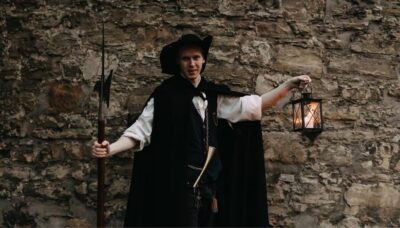

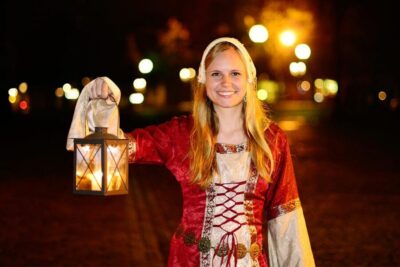
Night watchman tour through the picturesque old town by lantern light
Read our review →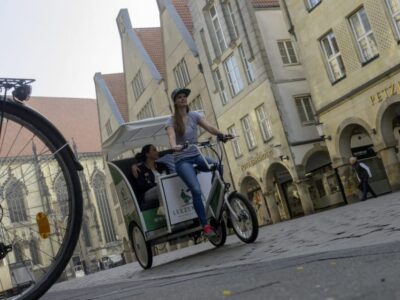
Private Christmas Tour in Münster including Glühwein
Read our review →
Old Town Historical Walking Tour by “Geo Epoche”
Read our review →
Browse the lists this tour appears in