
Reviewed · OLD TOWN WALKS
Munich: Old Town Culinary Tour
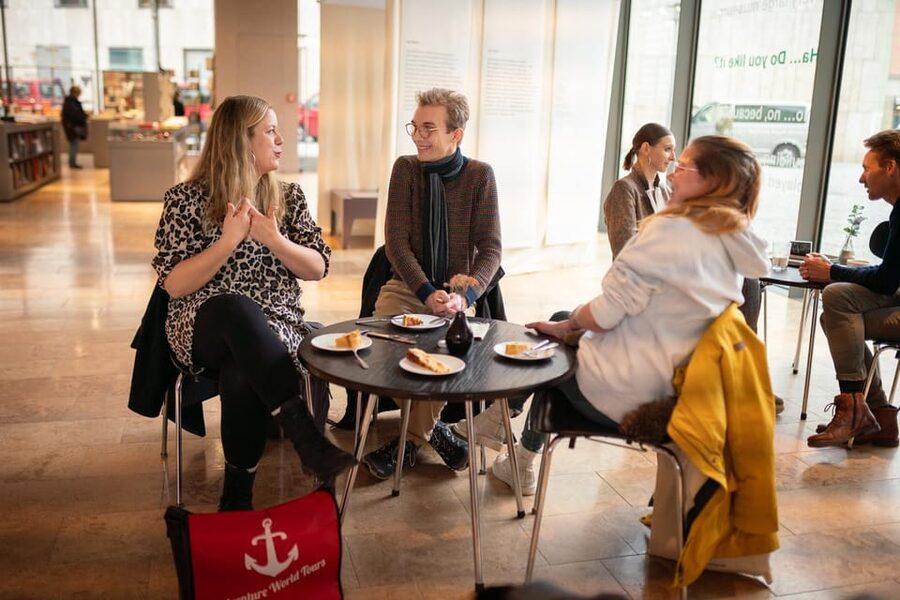
Food tells Munich’s story. This three-hour walk pairs five tastings with Old Town sights, from Marienplatz and St. Peter’s Church to Viktualienmarkt and the Jewish Center. I like the mix of familiar Bavarian bites, sweet treats, spices, and Italian specialties. I also like that guide Eddi, sometimes listed as Eddy, adds local stories and useful advice for the rest of your stay.
The main consideration is that the food is served in small portions, and drinks are not included. One chocolate stop also led to temptingly expensive products, while one participant would have preferred pretzel with Obatzter. Still, at $51 per person, the tour offers a useful introduction to Munich’s food and center without asking you to plan every stop yourself.
In This Review
- Five tastes and five useful reasons to go
- Starting below Munich’s famous Glockenspiel
- St. Peter’s Church and the old city center
- Jewish Center stories and a stop for spices
- Leberkäse, pastries, and international flavors
- Viktualienmarkt brings the flavors together
- The final stop near Dreifaltigkeitsplatz
- What the guide adds to the experience
- Is $51 a fair price?
- Who will enjoy this Munich food walk?
- FAQ
- How long is the Munich Old Town Culinary Tour?
- How much does the tour cost?
- Where does the tour begin?
- Where does the tour finish?
- How many tastings are included?
- Are drinks included?
- Is a seat guaranteed at the tasting stops?
- Which sights are included along the route?
- What language is the live tour conducted in?
- Can I cancel the booking for a refund?
- Should you book it?
Five tastes and five useful reasons to go
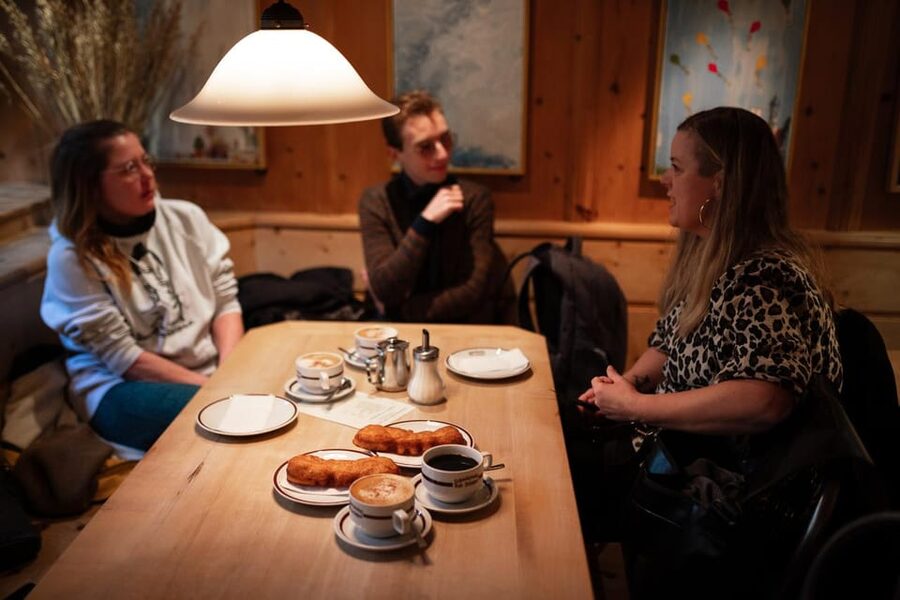
- Leberkäse, pastries, spices, chocolate, and more: The stops cover both savory Bavarian food and sweet or international flavors.
- Marienplatz as your starting point: You begin below the Glockenspiel Tower, right in Munich’s historic center.
- Eddi’s relaxed guiding: His humor, stories, and practical tips help turn a food walk into a city orientation.
- A compact Old Town route: The walk links major sights with cafés, delicatessens, market stalls, and restaurants.
- Small-group potential: Recent bookings included a group of two, where the tour felt especially personal and seating was easy to find.
- German-language guidance: The live tour is conducted in German, with some content shown in its original language.
Starting below Munich’s famous Glockenspiel
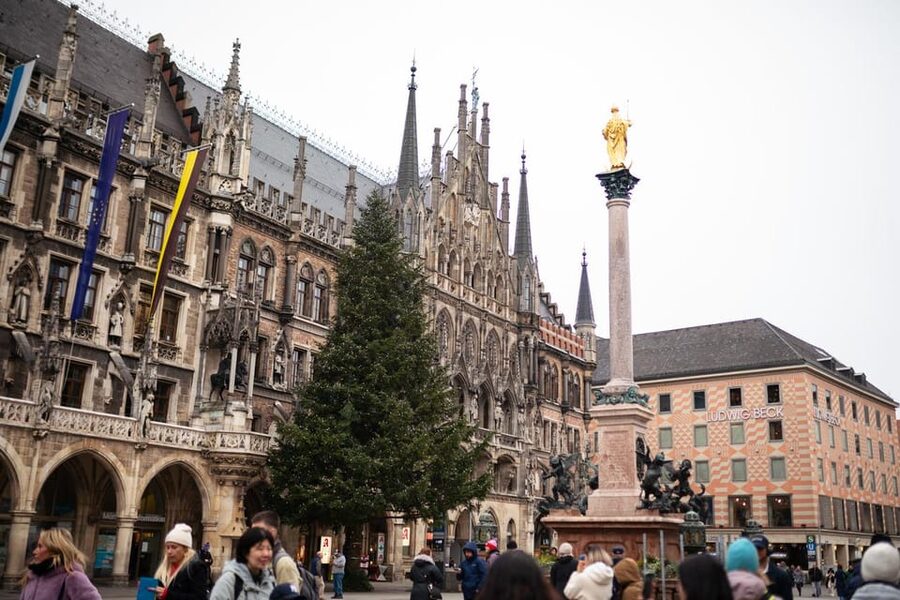
Meet at Marienplatz 8, at the entrance to the Glockenspielturm. This is a sensible place to begin because Munich’s central square gives you an immediate sense of the city’s scale, drama, and steady movement.
The tour starts at the Rathaus-Glockenspiel, then moves to Rosenstraße 7. Here you get the first guided sightseeing segment and a food tasting, with about 15 minutes set aside. That opening stop matters because it gets you eating early rather than making you wait through a long lecture.
From there, the route reaches the Mariensäule, the column in the middle of Marienplatz. You have around 25 minutes for a photo stop, sightseeing, and stories. This is one of the best places to listen carefully, since the square brings together the New Town Hall, the old center, and several layers of Munich’s public life.
I like this early balance. You are not simply being marched from restaurant to restaurant. The food gives the walk a purpose, while the landmarks help explain why this part of Munich matters.
More Old Town Walks in Munich
- Munich: Old Town & Viktualienmarkt City Walk in German
★ 4.7 · 2,304 reviews - Munich Old Town Walking Tour
★ 4.5 · 1,287 reviews - Munich: Spooky Tour of Old Town in German
★ 4.6 · 1,112 reviews
St. Peter’s Church and the old city center
The next major stop is St. Peter’s Church, known locally as Alter Peter. The tour allows about 20 minutes for a photo stop, sightseeing, and guiding. The church is one of the Old Town’s visual anchors, and its presence helps you understand how closely Munich’s religious buildings sit beside its markets and shopping streets.
The tour does not promise an interior visit or a climb, so you should think of this as an exterior sightseeing stop with historical commentary. That is useful if you want context while walking, but it is not a substitute for a dedicated church visit.
After St. Peter’s, the group continues to Prälat-Zistl-Straße 10. This stop combines sightseeing with another tasting and takes around 20 minutes. You may sit down at some points on the route, which is welcome during a three-hour walk. One recent participant specifically appreciated having a seat at the food stops, especially with a small group.
The exact food served can vary by location and current arrangements. The experience is built around five selected tastings rather than one fixed restaurant meal. That means you should expect samples and short visits, not a full lunch with a reserved table.
Jewish Center stories and a stop for spices
The route then passes the Jüdisches Zentrum München, or Jewish Center Munich. You get about 20 minutes for a photo stop, guided sightseeing, and a short walk. This adds an important part of Munich’s present-day identity to a tour that could otherwise focus only on old buildings and traditional dishes.
The food story here is not limited to pretzels and sausages. Munich’s culinary life also reflects changing communities, international trade, and family businesses. The Jewish Center stop helps widen the frame, even though the supplied details do not promise a special food tasting at this location.
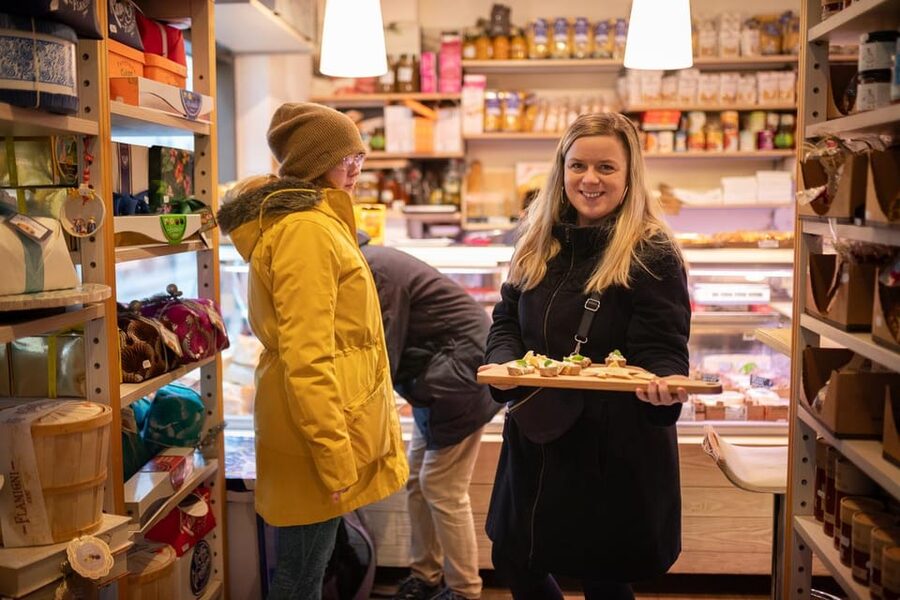
Next comes Gewürze der Welt, a world-spice shop or tasting stop, with about 20 minutes for sightseeing and food. This was one of the more distinctive parts of the experience. A spice tasting gives you something different from the expected Bavarian plate and helps explain how seasoning shapes the food people remember.
The guide is also meant to talk about the origins of Bavarian food culture. That includes the familiar foods many people associate with Munich, such as Weisswurst, pretzels, and Leberkäse, as well as sweet specialties such as Striezel and Knieküchle. You may not receive every one of these items during the tour, so treat them as part of the cultural discussion rather than a guaranteed tasting list.
Leberkäse, pastries, and international flavors

A further food stop is listed at Behindertenparkplatz, with roughly 20 minutes for guiding, sightseeing, and tasting. The supplied information does not identify the exact business or dish at this point, so I would not book expecting a named restaurant or a particular recipe there.
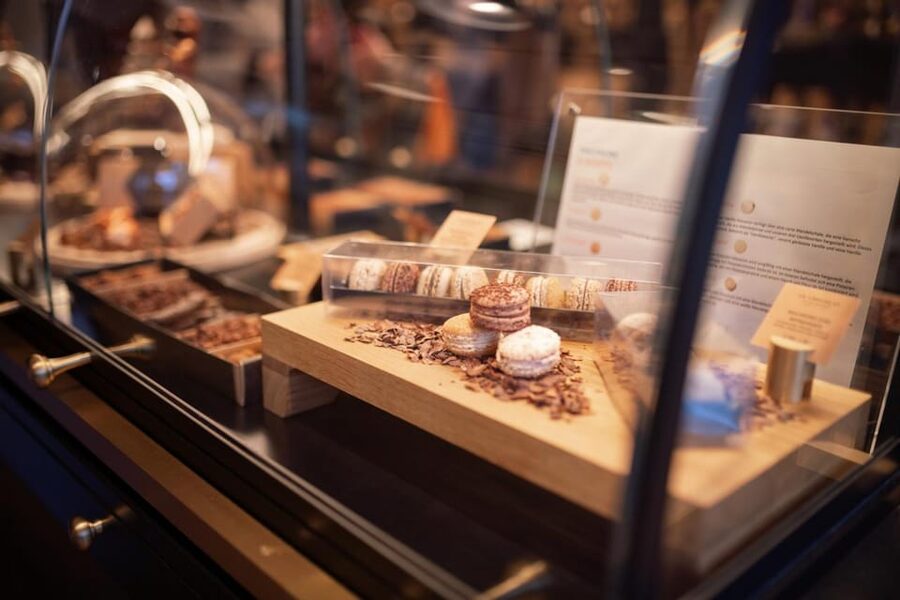
What you can expect is a short stop within the larger food route. Recent food details include Leberkäse, Schmalzgebäck, a spice tasting, Italian specialties, and a chocolate praline. That is a broader selection than a simple Bavarian sausage crawl, and it gives the tour some variety.
Leberkäse is a good example of why a guide can help. The name can confuse people who expect cheese, but the dish is a baked meat loaf with no cheese in the usual preparation. The tour’s food stories are designed to explain these sorts of quirks, along with the customs and origins behind Bavarian favorites.
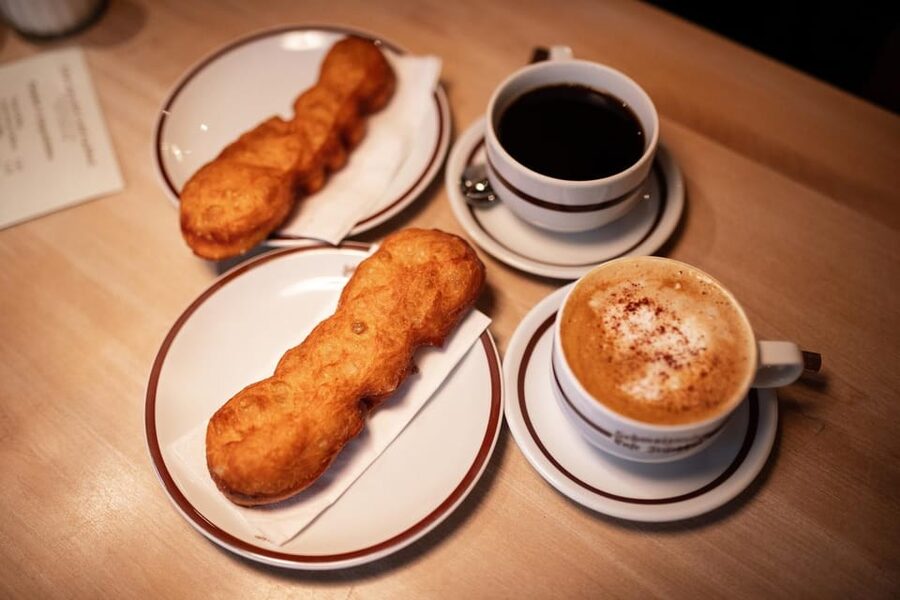
The sweet stop may be Schmalzgebäck or another pastry. Striezel and Knieküchle are also part of the wider food culture discussed on the walk. These names are worth noting because Munich’s traditional cooking is not only heavy, salty, and meat based. Fried pastries and other sweets bring a lighter, more playful side to the story.
Something different for another day:
- From Munich: Neuschwanstein & Linderhof Castle Full-Day Trip
★ 4.5 · 12,494 reviews - Neuschwanstein & Linderhof Castle-Fairytale Day Tour from Munich
★ 4.5 · 7,275 reviews - Munich: Third Reich & WWII Walking Tour
★ 4.6 · 6,181 reviews - Dachau Concentration Camp Memorial Site Tour from Munich by Train
★ 4.5 · 5,637 reviews
Viktualienmarkt brings the flavors together
The largest food-focused stop comes at Viktualienmarkt, with around 25 minutes for guiding, sightseeing, and tasting. This is one of the most useful parts of the route for anyone trying to decide where to eat later.
A market offers more choice than a single restaurant. You can see how Munich presents local food, imported ingredients, sweets, spices, and prepared specialties in one compact area. The guide’s role here is especially practical: point out what deserves your attention, explain what you are seeing, and help you avoid wandering past good options without knowing it.
One participant felt that a piece of pretzel with Obatzter would have suited this stop better than the chocolate station. That is a fair point. Obatzter, a creamy cheese spread often served with bread or pretzels, is a classic Bavarian combination, and it would connect directly with the market setting.
Still, the chocolate praline gives the tour a change of pace. It also shows that Munich’s food identity is not locked inside old-fashioned dishes. The drawback is that the chocolate shop’s prices were considered high enough to discourage extra purchases. You can enjoy the sample without feeling obliged to buy more.
The final stop near Dreifaltigkeitsplatz
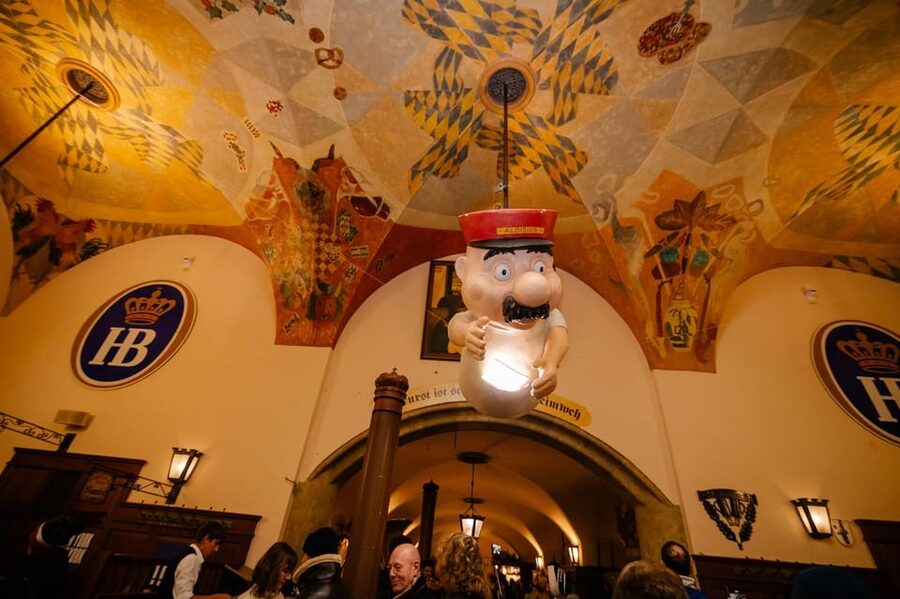
The tour finishes near Dreifaltigkeitsplatz 1A, after another 30-minute segment with sightseeing and a food tasting. The route ends at Dreifaltigkeitspl. 1, 80331 Munich, keeping you within the historic center rather than sending you out toward a transit station or distant neighborhood.
This final section gives the walk a calm finish. You can have another taste, hear the last stories, and remain close to the sights you may want to revisit on your own. If you are planning a first afternoon in Munich, that location is useful because you can continue exploring nearby afterward.
The route includes Marienplatz, Frauenkirche, St. Peter’s, Viktualienmarkt, the Jewish Center, and Dreifaltigkeitsplatz. You may not spend equal time at each landmark. The purpose is to connect the sights into a food-centered walk, not to provide full guided visits to every church, square, or memorial.
That distinction helps set your expectations. If you want detailed museum-style history at each stop, choose a dedicated city tour. If you want a friendly introduction with something to eat every so often, this format makes more sense.
What the guide adds to the experience
The strongest praise centers on the guide. Eddi is described as relaxed, humorous, attentive, and full of local information. One small party found the tour especially personal because only two people attended, while another group appreciated his help with planning the rest of a Munich stay.
That extra advice can be worth more than it sounds. A good three-hour tour should not end when the final tasting is over. If Eddi helps you understand which sights deserve more time, where to return for food, or how to shape the rest of your visit, the walk becomes a practical first-day tool.
His storytelling also seems to be a major part of the appeal. The tour promises legends, myths, funny anecdotes, and stories about Munich’s food origins. This gives the route a human feel and keeps the history from becoming a string of dates and building names.
The language is German. That is an important factor, not a minor footnote. If you are comfortable following German conversation, the tour may be a strong fit. If you need an English-language experience, this is not the right choice based on the supplied details.
Is $51 a fair price?
At $51, you are paying for three hours of guiding, five tastings, and a walking introduction to Munich’s central sights. The value depends on how you use it.
The food alone is not meant to equal a full meal. You receive samples at selected stops, not drinks, dessert portions, or a guaranteed restaurant seat. You may still want another meal afterward, especially if you arrive hungry.
The price makes more sense if you would otherwise book a separate city walk and spend time guessing where to sample local food. You are paying for direction, context, and the chance to reach places you might pass without noticing. The small group experience can also feel more personal, though no fixed group size is stated.
The lack of a guaranteed seat is worth remembering. Some participants found seating at the food stops, but you should not treat that as promised. Wear comfortable shoes, pace yourself, and expect to be on foot for most of the three hours.
Free cancellation up to 24 hours before the start and a reserve-now, pay-later option add useful flexibility. Starting times depend on availability. Those terms are helpful if your Munich plans are still moving around.
Who will enjoy this Munich food walk?
I would recommend it most strongly to first-time visitors who want a quick sense of Munich’s center and food culture. It also suits people who prefer small tastings to one long meal, and anyone who likes hearing local stories while walking between stops.
It can work well early in a stay. You will see several central landmarks, learn the names of Bavarian foods, and finish with ideas for where to return. A person who already knows Munich may still find new details, especially if the guide’s stories and food choices go beyond the usual highlights.
I would be more cautious if you want a large meal, guaranteed seating, free drinks, or an English-language tour. I would also check your appetite expectations. Five tastings can be satisfying, but they are not necessarily enough to replace lunch or dinner.
FAQ
How long is the Munich Old Town Culinary Tour?
The walking tour lasts three hours.
How much does the tour cost?
The listed price is $51 per person.
Where does the tour begin?
The meeting point is Marienplatz 8, 80331 Munich, at the entrance to the Glockenspielturm below the Rathaus-Glockenspiel.
Where does the tour finish?
The tour finishes at Dreifaltigkeitspl. 1, 80331 Munich, Germany.
How many tastings are included?
Five different tastings at selected culinary stops in Munich’s Old Town are included.
Are drinks included?
No. Drinks are not included in the tour price.
Is a seat guaranteed at the tasting stops?
No. A guaranteed seat is not included, although seating was available for some small groups during the tastings.
Which sights are included along the route?
The route includes Marienplatz, the Mariensäule, St. Peter’s Church, the Jewish Center Munich, Viktualienmarkt, the Frauenkirche area, and Dreifaltigkeitsplatz.
What language is the live tour conducted in?
The live tour guide language is German. Some content is shown in its original language.
Can I cancel the booking for a refund?
Yes. You can cancel up to 24 hours in advance for a full refund.
Should you book it?
Book this tour if you want Munich history with a bite-sized food tour, especially in German. The mix of Leberkäse, pastries, spices, chocolate, and international flavors gives you more range than a standard Bavarian-food outing, while Eddi’s stories appear to be the main reason the experience feels personal rather than routine.
Skip it if you need English commentary, a full meal, or a guaranteed table. For the right audience, though, $51 is a fair price for three hours of guided walking, five tastings, and a useful first look at Munich’s Old Town.
Just added around Munich
- Munich WWII and Dachau Concentration Camp Private Tour with Licensed Guide★ 5.0 · 3 reviews
- Munich Photoshoot: A Must-Have Holiday Experience!★ 5.0 · 3 reviews
- München: Braukurs mit Führung und Verkostung★ 4.2 · 4 reviews
- Mozart and German Composers Private Tour in Munich★ 4.8 · 4 reviews
- CITY QUEST Munich: reveal the secrets of this city!★ 4.0 · 4 reviews
- Private audio book city rally in Munich city centre★ 4.0 · 4 reviews
- Culinary Haidhausen – The Food Tour★ 4.3 · 4 reviews
- Private Munich History and Beer Culture Walking Tour★ 5.0 · 4 reviews
Old Town Walks, compared.
Old Town & Viktualienmarkt City Walk in German
Read our review →
The Night Watchman Old Town Walking Tour in German
Read our review →
Browse the lists this tour appears in