
Reviewed · OLD TOWN WALKS
München: Stadtführung Henker, Huren, Hexen in GERMAN
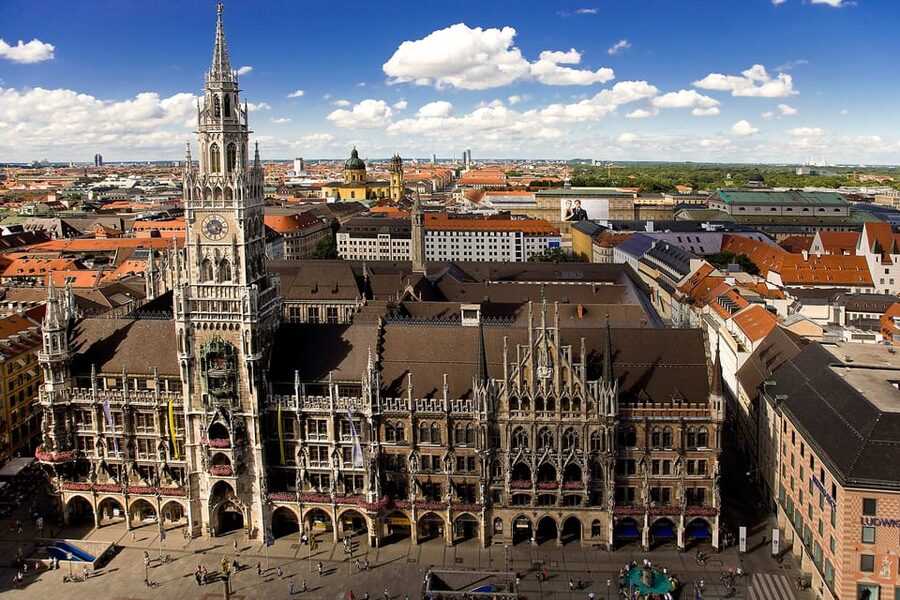
Dark stories make old cities more memorable. This two-hour Munich walking tour connects executioners, prostitutes, witch hunts, torture, and public punishment with familiar sights such as St. Michael’s Church and the Frauenkirche. I like the unusual subject and the guide-led storytelling, especially the odd connection between executioners and pimps. I also like that you can choose a shared group or private tour.
The main caution is that the theme may not receive equal attention at every stop. One poor experience involved unclear audio, church noise, and too much time spent trying to link ordinary church sights to the darker subject. The tour is in German, takes place rain or shine, and works best when you can hear the guide clearly.
In This Review
- Key points to know before booking
- Why Munich’s dark side makes a good walking tour
- Starting beneath the Neuhauser archway
- St. Michael’s Church and the problem of busy streets
- The Frauenkirche and familiar sights with a darker meaning
- The Alter Hof and Munich’s old center
- The old salt road and the former Jesuit college
- Executioners, prostitution, and the city outside the walls
- What the $25 price really buys you
- German language, weather, and physical comfort
- Who should book this Munich walk?
- Should you book Henker, Huren, Hexen?
- FAQ
- How long does the Henker, Huren, Hexen tour last?
- What language is the tour conducted in?
- Where does the tour meet?
- How will I recognize the guide?
- What sights are included on the route?
- Does the tour include entrance fees?
- Does the tour run in bad weather?
- Are there actors or historical reenactments?
- Can I cancel for a full refund?
Key points to know before booking
- The tour begins under the Neuhauser archway, where the guide carries a large blue bag marked Weis(s)er Stadtvogel in white.
- The route follows part of Munich’s old salt road and reaches the former Jesuit college, where the guide discusses witch hunts.
- The subject is serious but the delivery includes amusing anecdotes, so this is not a grim lecture from start to finish.
- The tour is conducted only in German, with no actors or historical reenactments.
- The price is about $25 per person for two hours, making it a reasonable choice if you value stories more than interior admissions.
- The guide matters greatly, and Julia received especially warm praise for her clear organization and engaging manner.
Why Munich’s dark side makes a good walking tour
Munich is often presented through palaces, beer halls, grand churches, and royal monuments. This tour takes another route through the city. It asks who kept order, who was punished, who lived outside respectable society, and how authorities dealt with people accused of crimes or witchcraft.
That angle gives familiar streets a different meaning. You are not simply walking from one famous building to another. You are hearing about the people who were pushed to the edge of city life, along with the officials who controlled punishment.
The central idea is especially unusual: Munich’s executioners could also act as pimps. That connection gives the tour a strong hook, and the guide explains why these figures had an unusual place in the city’s system. You also hear why the executioner’s headquarters were located outside the city.
The stories cover prostitution, torture, executions, and witch hunts. Some subjects are grim, but the tour also includes lighter anecdotes. That mix matters. Two hours of punishment and torture would feel heavy, while a stream of jokes would make the topic seem shallow. The best moments appear to come when the guide lets the strange details speak for themselves.
The tour has earned a 4.6 rating from six reviews, with repeated praise for the organization, the interesting stories, and the friendly guides. At the same time, one sharply negative experience shows how much sound, timing, and guide technique can affect the result.
More Old Town Walks in Munich
- Munich: Old Town & Viktualienmarkt City Walk in German
★ 4.7 · 2,304 reviews - Munich Old Town Walking Tour
★ 4.5 · 1,287 reviews - Munich: Spooky Tour of Old Town in German
★ 4.6 · 1,112 reviews
Starting beneath the Neuhauser archway
Your meeting point is under the Neuhauser archway. This is the former Neuhauser Tor, one of the places connected with people being led out of the city for execution.
Look for the large blue bag with the white Weis(s)er Stadtvogel lettering. That detail is useful in a busy central area, where finding a guide can otherwise take a few extra minutes. You should arrive with comfortable shoes, since the experience is a walking tour through central Munich rather than a seated presentation.
The opening location sets the tone well. You begin with the city gate and the idea of people being removed from the protected urban center. From there, the route moves through places most people would otherwise see only as attractive landmarks.
Do not expect a staged performance at the meeting point. There are no actors, costumes, or reenactments. The experience depends on the live guide, the route, and the details being told along the way.
St. Michael’s Church and the problem of busy streets
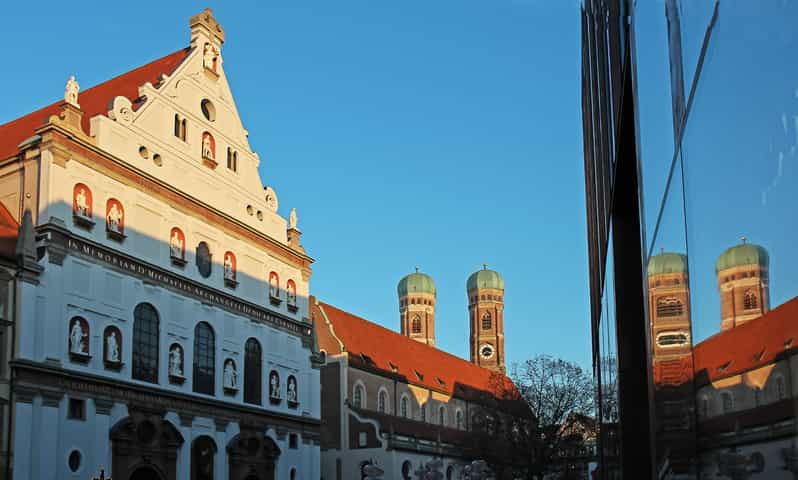
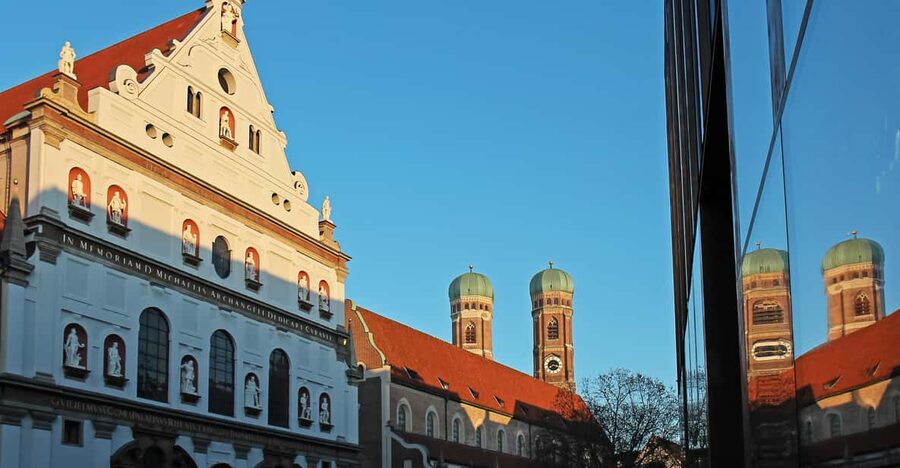
St. Michael’s Church is one of the major stops. Its scale and central location make it an easy landmark, but the church also gives the guide a place to discuss religion, authority, crime, and witch hunts within the broader story of Munich.
You should expect interpretation rather than an entrance visit. Entrance fees are not included, and the tour information does not promise access inside any building. The focus is the walk and the guide’s explanation.
This stop can work very well if the group is positioned where everyone can hear. It can work less well when city noise or church activity takes over. One participant had trouble understanding much of the talk because of heavy crowds, a choir rehearsal, and bells ringing at 3 p.m. That is a useful warning: an attractive location is not always a good speaking location.
If you book a private tour, you may have more opportunity to ask the guide to move to a quieter spot. On a shared tour, you should stay close and speak up if you cannot hear. That small bit of self-advocacy can make a major difference.
The Frauenkirche and familiar sights with a darker meaning
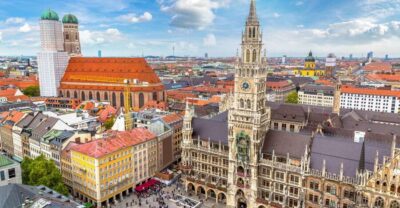
The Frauenkirche is another major landmark on the route. Its twin towers are among Munich’s best-known sights, so most visitors already recognize the building. The value here is not simply seeing the church. It is hearing how the guide connects a famous public monument with the social rules, fears, and punishments of earlier Munich.
This is also the point where the tour’s theme needs careful handling. A dark-history walk should explain clear links, not force every church into the story. One dissatisfied participant felt that the route spent too much time visiting churches and making claims without enough evidence. That criticism is worth taking seriously.
I would book this tour if you enjoy historical interpretation and understand that some connections may be indirect. I would not book it if you want a tightly documented investigation of only executions, prostitution, and witch trials. The tour is a city walk with a dark theme, not an archive-based seminar.
Timing can matter here. If bells, choir practice, or a large crowd are expected, the guide may have trouble being heard. The information says the tour checks availability for starting times, but it does not promise that every departure avoids church events. A quieter afternoon may offer a better experience than a noisy one.
Something different for another day:
- From Munich: Neuschwanstein & Linderhof Castle Full-Day Trip
★ 4.5 · 12,494 reviews - Neuschwanstein & Linderhof Castle-Fairytale Day Tour from Munich
★ 4.5 · 7,275 reviews - Munich: Third Reich & WWII Walking Tour
★ 4.6 · 6,181 reviews - Dachau Concentration Camp Memorial Site Tour from Munich by Train
★ 4.5 · 5,637 reviews
The Alter Hof and Munich’s old center
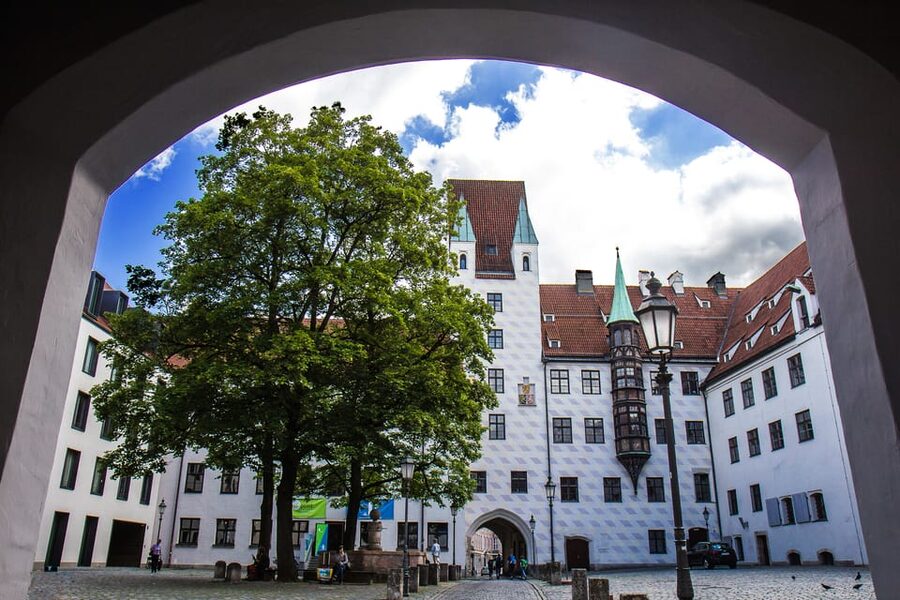
The route passes the Alter Hof, or Old Court of Munich. This historic court area helps place the stories within the city’s governing structure. The guide can explain how power operated in the old center and how punishment fitted into civic life.
You will not be paying for an entrance to the Alter Hof. The tour fee covers the guide and guided walk, while food, drinks, and admission charges are separate. That keeps the basic price low, but it also means you should think of the tour as an interpretive introduction to the city rather than a ticketed attraction.
This stop is useful early in a Munich visit. It gives you context for later sightseeing, especially if you plan to return to the old center on your own. You may not remember every date, but you are likely to notice the city differently after hearing who had authority, who was excluded, and how public order was enforced.
The guide’s anecdotes are important here. The tour is not just a list of historical names. Its strongest praised feature is the way a friendly guide turns unusual facts into a story. A guide such as Julia, who received especially strong personal praise, can make the same streets feel much more lively and understandable.
The old salt road and the former Jesuit college
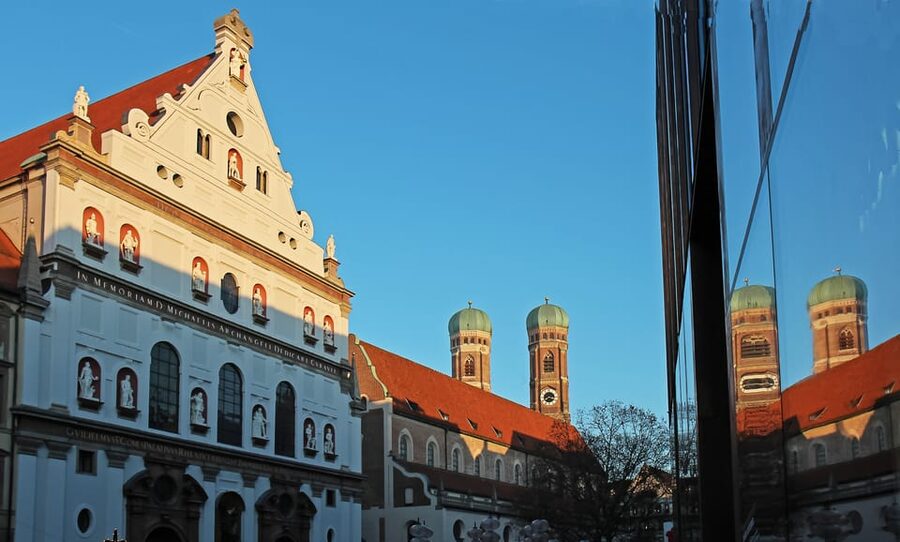
The route follows the historic salt road toward the former Jesuit college. This section gives the walk a clear sense of movement. You are not circling randomly around attractions. The path links the commercial and religious parts of Munich with the subject of witch hunts.
The salt road is a useful historical setting because trade routes brought goods, people, money, and rumors into a city. The guide uses the route to explain why certain locations mattered and how the city’s institutions related to one another.
At the former Jesuit college, witch hunts become a main topic. Expect discussion of accusations and the forces that allowed such cases to develop. The available information does not provide a full list of individual cases, names, or dates, so you should not expect a detailed case-by-case account.
Instead, this part works as a window into how fear and authority could shape public action. It is one of the more serious parts of the tour, and the guide’s ability to explain rather than simply shock will matter.
If you prefer history with solid source references at every step, ask questions. The tour is designed around live storytelling, and a private booking could give you more room to ask where a claim comes from. On a shared walk, question time may be more limited.
Executioners, prostitution, and the city outside the walls
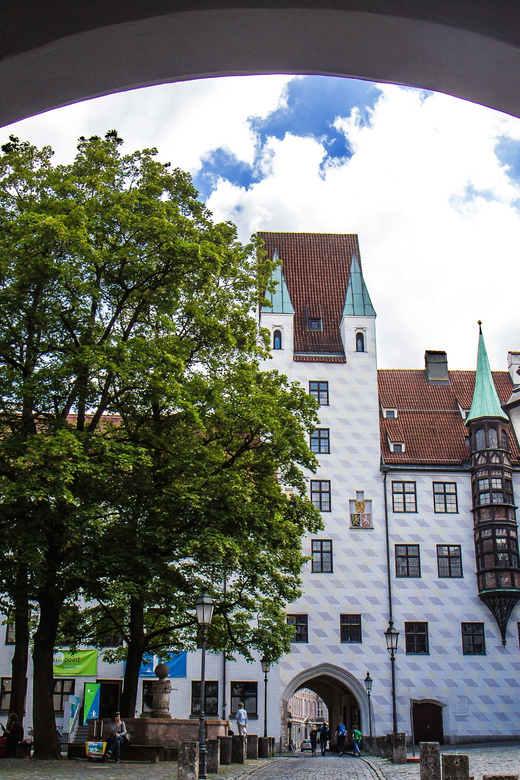
The tour’s most distinctive material concerns executioners and prostitution. You hear about executioners who also acted as pimps, along with the reason their headquarters were located outside the city.
That detail says a great deal about social status. An executioner could be essential to the legal system yet remain separated from respectable urban society. The same city that needed punishment also kept its executioners at a distance.
The prostitution section looks at how the trade was managed and why it ended in the 1970s. This gives the subject a modern endpoint instead of leaving it in the medieval past. You can see that prostitution was not simply an underground issue. It was tied to changing rules, city policy, and social attitudes.
One major drawback is that the amount of time spent on prostitution may vary. A participant who expected the advertised title to receive equal treatment felt that very little was said about prostitutes. If that subject is your main reason for booking, ask at the start how the guide plans to cover it.
The route also includes places associated with the executioner that you may hear about without directly seeing them in their historical form. That can disappoint anyone expecting preserved buildings or exact physical remains. The value is in the explanation, not in a collection of intact execution sites.
What the $25 price really buys you
At about $25 per person, the tour is fairly priced for a two-hour guided walk in central Munich. You are paying for a live German-speaking guide, a planned route, local context, and stories that are difficult to gather from a standard city guidebook.
You are not paying for food, drinks, hotel pickup, drop-off, or admission fees. That makes the cost easy to understand. If you want a museum-heavy experience with included tickets, this is not the right comparison. If you want someone to make sense of the streets while you walk, the price is more attractive.
The shared group option should suit most people who want the lower-cost format and enjoy hearing other questions. A private tour costs more in many cases, though the supplied details do not state a private-tour price. The private format may be worth considering if you need a slower pace, have specific questions, or want more control over where the guide stops.
The free cancellation window extends to 24 hours before the tour, and you can reserve now while paying later. Those terms are useful when your Munich plans are still changing. Just remember that the tour runs rain or shine.
German language, weather, and physical comfort
The live tour guide speaks German. That is not a minor detail. You need a strong enough command of German to follow a spoken explanation outdoors, sometimes near traffic, crowds, bells, or other city noise.
The tour is listed as wheelchair accessible, but the same information also says it is not suitable for people with mobility impairments. Those statements do not fully agree. If you use a wheelchair or have difficulty walking, contact the provider before booking and ask for a precise description of the route, surfaces, pauses, and access conditions.
Wear comfortable shoes. The tour lasts two hours and takes place outdoors. Rain does not automatically cancel it, so bring suitable clothing if the forecast looks poor. A rainy day can still work, as one particularly happy participant found, but your enjoyment will depend on staying warm, dry, and close enough to hear.
The guide’s voice is central to the experience. Stay near the front of the group, especially at the Frauenkirche and St. Michael’s Church. If the group is large or the center is noisy, do not wait until the end to say that you cannot hear.
Who should book this Munich walk?
I recommend it for an adult audience interested in the less polished side of city history. It suits you if you enjoy stories about law, punishment, religion, social control, and people living outside accepted society.
It can also be a good first-day activity. The route introduces the old center, the Alter Hof, the major churches, the Neuhauser archway, and the former Jesuit college. You get orientation along with the stories.
Families with older teenagers may find the subject interesting, but the themes include executions, torture, prostitution, and witch hunts. The tour is not presented as a children’s activity, so use your judgment.
I would be more cautious if you need English, dislike church-related sightseeing, or expect a tightly focused tour with documentary proof for every claim. The format relies on the guide’s spoken delivery, and the subject may be treated broadly at some stops.
Should you book Henker, Huren, Hexen?
Book it if you want a German-language city walk that turns Munich’s famous center toward executioners, witch hunts, prostitution, and public punishment. The price is reasonable, the two-hour length fits easily into a sightseeing day, and the best guides add memorable stories to places you might otherwise pass without thought.
Before booking, make three checks. Confirm that German is comfortable for you, choose a time when church noise and heavy crowds are less likely, and decide if the shared or private format better suits your need to hear and ask questions.
My final call is positive, with one clear condition: choose this for storytelling and unusual city context, not for a perfect, site-by-site tour of every subject in the title. A strong guide, such as Julia, can make it lively and rewarding. A noisy setting or a less focused route can leave you wishing the dark stories had received more space.
FAQ
How long does the Henker, Huren, Hexen tour last?
The tour lasts two hours.
What language is the tour conducted in?
The live tour guide speaks German, and German is the only language listed for this experience.
Where does the tour meet?
Meet your guide under the Neuhauser archway, at the Neuhauser Tor area.
How will I recognize the guide?
The guide will carry a large blue bag with the white words Weis(s)er Stadtvogel on it.
What sights are included on the route?
The walk includes St. Michael’s Church, the Frauenkirche, the Alter Hof, the old salt road, and the former Jesuit college.
Does the tour include entrance fees?
No. Entrance fees, food, and drinks are not included.
Does the tour run in bad weather?
Yes. The tour takes place rain or shine.
Are there actors or historical reenactments?
No. The tour does not include actors or reenactments.
Can I cancel for a full refund?
Yes. You can cancel up to 24 hours before the tour for a full refund. You can also reserve now and pay later.
Just added around Munich
- Munich WWII and Dachau Concentration Camp Private Tour with Licensed Guide★ 5.0 · 3 reviews
- Munich Photoshoot: A Must-Have Holiday Experience!★ 5.0 · 3 reviews
- München: Braukurs mit Führung und Verkostung★ 4.2 · 4 reviews
- Mozart and German Composers Private Tour in Munich★ 4.8 · 4 reviews
- CITY QUEST Munich: reveal the secrets of this city!★ 4.0 · 4 reviews
- Private audio book city rally in Munich city centre★ 4.0 · 4 reviews
- Culinary Haidhausen – The Food Tour★ 4.3 · 4 reviews
- Private Munich History and Beer Culture Walking Tour★ 5.0 · 4 reviews
Old Town Walks, compared.
Old Town & Viktualienmarkt City Walk in German
Read our review →
The Night Watchman Old Town Walking Tour in German
Read our review →
Browse the lists this tour appears in