
Reviewed · CITY TOURS
Berlin: Hansaviertel “The City of Tomorrow” Guided Tour
Berlin’s boldest experiment sits in plain sight. The Hansaviertel tour reveals how architects rebuilt a war-damaged district as a model of modern city life, with Tobias and Mr. Schwabe praised for clear, warm, and often funny guiding. I like the mix of architecture and postwar politics, and I like that the route gets you away from Berlin’s usual sights. The main drawback is simple: two hours can feel short when there is so much to explain.
This is a walking tour for people who enjoy buildings with a story attached. You will see work by major German and international architects, but the guide also explains why the district was created and how it reflected the political tensions of divided Berlin.
The route is wheelchair accessible, and tours are offered in English or German. Meeting details vary by booking option, so check them carefully. In winter, one useful point from the tour’s feedback is that an earlier start and finish might suit the limited daylight better.
In This Review
- Key points to know before you go
- Why Hansaviertel tells a different Berlin story
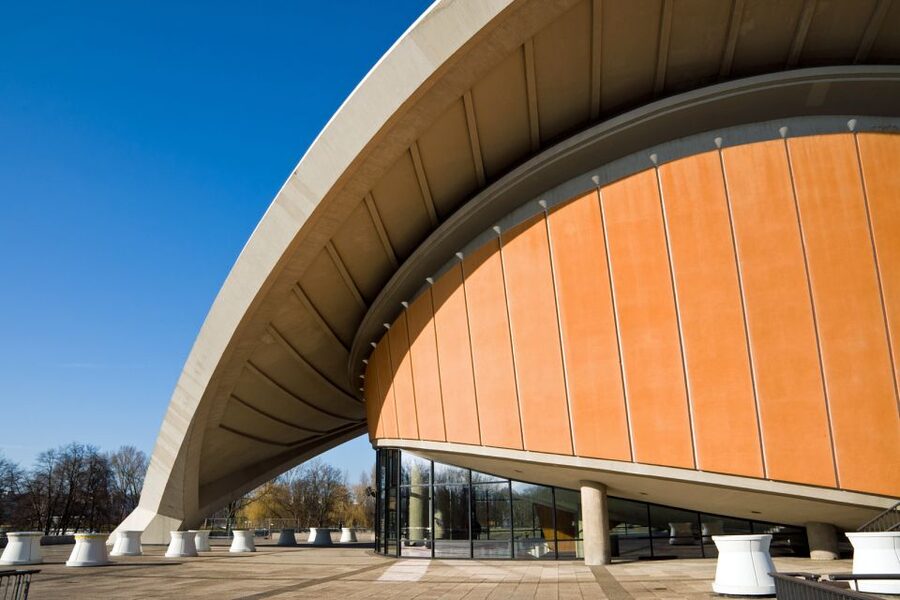
- Starting with the Berlin Pavilion and Müller-Rehm/Siegmann House
- The Gropius-Haus and the meaning of modern design
- Kaiser-Friedrich Memorial Church and the Swedish House
- Hansaplatz station, the library, and the hospital
- Van den Broek House and Schwippert House
- The Academy of Art as a final major stop
- How the history adds weight to the buildings
- The guide makes or breaks this kind of walk
- Who will get the most from the $23 price?
- Practical planning for your Hansaviertel walk
- Should you book the Hansaviertel tour?
- FAQ
- Where does the Hansaviertel tour meet?
- How long does the tour last?
- What languages are available?
- Is the tour wheelchair accessible?
- What buildings are included on the route?
- Does the tour include Hansaplatz station?
- What was Hansaviertel designed for?
- Can I cancel the booking?
Key points to know before you go
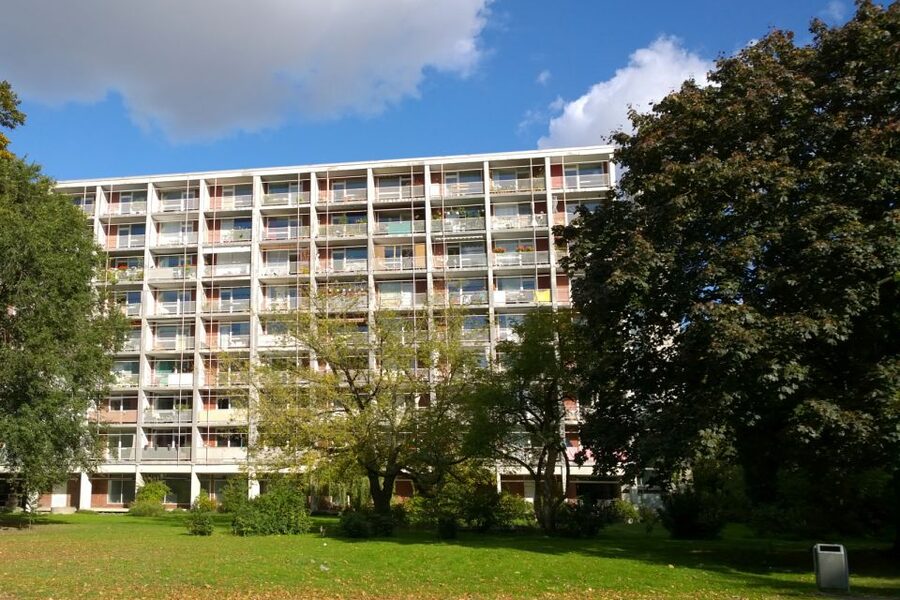
- The 1957 International Building Exhibition shaped the whole district: Hansaviertel was planned as a model of modern urban development, not simply rebuilt as it had been.
- You see architecture by several important designers: The route includes the Gropius-Haus, Van den Broek House, Schwippert House, Müller-Rehm/Siegmann House, and the Academy of Art.
- The tour connects buildings to Berlin’s political past: Hansaviertel reflects postwar rebuilding, modernist ideals, and the city’s divided identity.
- Tobias is a major strength: His style is described as friendly, humorous, patient, and passionate, with plenty of room for questions.
- The route includes more than residential blocks: You also visit or pass the Berlin Pavilion, Hansaplatz station, the library, hospital, Kaiser-Friedrich Memorial Church, and Academy of Art.
- At $23 per person, the value is strong: For two hours with a live guide, this is a modest price for a specialist architecture tour.
Why Hansaviertel tells a different Berlin story

Most first-time visits to Berlin focus on the Brandenburg Gate, the Berlin Wall, Museum Island, and the former government quarter. Those places matter, but Hansaviertel shows another side of the city: the attempt to build a new future after war and political rupture.
The district was newly designed for the International Building Exhibition of 1957. Its planners wanted a structured, spacious city, with modern housing and public buildings arranged according to the ideas of the period. That makes Hansaviertel more than a collection of attractive buildings. It is a complete urban argument.
You are looking at a district shaped by the belief that good design could improve daily life. Buildings were designed as part of a wider plan, with open space and modern services included in the picture. The guide helps you read those choices rather than simply pointing out façades.
That context is what makes this walk useful. Without it, the buildings can appear as isolated examples of 1950s modernism. With it, you can see Hansaviertel as Berlin’s answer to a major question: how should a damaged city be rebuilt, and what should the future look like?
More City Tours in Berlin
- Berlin: 1-Hour City Tour by Boat with Guaranteed Seating
★ 4.3 · 16,993 reviews - Berlin: City Sightseeing Hop-On Hop-Off Bus Tour
★ 4.1 · 4,233 reviews - Potsdam: City and Castles Tour
★ 4.7 · 3,721 reviews
Starting with the Berlin Pavilion and Müller-Rehm/Siegmann House
The tour introduces you to Hansaviertel through buildings that help establish its design language. The Berlin Pavilion is one of the early stops, followed by the Müller-Rehm/Siegmann House.
These buildings give you a chance to notice the clean lines, practical forms, and planned relationship between architecture and open space. The point is not only to admire an individual structure. You are encouraged to compare different solutions to the same postwar building challenge.
The Müller-Rehm/Siegmann House is particularly useful for understanding how a private home could fit into a district built around modern planning ideas. A guide can explain the architect’s approach and place the house beside the larger public vision for Hansaviertel.
This is where Tobias’s style appears to work especially well. His explanations are praised for being both detailed and easy to follow. He is also described as patient with questions, which matters on a specialist walk where you may want to pause over a detail that would otherwise pass unnoticed.
The Gropius-Haus and the meaning of modern design
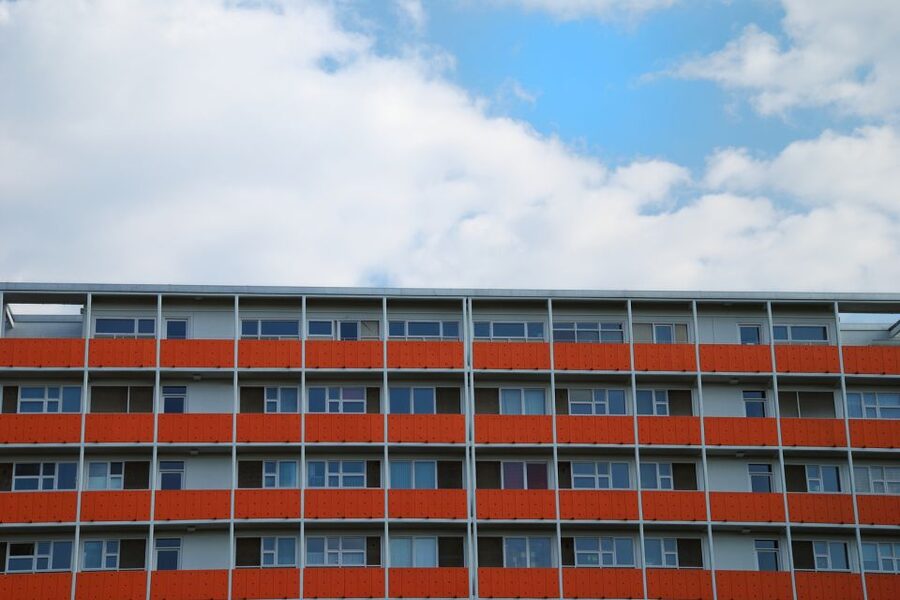
The Gropius-Haus is one of the route’s key architectural sights. Its name immediately connects the building with Walter Gropius and the modernist tradition associated with him, making it a natural focus for anyone interested in 20th-century design.
You should not expect a museum visit built around indoor collections here. The value is in seeing the building within the Hansaviertel plan and hearing how its design relates to the exhibition’s wider goals. The guide gives you a way to understand the structure as part of an urban project.
This is also one of the places where the walk rewards careful looking. You can consider how the building relates to neighboring structures, how the district avoids a single repeated style, and how several architects interpreted modern city living in different ways.
The tour is best for visitors who want explanation, not just photographs. If you only want a quick list of famous architects, you may find the pace slower than expected. If you like asking why a building looks the way it does, the Gropius-Haus should be one of the strongest stops.
Kaiser-Friedrich Memorial Church and the Swedish House
Hansaviertel is not made up only of modern residential architecture. The Kaiser-Friedrich Memorial Church and the Swedish House add a broader cultural and national dimension to the route.
The church helps show how older civic and religious identities remained part of a district planned around new ideas. The Swedish House points to the international character of the 1957 exhibition. Hansaviertel was not a local rebuilding project in a narrow sense. It brought together architects and design ideas from Germany and beyond.
That mix gives the walk useful variety. You move between different building types and different architectural voices rather than spending two hours looking at similar blocks.
The guide’s historical framing is important here. Without a clear explanation, the Swedish House might seem like a curious building with an unusual name. Within the story of the exhibition, it becomes evidence of Hansaviertel’s international outlook.
A few more tours and experiences worth a look
- Berlin: Reichstag, Dome and Government District Guided Tour
★ 4.7 · 18,288 reviews - Berlin: Government District around the Reichstag Guided Tour
★ 4.7 · 8,447 reviews - Berlin: Hidden Backyards Guided Walking Tour
★ 4.8 · 5,360 reviews - Berlin: 1-Hour Boat Tour with Bilingual Live Guide
★ 4.7 · 3,629 reviews
Hansaplatz station, the library, and the hospital
The route also includes everyday infrastructure: Hansaplatz station, the Hansaviertel Library, and Hansaviertel Hospital. These stops are valuable because they show how the modern city was meant to function for ordinary residents.
A city plan is not judged only by its grand buildings. Transport, learning, health care, and housing all form part of daily life. By including the station, library, and hospital, the tour moves beyond architectural celebrity and shows the practical side of the district.
Hansaplatz station is especially important as a link between the neighborhood and the wider city. The library and hospital add another layer, showing that public services were part of the modernist vision.
You will likely appreciate these stops if you want to understand urban planning rather than simply collect famous names. They also keep the tour grounded. Hansaviertel was built for people to live in, not just for architects to discuss.
Van den Broek House and Schwippert House
The Van den Broek House and Schwippert House continue the tour’s look at individual architectural solutions. Seeing several houses on one route allows you to compare materials, forms, proportions, and ideas about domestic life.
The names may be less familiar than Gropius, but that is part of the attraction. Hansaviertel gives you a chance to see how a whole generation of architects worked within one major building project.
Your guide’s job is to make those differences visible. Tobias is repeatedly praised for combining strong subject knowledge with humor and a personal approach. That makes a difference when the subject includes technical design details that can otherwise feel dry.
The walk is not a formal lecture. It is a conversation while moving through the neighborhood. You can ask questions, stop to examine a feature, and connect one building to the last. The guide is also reported to take care of the group and answer questions patiently, useful qualities on a route where curiosity often leads to side discussions.
The Academy of Art as a final major stop
The Academy of Art gives the tour a cultural finish. Together with the Berlin Pavilion and the other public buildings, it shows that the Hansaviertel project was concerned with more than homes.
The district was presented as a vision for a complete modern city. Cultural institutions helped support that vision, offering places for public life and artistic exchange. The Academy of Art therefore belongs to the central story of the neighborhood, not just an optional architectural extra.
This stop may be especially rewarding if you are interested in the connection between urban design and culture. The route asks you to consider what a city needs in order to feel complete: housing, transport, health services, education, worship, and the arts.
Because the entire walk lasts two hours, the guide has to keep the route moving. You will receive a focused introduction rather than an exhaustive architectural survey. That is a fair trade for the price, but you may want to note the names of buildings that deserve a closer look later.
How the history adds weight to the buildings
Hansaviertel’s buildings are attractive, but appearance alone is not the main reason to book this tour. Their real interest comes from the circumstances in which they were planned.
The district was created after a period of destruction and upheaval. Its modern design represented a break with the past and an attempt to show what a new Berlin could be. The 1957 exhibition gave that vision a public stage.
The tour also helps you see Berlin’s larger contrasts. The city’s past is not presented as one smooth story. Instead, you encounter competing ideas about planning, rebuilding, identity, and modern life.
This is why the walk appeals to people who already live in Berlin, too. One person who had lived in the city for three and a half years had never explored Hansaviertel before taking the tour. That says something about the district’s position: it is close to major sights, yet easy to overlook.
For me, that is the strongest reason to include this experience in a longer Berlin visit. It gives you a fresh way to read the city. You do not simply see another neighborhood. You learn to spot the political and social ideas built into its streets.
The guide makes or breaks this kind of walk
Architecture tours depend heavily on the guide. A string of building names is not enough. You need someone who can connect design, politics, and daily life without turning the walk into a dry classroom.
Tobias receives especially strong praise for his friendly, funny, and engaging manner. His enthusiasm comes through in the way he explains the buildings and the 1950s exhibition. He is also described as personable and patient, which is useful if the group includes both architecture specialists and curious beginners.
Mr. Schwabe is also singled out for high-quality information and a kind manner. Since the meeting point and guide may vary by booking option, check the details when you reserve. The available tour languages are English and German.
The repeated praise for the guides is the clearest strength of this experience. You are not paying only to walk past buildings. You are paying for the connections between them, and for someone who can answer the questions that arise along the way.
Who will get the most from the $23 price?
At $23 per person, the tour offers good value for a two-hour specialist walk. It includes a live guide and covers a substantial set of buildings and public spaces. Comparable private architectural instruction would usually cost much more, though this is a shared walking tour rather than a private visit.
I would recommend it most strongly to:
- People interested in 1950s architecture and modern urban planning
- Visitors who have already seen Berlin’s headline sights
- Residents who want to understand a district they have overlooked
- Anyone curious about postwar rebuilding and divided Berlin
- Travelers who prefer a focused walking experience to a large museum visit
You may want to skip it if your main goal is medieval Berlin, royal history, or major indoor attractions. This tour is focused on modern architecture and the political setting around it.
The two-hour length is sensible for a walking route. It is long enough to build a clear story but short enough to fit into a busy day. Still, the subject is dense, and you should expect a steady flow of information rather than a relaxed café-style stroll.
Practical planning for your Hansaviertel walk
Wear comfortable shoes and check the meeting point before setting out. The starting location can change depending on the option you choose, so do not rely on a general map pin from an earlier search.
English and German tours are available. The experience is wheelchair accessible, an important advantage for visitors who need a route with that provision.
The tour lasts two hours, with starting times available according to the date you select. Winter timing deserves a little thought. One useful suggestion is to choose an earlier start and finish during the darker months, when daylight can affect how clearly you see the buildings.
You can cancel up to 24 hours before the tour for a full refund, and the reserve-now, pay-later option keeps your plans flexible. Those terms are helpful in Berlin, where weather and changing schedules can affect a walking day.
The tour provider is Sonderweg-Berlin. If you want a related experience after Hansaviertel, Tobias also leads a tour about Karl-Marx-Allee, which makes a useful companion for comparing two very different postwar visions of Berlin.
Should you book the Hansaviertel tour?
Book it if you want to understand how architecture can express politics, hope, and social planning. The route covers a lot in two hours, and the guides, especially Tobias, add the context and personality that make the buildings memorable.
The tour is less suitable if you want a quick photo walk or a broad overview of all Berlin history. Its focus is narrow by design: Hansaviertel, the 1957 exhibition, modern architecture, and the city’s turbulent postwar story.
At $23, the price is fair, the route is distinctive, and the subject is difficult to discover on your own without background knowledge. I would schedule it early in your Berlin stay if you care about architecture, since it can sharpen your understanding of the city’s later buildings and political contrasts.
FAQ
Where does the Hansaviertel tour meet?
The meeting point may vary depending on the option booked. Check the specific meeting details attached to your selected tour.
How long does the tour last?
The walking tour lasts two hours.
What languages are available?
The live tour guide is available in English and German.
Is the tour wheelchair accessible?
Yes, the activity is listed as wheelchair accessible.
What buildings are included on the route?
The route includes the Berlin Pavilion, Müller-Rehm/Siegmann House, Gropius-Haus, Kaiser-Friedrich Memorial Church, Swedish House, Van den Broek House, Schwippert House, and Academy of Art.
Does the tour include Hansaplatz station?
Yes. The route includes Hansaplatz station, along with the Hansaviertel Library and Hansaviertel Hospital.
What was Hansaviertel designed for?
The district was newly designed according to modern urban development principles for the International Building Exhibition of 1957.
Can I cancel the booking?
Yes. You can cancel up to 24 hours in advance for a full refund. A reserve-now, pay-later option is also available.
Just added around Berlin
- Berlin: Private Guided Tour of the Main Sights★ 5.0 · 13 reviews
- Private Highlights of Berlin Bike Tour★ 5.0 · 13 reviews
- Modern Berlin Private Walking Tour: Diverse, Vibrant and Exciting German Capital★ 5.0 · 13 reviews
- Tour in Berlin from Warnemünde and Rostock Cruise Port★ 4.1 · 13 reviews
- Berlin: Stasi Museum Private Guided Tour with Entry Ticket★ 4.8 · 13 reviews
- Private Food Tour Experience with a born and bred Berliner★ 5.0 · 14 reviews
- Berlin: Rheinsberg Palace Entrance Ticket★ 4.8 · 14 reviews
- Berlin in one day – day tour with an expert guide★ 5.0 · 14 reviews
City Tours, compared.

1-Hour City Tour by Boat with Guaranteed Seating
Read our review →
City History Canal Sightseeing Tour on a Motorboat
Read our review →

Browse the lists this tour appears in