

Reviewed · STUTTGART TOURS
Stuttgart: Wilhelma Zoological-Botanical Garden Ticket
A zoo, a greenhouse, and a palace in one. Wilhelma combines 11,000 animals with palms, orchids, historic Moorish buildings, and carefully designed gardens, giving you far more than a standard zoo visit. I especially like the mix of wildlife and plants, and the way the old park setting gives the day a sense of place. The main drawback is time: a rushed afternoon is not enough for everything, including the botanical gardens and aquarium.
Plan on at least three or four hours, and a full day if you want to follow the routed map, pause at the animal exhibits, and enjoy the seasonal displays. Spring is particularly rewarding for flowers, while families will find plenty to keep children occupied. The $26 admission is reasonable if you use the whole day, but less attractive if you arrive late.
In This Review
- Key things to know before visiting Wilhelma
- Why Wilhelma feels different from a normal zoo
- Starting with the Moorish Garden and historic grounds
- Terra Australis and Wilhelma’s rare Australian animals
- Great Apes, African animals, and themed habitats
- Amazonia, Mountain Worlds, and changing climates
- The botanical gardens are not a side attraction
- The aquarium and interactive learning
- How much time should you plan?
- Is the $26 ticket good value?
- Practical details for families and access
- Who should book Wilhelma?
- Should you book Wilhelma?
- FAQ
- How long is the Wilhelma ticket valid?
- What does the Wilhelma ticket include?
- Does the ticket include the aquarium?
- Is Wilhelma wheelchair accessible?
- Are pets allowed at Wilhelma?
- Can I cancel the booking?
- What is the Conservation Euro?
Key things to know before visiting Wilhelma

- A rare zoo and botanical garden combination: Wilhelma brings together animals, greenhouses, themed gardens, and historic architecture in one ticketed attraction.
- Terra Australis is a major highlight: This modern area features Australian animals, including koalas and nocturnal species. Quokkas are kept here, a rare sight since Stuttgart is the only place in Europe with them.
- The botanical gardens deserve real time: The Historical Greenhouse Row includes orchids, palms, and seasonal plant displays that can easily get overlooked if you focus only on the animals.
- A routed map helps: Follow the suggested route to see the main attractions in a sensible order instead of crossing the grounds at random.
- Your ticket supports conservation: Most admission types include a one-euro Conservation Euro for wildlife projects and endangered habitats.
- It works best as a half-day or full-day outing: Three to four hours can cover a good portion of Wilhelma, but a full day gives you breathing room.
Why Wilhelma feels different from a normal zoo

Wilhelma occupies a historic 19th-century park in Stuttgart, and its identity comes from the unusual partnership between architecture, plants, and animals. You might begin beside Moorish-style buildings, pass through formal gardens, then reach a modern animal enclosure a few minutes later. That change of mood is part of the appeal.
Germany has many excellent zoos, but Wilhelma offers a different rhythm. You are not simply moving from one animal pen to the next. The grounds also function as a botanical garden, with subtropical terraces, greenhouse collections, and seasonal displays that change the character of the visit through the year.
I like this setup because it gives you something to enjoy even when an animal is sleeping or out of view. If the koalas are taking the day off, the orchids, palms, and old buildings still give you plenty to see.
The scale is substantial. Wilhelma is home to more than 11,000 animals representing about 1,200 species, along with plant collections from around the world. That number can sound abstract, so the practical point is simple: do not treat this as a quick stop between other Stuttgart sights.
A few more tours and experiences worth a look
- Stuttgart: Mercedes-Benz Museum Entry Ticket
★ 4.8 · 1,400 reviews - Tickets SWR Fernsehturm Stuttgart
★ 4.5 · 674 reviews - Stuttgart: Museum of Illusions Entry Ticket
★ 4.2 · 507 reviews
Starting with the Moorish Garden and historic grounds
The Moorish Garden is a natural place to begin. It introduces Wilhelma’s older architectural character, with ornamental design, historic structures, and greenery arranged as part of the original park setting.
This opening area helps you understand why Wilhelma is more than a collection of animal exhibits. The buildings and gardens are part of the experience, not just scenery around it. Take a little time here before hurrying toward the larger animal areas.
A routed map is useful, especially on a first visit. It helps you see the attractions in a logical order and reduces the chance of missing a greenhouse or themed section. You do not need to treat the route like a strict tour, but it gives the day a helpful shape.
The grounds can reward a slow pace. You may want to stop for photographs, read educational displays, or simply look at the planting around the older buildings. Private photography is allowed, but commercial photography requires permission.
Terra Australis and Wilhelma’s rare Australian animals
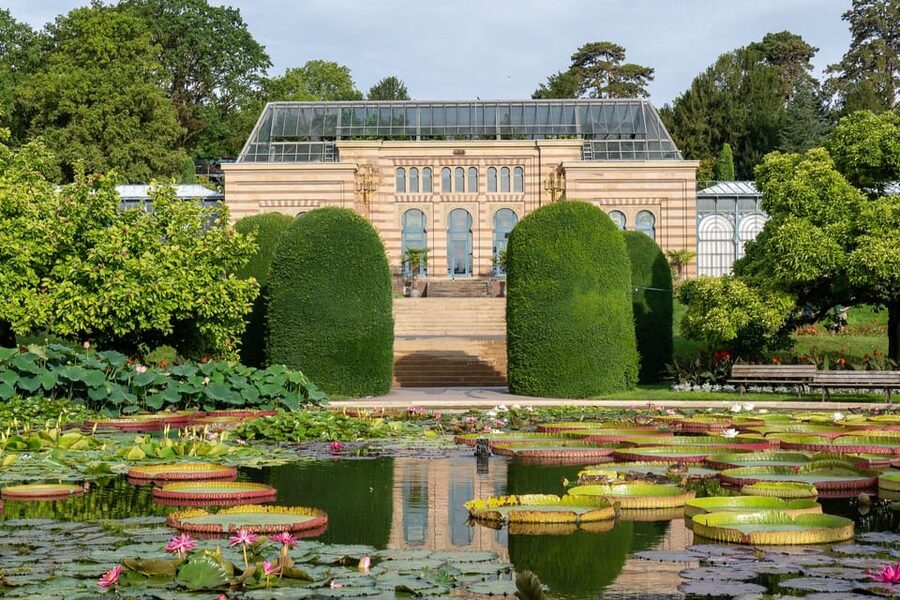
Terra Australis is one of the strongest reasons to visit. It is described as one of Europe’s most modern facilities, with naturalistic enclosures designed for animals from Australia and nearby regions.
The area includes koalas and nocturnal species, offering a different kind of animal viewing from the larger African habitats. Koalas are kept in only four German zoos, including Stuttgart. Even more unusual, quokkas are kept only in Stuttgart throughout Europe.
That makes Terra Australis especially valuable for anyone interested in less common zoo species. You may not see every animal at its most active, since nocturnal creatures follow their own schedule, but the facility gives you a chance to learn about animals that are not part of the usual zoo circuit.
I would give this area more time than a quick photograph. Read the displays and look for the details about habitat and behavior. The value is not only in seeing a rare animal, but also in understanding why these species need particular conditions and careful conservation work.
Great Apes, African animals, and themed habitats
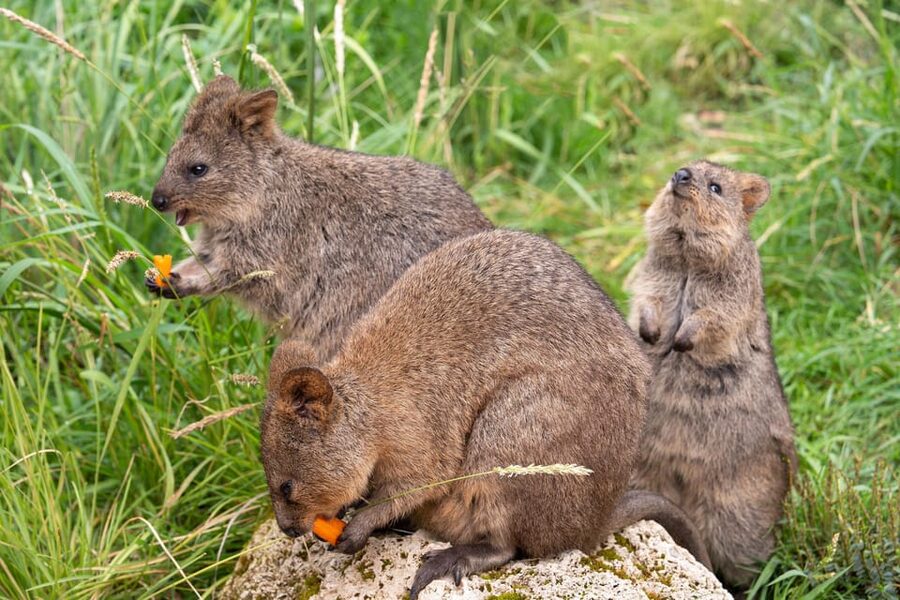
Wilhelma’s animal collection covers all continents, so the day moves between very different habitats and species. Australian koalas, African giraffes, birds, and other animals appear alongside themed areas built to suggest their native regions.
The modern Great Ape enclosure is another important stop. Modern zoo design aims to provide more natural settings and space for animals, and this facility is part of Wilhelma’s wider effort to present wildlife in an educational setting rather than as a simple display.
The African sections, including giraffes, give families some of the most familiar large-animal encounters. Children often connect quickly with the size and movement of these animals, while the educational material adds context for adults.
Keep your expectations sensible. A zoo cannot reproduce the full freedom or scale of a wild habitat. The best way to approach these exhibits is to see them as places for observation, learning, and conservation education, not as a replacement for nature.
The themed arrangement also keeps the visit varied. You might move from a large mammal area to birds, then into a greenhouse or a historic garden. That variety is one reason Wilhelma can hold your attention for several hours.
Something different for another day:
- Stuttgart 24-Hour Hop-On Hop-Off Sightseeing Bus Tour
★ 4.4 · 1,647 reviews - Stuttgart: Guided Ghost Walking Tour
★ 4.5 · 662 reviews - Stuttgart: Vineyard Tour by Covered Wagon
★ 4.1 · 217 reviews - Stuttgart: City Highlights – Guided Walking Tour
★ 4.7 · 189 reviews
Amazonia, Mountain Worlds, and changing climates
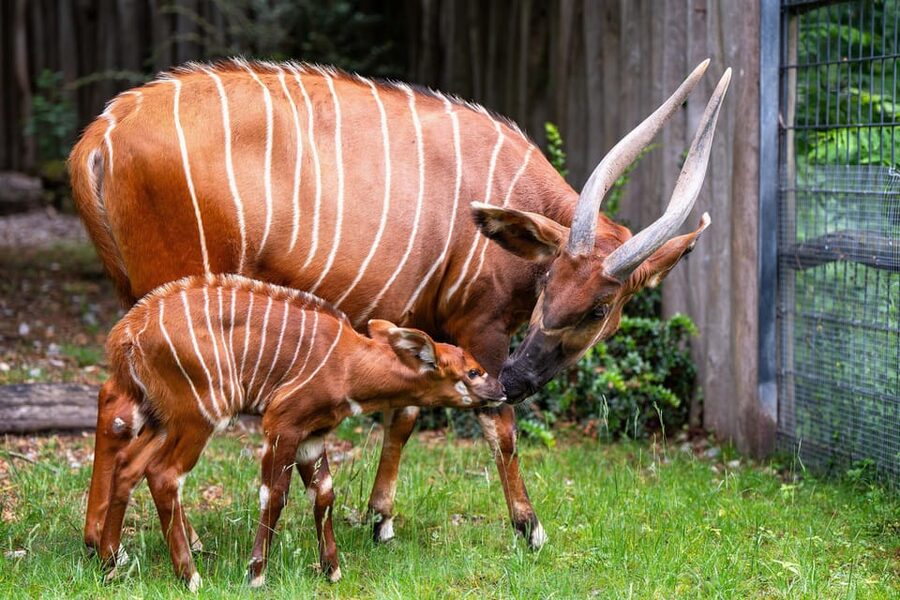
Three themed areas give the visit a regional structure: Amazonia, Terra Australis, and Mountain Worlds. Each presents flora and fauna associated with a particular part of the world.
Amazonia brings the focus to tropical ecosystems. This is where the botanical side of Wilhelma becomes especially important, since tropical habitats depend on plant life as much as animal life. The displays help connect individual species with the larger ecosystems they inhabit.
Mountain Worlds shifts the mood again, presenting species and plants linked with higher elevations. These settings are useful reminders that wildlife is shaped by climate, altitude, vegetation, and available shelter.
You do not need specialist knowledge to enjoy these sections. The interactive exhibits and educational programs are designed to explain global ecosystems and conservation in accessible ways. If you are visiting with children, use the displays as prompts rather than trying to read every panel.
The themed areas also help break up the day. After spending time with one type of animal, you can move into a different climate zone or return to the gardens for a quieter stretch.
The botanical gardens are not a side attraction
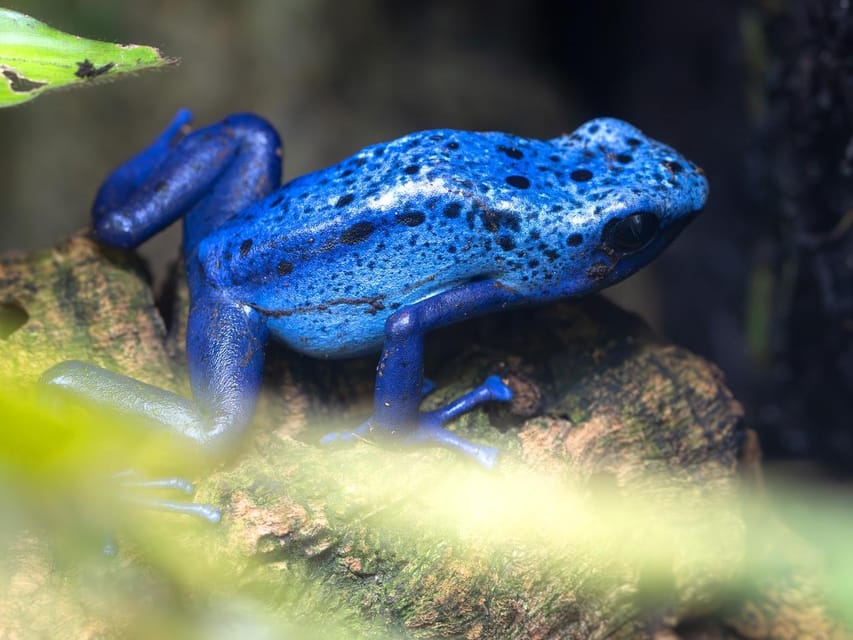
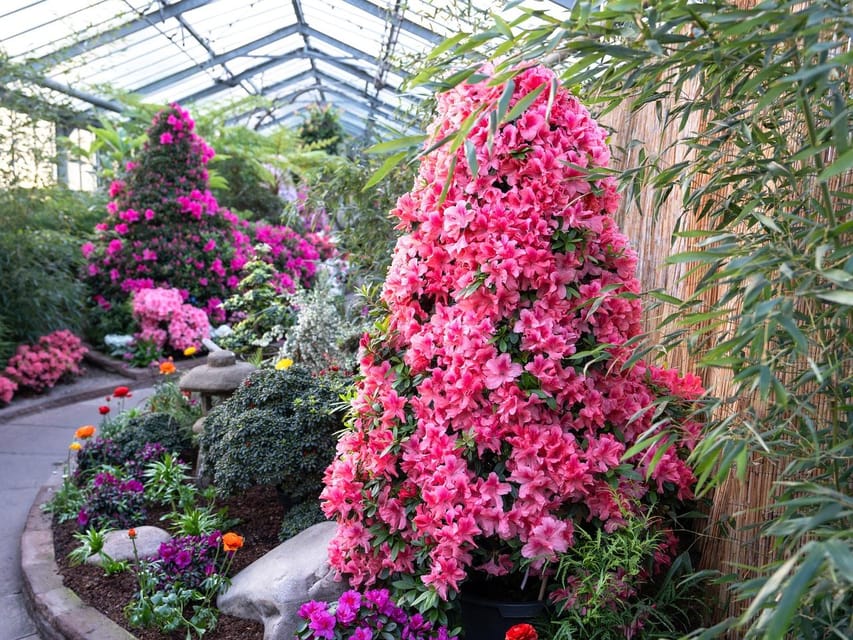
Many people arrive thinking mainly about the zoo and then discover that the plants are one of Wilhelma’s best features. The botanical collections include orchids, palms, subtropical terraces, and seasonal displays, all arranged across the historic grounds and greenhouse areas.
The Historical Greenhouse Row deserves a deliberate visit. Inside, you can find tropical plants and flowering displays that make a strong contrast with Stuttgart’s weather outside. Orchids are a highlight, while the palms give the greenhouses their grand scale.
The outdoor gardens change with the seasons. Spring is a particularly good time for flowers, but the displays are not limited to one season. If you care about plants or photography, allow more time than you think you need.
This is also where Wilhelma feels most peaceful. Animal areas can be busy and energetic, while the greenhouses and planted terraces invite a slower walk. I would not save the botanical gardens for the last few minutes of the day. That is exactly how you end up seeing only a fraction of them.
One practical lesson comes from the timing of your visit: arriving in the afternoon may leave you unable to see both the botanical garden and the aquarium properly. Even if you are mainly interested in animals, set aside time for the plant collections.
The aquarium and interactive learning
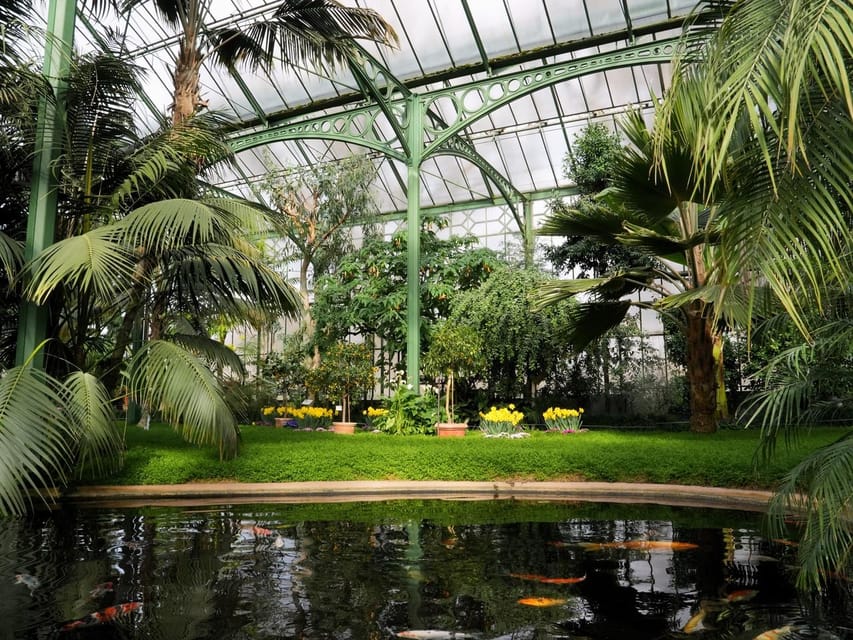
An aquarium is also part of what you can explore at Wilhelma. Since the ticket includes access to the animal exhibits, you can include it in your route rather than treating it as a separate paid stop.
The aquarium adds another change of pace. After land animals and garden paths, aquatic displays offer a different view of animal life and ecosystems. Exact exhibits and presentation details can vary, so use the map and allow enough time rather than assuming it will be a quick walk-through.
Interactive exhibits and educational programs add more value to the admission. They explain conservation efforts, global ecosystems, and the work supported through Wilhelma’s partnerships. These details matter because the visit becomes more than entertainment: you are also shown why habitat protection and species management are needed.
The one-euro Conservation Euro included with most ticket types directly funds wildlife conservation projects around the world. Kids and youth tickets are excluded from this contribution. It is a small amount, but it gives your admission a clear connection to endangered species and habitat protection.
How much time should you plan?

A visit of three to four hours is realistic if you follow the map, focus on major animal areas, and make a reasonable selection of gardens and greenhouses. That length works well if Wilhelma is one stop in a busy Stuttgart day.
I would plan a full day if you are visiting with family, want to see the animal exhibits without rushing, or have a strong interest in plants. A full day also gives you time to stop, eat, revisit a favorite area, and see the gardens in a more relaxed way.
The attraction is large enough that your priorities matter. Use this rough approach:
- For animals, begin with the major themed habitats and Terra Australis.
- For plants, make the Historical Greenhouse Row and seasonal gardens a priority.
- For families, use the routed map and alternate active animal areas with quieter garden sections.
- For a shorter visit, choose either the animal collection or the botanical areas as your main focus.
There are meals and drinks available only at your own expense, so budget separately for them. Souvenirs are also not included. No personal guide is provided, which is usually fine because the map and educational displays give the visit structure.
Is the $26 ticket good value?
At $26 per person, Wilhelma is not a bargain-priced quick attraction, but it can be good value for a substantial visit. You are paying for access to animal exhibits, botanical gardens, historic grounds, greenhouses, themed habitats, and educational displays under one admission.
The price works best when you stay for several hours. If you arrive late and see only a few animal areas, the value drops. The same is true if you ignore the botanical sections, since the plant collections are a major part of what makes Wilhelma special.
For families, the ticket can be worthwhile because children have many different types of exhibits to explore. Adults who are not keen on zoos may still enjoy the architecture and plants, while animal lovers have plenty of species to seek out.
The Conservation Euro also adds a modest social benefit. Most ticket types include one euro for worldwide wildlife projects, so part of the cost supports work beyond the park itself.
The booking terms are flexible. You can reserve now and pay later, and cancellation is free up to 24 hours before the visit for a full refund. The ticket is valid for one day, so choose a date when you can give the grounds enough time.
Practical details for families and access
Wilhelma is wheelchair accessible, which makes the combination of gardens and animal exhibits easier to plan for visitors with mobility needs. Visitors with disabilities receive free admission with valid identification.
Pets are not allowed, although assistance dogs are permitted. Bicycles, skateboards, and similar vehicles should also be left behind. These restrictions help keep the paths safe and reduce disruption around animals.
Do not touch or feed the animals. You are also expected not to damage plants, buildings, or facilities. These rules are basic, but they matter in a place where fragile botanical collections and living animals share the same grounds.
Photography for personal use is welcome. If you plan to use photographs commercially, you need permission.
For the best day, check the available starting time when booking, then arrive with enough hours left to follow the route. The attraction is open for a one-day visit rather than a timed guided tour, so your own pace controls the experience.
Who should book Wilhelma?
I would recommend Wilhelma to families, plant lovers, zoo enthusiasts, and anyone who enjoys attractions with more than one layer. It is also a good choice if you want a break from Stuttgart’s city streets without giving up culture or learning.
The attraction suits you especially well if you can spare half a day or more. You will get the most from it if you enjoy walking, comparing different habitats, and stopping for details rather than racing from one famous animal to the next.
It may not suit you if you have only a short window in Stuttgart or want a tightly organized guided experience. There is no personal guide included, and the grounds offer enough to see that a hurried visit can feel incomplete.
Should you book Wilhelma?
Book it if you can give it at least three or four hours, and book it confidently for a full day if your schedule allows. The rare Australian animals, Great Ape enclosure, historic Moorish setting, and excellent greenhouse collections give Wilhelma a useful balance of wildlife and culture.
My main advice is simple: do not arrive late and expect to see everything. Follow the map, protect time for the botanical gardens, and include Terra Australis even if you came mainly for the larger animals. At $26, the ticket earns its value through a long, varied visit, not a quick stop.
FAQ
How long is the Wilhelma ticket valid?
The ticket is valid for one day. A visit of three to four hours can cover many main attractions, while a full day is recommended if you want to see the animal exhibits and botanical gardens without rushing.
What does the Wilhelma ticket include?
It includes entry to Wilhelma Zoological-Botanical Garden, access to all animal exhibits, and access to the botanical gardens.
Does the ticket include the aquarium?
The ticket provides access to the animal exhibits, and the aquarium is part of the attractions presented at Wilhelma. Allow enough time if you want to include it with the gardens and animal areas.
Is Wilhelma wheelchair accessible?
Yes. Wilhelma is wheelchair accessible. Visitors with disabilities receive free admission with valid identification.
Are pets allowed at Wilhelma?
Pets are not allowed. Assistance dogs are permitted.
Can I cancel the booking?
Yes. You can cancel up to 24 hours in advance for a full refund. You can also reserve now and pay later.
What is the Conservation Euro?
Most ticket types, except Kids and Youth tickets, include one euro that directly supports wildlife conservation projects around the world, including work for endangered species and their habitats.
Just added around Stuttgart
- Stuttgart: Landesmuseum Württemberg Old Castle Entry Ticket★ 4.5 · 15 reviews
- Stuttgart: Winter Sunday Brunch Buffet★ 4.6 · 16 reviews
- Stuttgart : Guided Walking Tour With A Guide (Private Tour)★ 4.5 · 20 reviews
- Stuttgart: Exklusive Floßboote Finne & Fischle★ 4.5 · 23 reviews
- Premium wine hike Stuttgart with games and winemaker’s snack★ 4.7 · 26 reviews
- Stuttgart city library – an architectural tour★ 4.4 · 27 reviews
- Stuttgart: Guided Wine Walk & Wine Tasting★ 4.6 · 28 reviews
- Stuttgart: Karlshöhe Crime Mystery Tour★ 4.6 · 34 reviews
Stuttgart Tours, compared.

Stuttgart 24-Hour Hop-On Hop-Off Sightseeing Bus Tour
Read our review →





Browse the lists this tour appears in