
Reviewed · FRANKFURT TOURS
EUMETSAT – weather data for the world “made in Darmstadt”
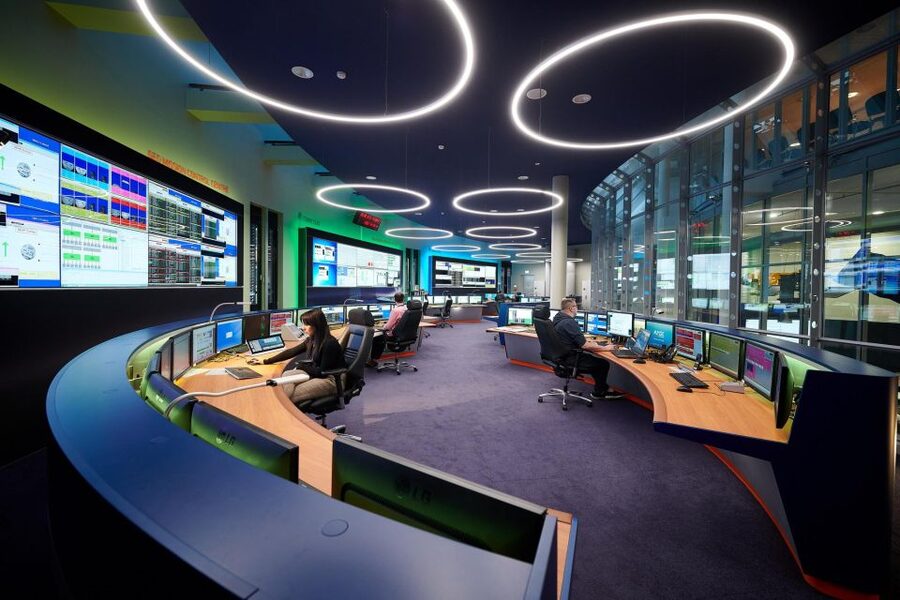
Weather forecasting has a secret headquarters. In Darmstadt, EUMETSAT runs meteorological satellites around the clock, turning signals from space into data used for weather forecasts and climate research. I like the access to a working European science organization, and I like the full-size satellite models that make the technology easier to grasp. The main drawback is that the 1.5-hour tour is in German and includes time outdoors.
This is a focused visit rather than a general museum outing. You must be at least 12, pre-register with your full name and nationality, and bring a passport or national identity card. I also recommend leaving large bags, backpacks, and baby carriages behind, since security rules are strict and your identity document is held during the visit.
In This Review
- Key points about the EUMETSAT visit
- Why EUMETSAT matters beyond tomorrow’s forecast
- What the 1.5-hour tour is likely to show you
- The satellite models are the star attraction
- From satellite signals to climate records
- A working site, not a casual walk-in museum
- German language and outdoor comfort
- Is $17 a fair price?
- Who will enjoy the EUMETSAT visit most?
- Practical advice before you reserve
- Should you book the Darmstadt EUMETSAT tour?
- FAQ
- Where is the EUMETSAT tour held?
- How long does the guided visit last?
- How much does the experience cost?
- What language is the tour conducted in?
- What is the minimum age?
- What identification must I bring?
- What happens to my identity document during the tour?
- Do I need to register before attending?
- Can I bring a large bag or baby carriage?
- Is the tour wheelchair accessible?
- Can I cancel my reservation?
- Can I reserve now and pay later?
Key points about the EUMETSAT visit
- Full-size satellite models: See meteorological spacecraft at one-to-one scale, an especially impressive part of the tour.
- Weather data in action: Learn how satellite information supports daily forecasts and research into climate change and global warming.
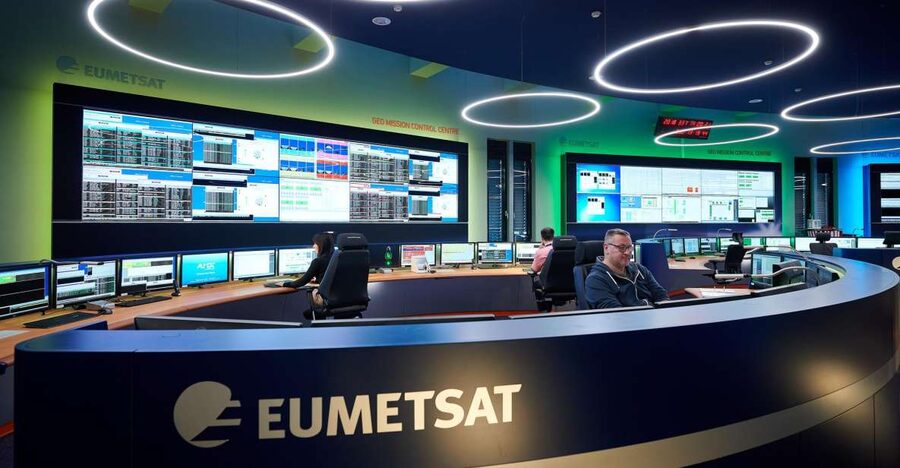
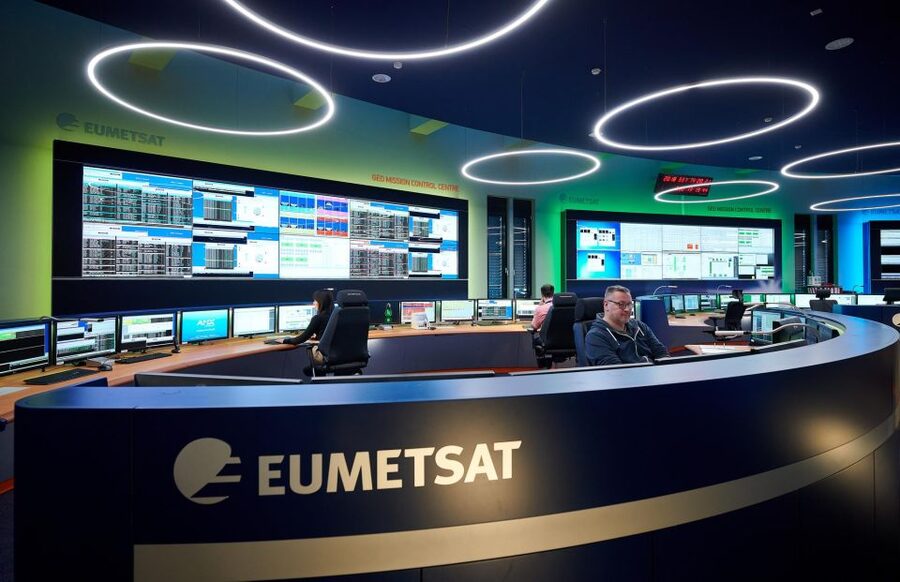
- A working European organization: EUMETSAT has operated from Darmstadt since 1986 and runs its satellite system 24 hours a day, 365 days a year.
- German-language guided tour: The visit is led in German, so basic German or an interpreter may help you get the most from it.
- Strict security at the gate: Bring a valid passport or identity card, and expect it to be checked and retained during your time on site.
- Good value for science fans: At $17 per person, the tour offers unusual access to a major space and weather organization in a compact 1.5-hour visit.
Why EUMETSAT matters beyond tomorrow’s forecast
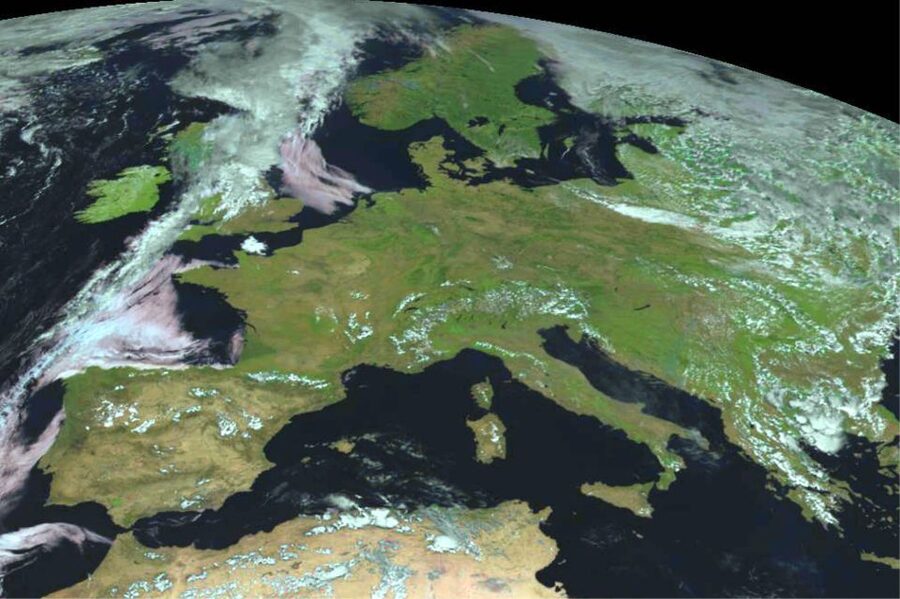
Most of us check the weather without thinking about where the information comes from. EUMETSAT gives you a chance to see the European system behind those forecasts and to understand that weather data is gathered far above the ground, then processed for practical use here on Earth.
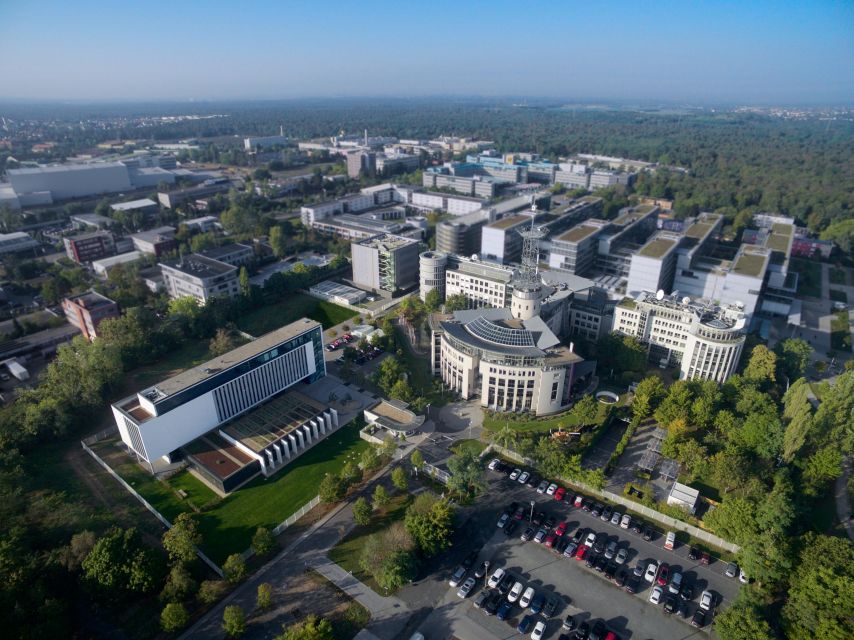
EUMETSAT is the European Organisation for the Exploitation of Meteorological Satellites. Its headquarters have been in Darmstadt since 1986. From this site, a network of meteorological satellites is operated continuously, day and night, every day of the year.
That detail changes the character of the tour. You are not simply looking at old spacecraft in a display hall. You are visiting an organization tied to an active international service. The information gathered by these satellites helps with daily weather forecasts, but its value reaches further. It also supports work on climate change and global warming.
I find that connection especially useful for families and students. The visit links three subjects that are often taught separately: weather, space technology, and climate science. A satellite is not just a machine in orbit. It is part of a chain that begins in space and ends with the forecast on your phone, along with longer-term data used to study the changing climate.
Other Frankfurt trips people book alongside this one:
- Frankfurt: River Main Sightseeing Cruise with Commentary
★ 4.3 · 5,127 reviews - Frankfurt: Hop-On, Hop-Off Grand or Express Bus Ticket
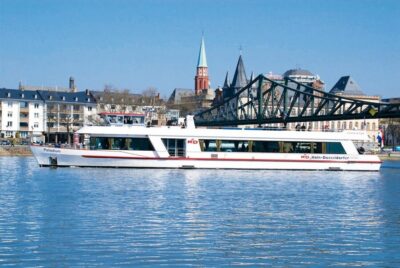
★ 3.9 · 2,088 reviews - Frankfurt: 1-Hour Panorama Boat Cruise on the river Main
★ 4.4 · 1,822 reviews
What the 1.5-hour tour is likely to show you
The experience begins at the visitors’ gate at EUMETSAT-Allee 1. From there, a guide leads the group through the site. The exact sequence of stops is not detailed, so you should think of this as a guided introduction to EUMETSAT rather than a self-directed museum visit.
The highlight is the collection of satellite models, including examples built at full size. Seeing a spacecraft in one-to-one scale gives you a better sense of the machinery than a photograph or small exhibit can. Satellite components that look modest in a picture can feel surprisingly large when you see their actual dimensions.
The models also give the guide something solid to explain. You can ask questions about the spacecraft and how satellite systems relate to weather observation. The tour description specifically emphasizes an informative guided experience, and the strongest praise focuses on the guide’s ability to answer questions clearly.
One German-language guide was praised for being highly engaged and able to respond to every question. That is useful information if you enjoy asking how things work rather than simply walking past displays. A second review also singled out the full-size satellite models as especially impressive and again praised the guide’s answers.
The 1.5-hour length is sensible for this type of visit. It gives you enough time for an organized explanation without turning the experience into an all-day technical seminar. Still, the tour will probably feel short if you want detailed lessons about satellite engineering, orbital mechanics, or climate science. The supplied information promises insight behind the scenes, but it does not promise access to every operational room or a technical training session.
The satellite models are the star attraction
I would make the models the center of your expectations. Their scale is the feature most likely to stay with you after the visit. Full-size hardware helps you picture the size, structure, and practical demands of a meteorological satellite in a way that diagrams cannot.
This is also where the tour should work well for mixed-age groups. A visitor who knows little about weather satellites can begin with the simple visual impact of the models. Someone with a stronger interest in science can use that starting point to ask more detailed questions.
The models are not described as historic objects or flight-tested spacecraft, so I would not book this expecting a traditional space museum collection. Their value is explanatory. They help show what the satellite side of weather forecasting looks like and give the guide a clear way to connect hardware with the data EUMETSAT handles.
That makes the visit different from a standard city attraction. You are not coming for a grand architectural interior or a long list of exhibits. You are coming for a short, guided look at a specialized European organization, with spacecraft models providing the visual anchor.
From satellite signals to climate records
The most important idea to listen for is the difference between weather and climate. Weather data helps produce the forecast for today or tomorrow. Long-term records help scientists examine patterns connected to climate change and global warming.
The information provided does not list every instrument or satellite service used by EUMETSAT, so I would avoid expecting a detailed technical breakdown of each sensor. Still, the tour offers a useful chance to understand why meteorological satellites matter to more than the next rain shower.
This wider role gives the visit more weight than a simple look at space equipment. EUMETSAT’s work supports daily life and longer scientific research at the same time. The same broad system that helps forecast weather also contributes data for studying changes over many years.
If you are interested in environmental issues, this connection is a strong reason to go. You get a concrete example of how international science organizations gather information that is too broad or continuous to collect from the ground alone. If your interest is purely in rockets and space travel, you may find the weather and climate focus less thrilling than a launch-themed attraction.
Something different for another day:
- Rhine Valley Castles: 1.5-Hour Boat Tour from Rüdesheim
★ 4.2 · 1,390 reviews - From Frankfurt: Rhine Valley Day Trip
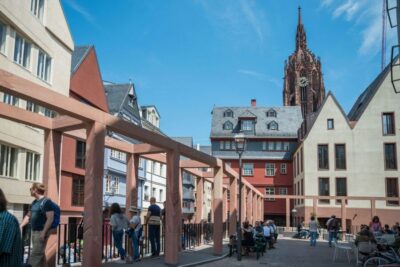
★ 4.4 · 1,317 reviews - Frankfurt: New Old Town and Highlights German-Language Tour
★ 4.7 · 1,316 reviews - Frankfurt Highlights English Walking Tour
★ 5.0 · 1,203 reviews
A working site, not a casual walk-in museum
The security process is a major part of planning. All participants must be pre-registered with Darmstadt Marketing, and the required information includes each person’s full name and nationality. This is not the sort of place where you can decide to wander in at the last minute.
Everyone aged 16 and over must carry a valid identity card. The access rules also specify a valid passport or identity card, so I would bring one of those documents even if you are younger than 16. A driving licence, residence permit, health insurance card, or similar document is not accepted as proof of identity.
At the entrance, identity documents are checked for authenticity and retained for the duration of your stay. You receive a visitor ID, which must be worn visibly during the tour. Your document is returned after the visit, and the supplied information says personal data is collected for a specific purpose and deleted after a certain period under German data protection rules.
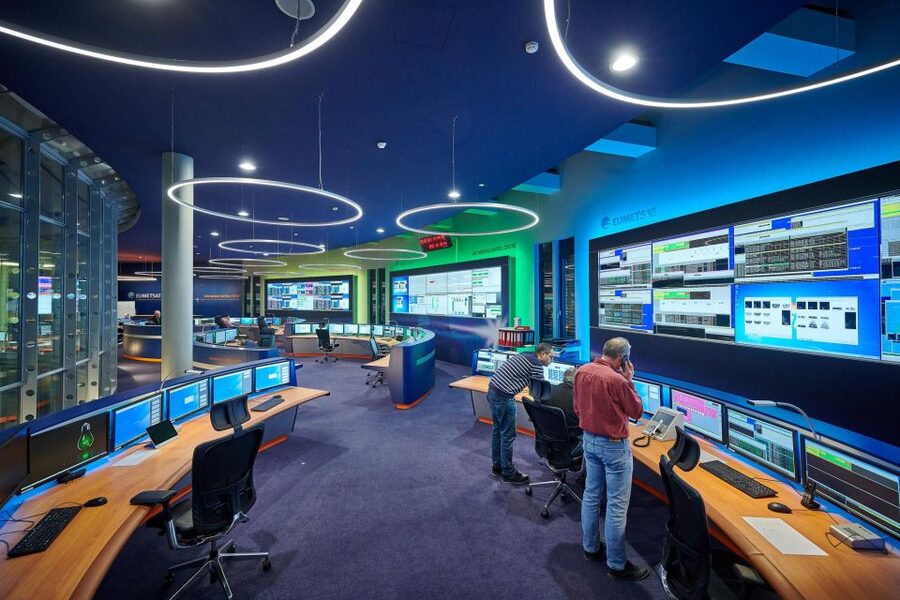
These rules may feel formal, but they fit the setting. EUMETSAT is an operating scientific organization, not an open public gallery. You must remain with the group, follow the security staff’s instructions, and avoid leaving the tour. Access can be refused or ended if someone behaves uncooperatively.
I would arrive prepared and patient. Bring your passport or national ID, but do not bring a large backpack or luggage. The rules also exclude baby carriages, which matters for families planning a day around the visit.
German language and outdoor comfort
The live tour guide speaks German. If you understand German, you should be able to follow the explanations and take part in questions. If you do not, you may find the experience harder to appreciate because the tour depends on spoken guidance rather than a self-guided display format.
The provided details do not promise an English tour, translation, or written materials in another language. I would contact the booking provider before reserving if language will determine your enjoyment. For German speakers, the language is no barrier. For others, the impressive models may still communicate something visually, but much of the scientific explanation could be missed.
Part of the tour takes place outdoors. Dress for the weather, even if the forecast looks harmless when you leave your hotel. Comfortable shoes and a suitable jacket are sensible choices, since you may spend time walking between areas of the site.
The venue is wheelchair accessible, which is an important advantage. Still, accessible does not mean fully indoors or free from weather concerns. Anyone who needs specific access arrangements should confirm the details before booking, especially since the tour follows a set group route.
Is $17 a fair price?
At $17 per person, I consider this a good value for a specialized guided visit. You receive a 1.5-hour tour with a live guide and access to a major European meteorological organization that is not an ordinary public attraction.
The value comes from rarity rather than quantity. You are not paying for a large museum with dozens of galleries and hours of entertainment. You are paying for a structured introduction to EUMETSAT, the chance to see full-size satellite models, and an explanation of how satellite data supports weather forecasting and climate research.
That price makes the visit easy to add to a Darmstadt itinerary if science and technology are priorities. It is less compelling if you want a flexible attraction where you can arrive at any time, move at your own speed, or choose from several languages. The advance registration and identity checks also mean the tour requires more preparation than a normal museum visit.
Flexible booking terms help reduce the risk. You can cancel up to 24 hours in advance for a full refund, and the reserve-now, pay-later option lets you hold a place without paying immediately. Those features are useful when your schedule in Hessen is still taking shape, though you still need to meet the registration and identification requirements.
Who will enjoy the EUMETSAT visit most?
I would recommend this experience to:
- Science and technology fans who want something more specialized than a general museum.
- Space enthusiasts who enjoy seeing spacecraft at full scale, even when the focus is weather rather than human spaceflight.
- Students aged 12 and above with an interest in physics, earth science, environmental studies, or engineering.
- German-speaking families looking for a compact educational activity.
- Visitors staying in Darmstadt who want to explore the city’s role in European science and research.
I would be more cautious if you are traveling with children under 12, since they cannot join the guided tour. I would also think twice if you need an English-language experience, dislike fixed group visits, or prefer attractions with no security formalities.
The tour is likely strongest for people who enjoy asking questions. The positive comments about the guide’s answers suggest that curiosity is rewarded. You should arrive with a few things you want to understand, such as how satellite data becomes a forecast or why long-term satellite records matter for climate study.
Practical advice before you reserve
First, check the starting time and allow enough time to reach EUMETSAT-Allee 1. The meeting point is the visitors’ gate, not a general city-center landmark.
Second, complete the registration details carefully. Every participant must be pre-registered with full name and nationality. A mismatch between your booking information and identity document could create an avoidable problem at security.
Third, pack lightly. Large bags, luggage, and large backpacks are not allowed. Baby carriages are also not permitted, so families with young children need another plan, and children under 12 cannot attend the tour in any case.
Finally, check the weather. Since part of the visit takes place outdoors, a light coat or rain protection may make the difference between enjoying the explanations and simply waiting for the tour to end.
Should you book the Darmstadt EUMETSAT tour?
Book it if you want a close look at the science behind weather forecasts and climate data, and if full-size satellite models sound more exciting than another ordinary city attraction. The combination of an active European organization, a German-speaking guide, and one-to-one satellite models gives the visit a clear purpose.
I would especially choose it for a German-speaking adult or family with children aged 12 and above. At $17, the price is reasonable for 1.5 hours of guided access. Skip it if you need an English tour, cannot manage the strict ID rules, or want a relaxed walk-in attraction. For the right audience, EUMETSAT offers a rare and practical look at how space technology helps us understand the weather above our heads and the climate changes taking place below.
FAQ
Where is the EUMETSAT tour held?
The meeting point is the visitors’ gate at EUMETSAT-Allee 1 in Darmstadt, Hessen, Germany.
How long does the guided visit last?
The tour lasts 1.5 hours.
How much does the experience cost?
The listed price is $17 per person.
What language is the tour conducted in?
The live guided tour is conducted in German.
What is the minimum age?
Participants must be at least 12 years old. Children under 12 are not suitable for this tour.
What identification must I bring?
You must bring a valid passport or identity card. Driving licences, residence permits, health insurance cards, and similar documents are not accepted as proof of identity.
What happens to my identity document during the tour?
Security staff check the document for authenticity and retain it for the duration of your stay. A visitor ID must be worn visibly during the visit.
Do I need to register before attending?
Yes. All participants must be pre-registered with Darmstadt Marketing using each person’s full name and nationality.
Can I bring a large bag or baby carriage?
No. Large bags, luggage, large backpacks, and baby carriages are not allowed.
Is the tour wheelchair accessible?
Yes, the experience is listed as wheelchair accessible. Part of the guided tour takes place outdoors, so you should also dress for the weather.
Can I cancel my reservation?
Yes. You can cancel up to 24 hours in advance for a full refund.
Can I reserve now and pay later?
Yes. The reserve-now, pay-later option allows you to book a spot without paying at the time of reservation.
Just added around Frankfurt
- Wiesbaden Biebrich: Outdoor Escape Game★ 4.7 · 13 reviews
- from Frankfurt – romantic Black Forest & brewery, private tour★ 5.0 · 13 reviews
- Frankfurt : Highlights & hidden Gems Private Walking Tour★ 4.6 · 13 reviews
- Discover the Heart of Frankfurt – City Tour in German★ 5.0 · 13 reviews
- From Frankfurt: Heidelberg and Rothenburg Guided Day Trip★ 5.0 · 14 reviews
- Private German Beer Tasting Experience in Frankfurt Old Town★ 5.0 · 14 reviews
- Frankfurt: Old Town Crime Mystery Game★ 4.3 · 14 reviews
- Mainz Highlights, private walking tour★ 4.9 · 15 reviews
Frankfurt Tours, compared.
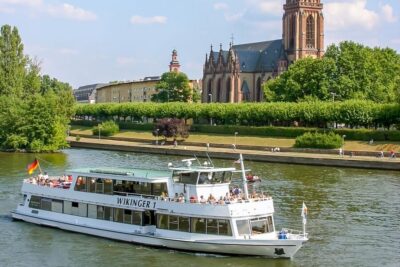
River Main Sightseeing Cruise with Commentary
Read our review →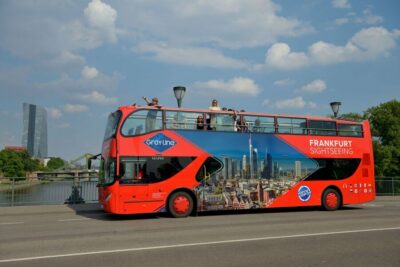
1-Hour Panorama Boat Cruise on the river Main
Read our review →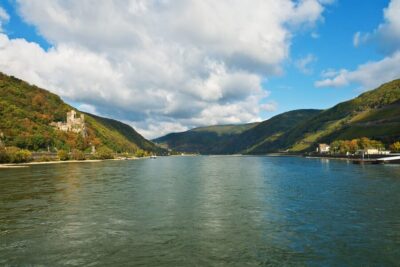
Rhine Valley Castles: 1.5-Hour Boat Tour from Rüdesheim
Read our review →
New Old Town and Highlights German-Language Tour
Read our review →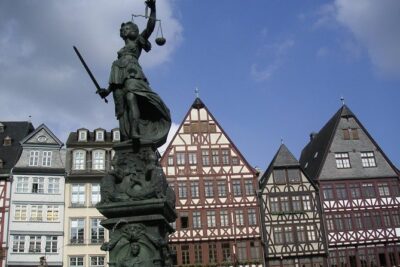
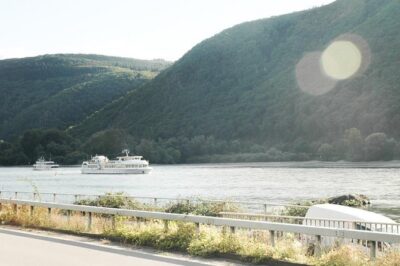
Rhine Valley Trip from Frankfurt including Rhine River Cruise
Read our review →Browse the lists this tour appears in