
Reviewed · FRANKFURT TOURS
Darmstadt: Mathildenhöhe UNESCO Site Guided Visit
Modern design began here. This 90-minute visit brings together Mathildenhöhe Darmstadt’s studio, exhibition building, artists’ houses, and park, showing how one artistic community helped change architecture around 1900. I like the way the tour covers the full ensemble rather than focusing on one building, and I like the human stories behind the architecture, including the personal details that guide Frau Gerhardt uses to explain the artists’ work. The main drawback is clear: the tour is generally in German, with English offered only on Saturdays at 2 p.m.
You pay $17 per person for a guided look at a UNESCO World Heritage site, which is fair value if you care about architecture, design, or European cultural history. The tour is also wheelchair accessible, and free cancellation up to 24 hours before the start gives you some breathing room when planning your day in Hessen.
In This Review
- Key points before you book
- Why Mathildenhöhe matters to modern architecture
- Starting at the Museum Künstlerkolonie entrance
- The studio building and the idea of an artists’ colony
- The exhibition building and the public face of Mathildenhöhe
- Artists’ houses and the human side of the project
- The park ties the buildings together
- What the 90-minute schedule feels like
- Is $17 good value?
- How the guide changes the experience
- Who should book this Mathildenhöhe tour?
- Should you book the guided visit?
- FAQ
- Where does the Mathildenhöhe guided visit begin?
- How long does the tour last?
- What does the tour include?
- Is the tour offered in English?
- What is the price?
- Is the tour wheelchair accessible?
- Can I cancel for a full refund?
- Can I reserve now and pay later?
Key points before you book
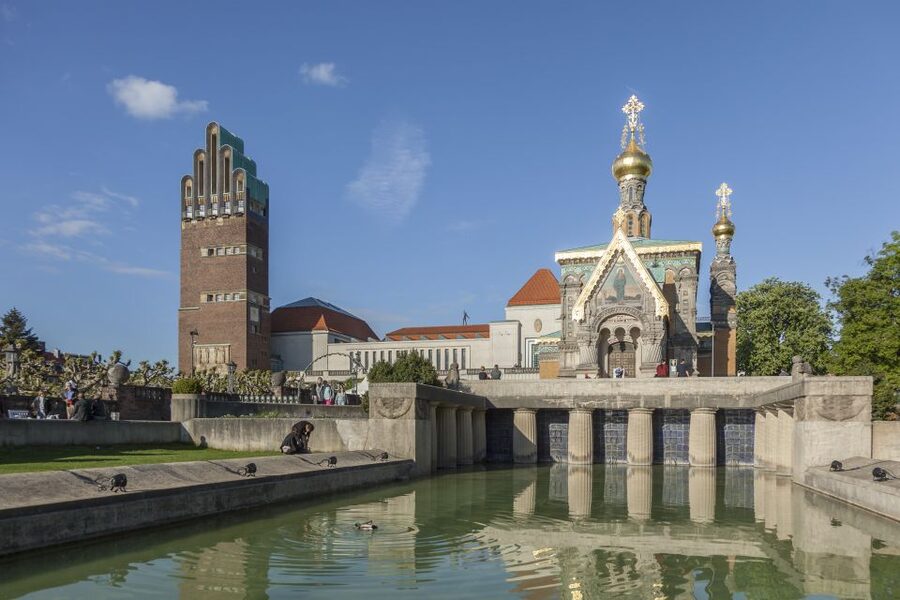
- The complete Mathildenhöhe ensemble: You visit the studio building, exhibition building, artists’ houses, and park as parts of one planned artistic project.
- A turning point in modern design: The tour explains how Darmstadt helped move architecture and art toward the modern age at the start of the 20th century.
- A 90-minute format: The length is long enough for context, yet short enough to fit into a wider day in Darmstadt.
- English is limited: Only the Saturday 2 p.m. tour is in English. Other scheduled tours are generally in German.
- Strong guide-led storytelling: Frau Gerhardt has been praised for lively explanations, professional delivery, and stories about the artists’ relationships and motives.
- A reasonable $17 price: The cost is especially sensible if you want the site explained instead of simply walking around and guessing at its meaning.
Why Mathildenhöhe matters to modern architecture
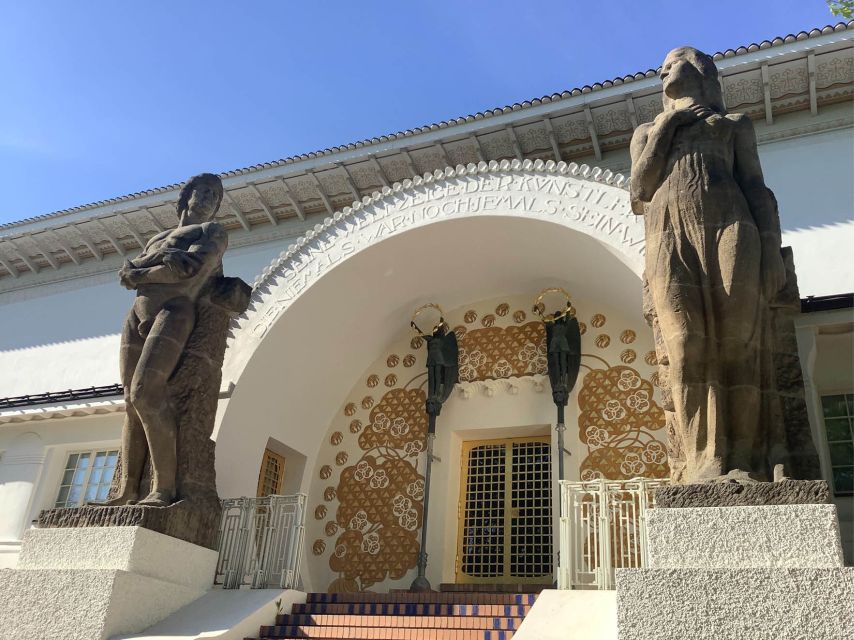
Mathildenhöhe is more than a collection of attractive buildings. It was conceived as a united artistic project, an effort to shape an entire way of living through architecture, interiors, art, and open space.
The guiding idea is summed up by architect Joseph Maria Olbrich: A city we must build, a whole city. That phrase helps you understand the ambition behind the site. The artists were not working on isolated houses for their own sake. They were testing how a new artistic language might shape a complete community.
The project belongs to the period around the turn of the 20th century, when artists and architects were moving away from older historical styles. In Germany, this period is often linked with Jugendstil, the German form of Art Nouveau. Mathildenhöhe shows that change in built form, not just in a museum display.
I find the site especially useful for understanding the connection between art and daily life. The buildings were not simply decorated from the outside. The whole ensemble reflects a desire to bring design into homes, exhibitions, public space, and the working lives of artists.
That larger idea is why a guided visit helps. Without context, you may notice unusual shapes, ornament, and carefully arranged buildings. With a guide, you can see how those pieces fit together as a deliberate statement about the future.
A few more tours and experiences worth a look
- From Frankfurt: Heidelberg, Castle and Old City Guided Tour
★ 4.5 · 677 reviews - From Frankfurt: Day Tour to Heidelberg with Local Guide
★ 4.8 · 250 reviews - Frankfurt: Guided Bike Tour
★ 4.8 · 195 reviews
Starting at the Museum Künstlerkolonie entrance
The meeting point is the north entrance to the Museum Künstlerkolonie at Olbrichweg 13A. This is the place to get organized before the 90-minute visit begins.
Because the tour takes place outdoors as well as around the buildings, arrive ready to move between several parts of the Mathildenhöhe ensemble. The supplied information does not give a precise walking route or group size, so I would avoid treating this as a tightly scripted museum talk. It is better understood as a guided interpretation of a historic site.
The starting point also makes sense thematically. The Museum Künstlerkolonie is closely tied to the artists’ colony story, and the visit uses the wider area to explain how the site developed as one artistic undertaking.
You should check the language before booking. German is the normal language for the tour. The only English-speaking option listed is Saturday at 2 p.m. That detail matters far more than the low price. An inexpensive tour is not good value if you cannot follow the explanation.
The studio building and the idea of an artists’ colony
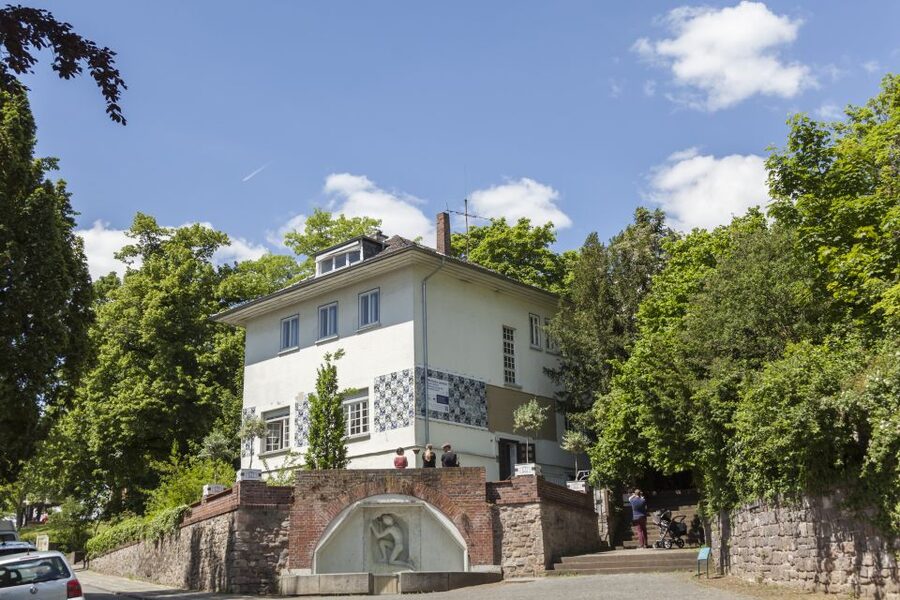
The studio building is one of the core parts of the Mathildenhöhe story. It represents the working side of the project, where artistic production was given a physical home.
The tour explains the ensemble through this building and the surrounding artists’ houses, rather than treating the architecture as a set of unrelated sights. I like that approach because it links the public image of the colony with the work that made the project possible.
You can expect the guide to place the studio building within the wider plan for Mathildenhöhe. The important point is not just what the structure looks like, but why a working artists’ colony needed a central architectural identity.
This is also where the personal stories can make a difference. The strongest praise for Frau Gerhardt focuses on her ability to explain the artists as people, including relationships and personal circumstances that shaped their work. That sort of detail can turn a formal architecture tour into a more readable account of ambition, disagreement, collaboration, and creative pressure.
You should not expect a long workshop demonstration or a separate hands-on activity. The value comes from seeing the setting and hearing how the artists’ work fit into the larger project.
The exhibition building and the public face of Mathildenhöhe
The exhibition building represents another side of the ensemble. If the studio suggests production, the exhibition building suggests presentation: art and architecture placed before the public as a statement about new ideas.
The guided visit tells the story of the entire site, including this building. That matters because exhibitions were central to how new artistic movements gained attention. An exhibition building could gather architecture, decorative work, and artistic ideas in one place, making the project easier for the public to see and judge.
I would pay close attention to how the guide connects the exhibition building with the artists’ houses. The buildings are not simply different stops. Together, they show how the colony tried to present a complete artistic program.
The site marks a change in architecture and art at the threshold of the 20th century. That phrase can sound grand, but the tour’s job is to make it concrete. Look for the ways the ensemble communicates a break with older conventions and a desire for a new visual language.
The building is also likely to appeal to visitors who are less interested in technical architecture. Exhibitions are about communication, and the guide’s explanation helps show how the colony wanted its ideas to reach beyond the architects themselves.
Something different for another day:
- Frankfurt: River Main Sightseeing Cruise with Commentary
★ 4.3 · 5,127 reviews - Frankfurt: Hop-On, Hop-Off Grand or Express Bus Ticket
★ 3.9 · 2,088 reviews - Frankfurt: 1-Hour Panorama Boat Cruise on the river Main
★ 4.4 · 1,822 reviews - Rhine Valley Castles: 1.5-Hour Boat Tour from Rüdesheim
★ 4.2 · 1,390 reviews
Artists’ houses and the human side of the project
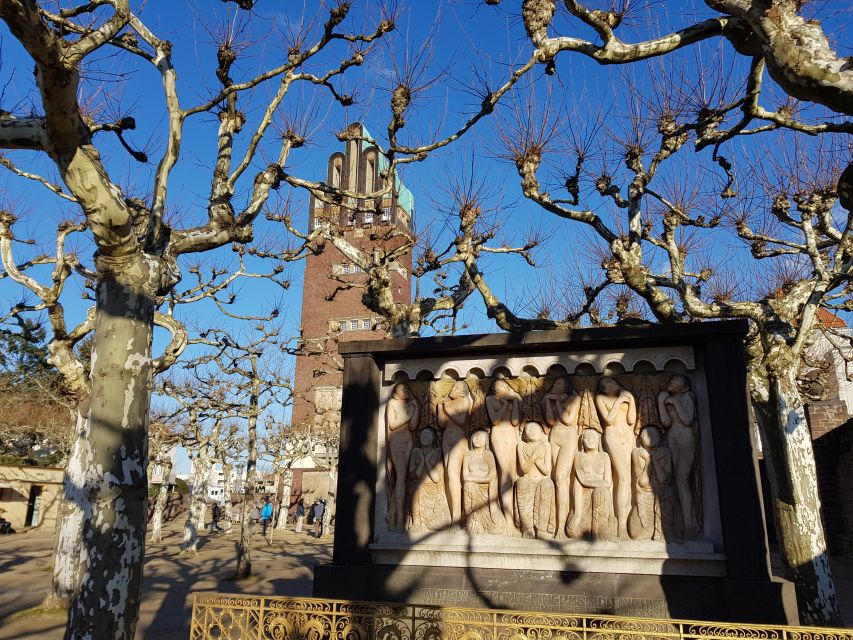
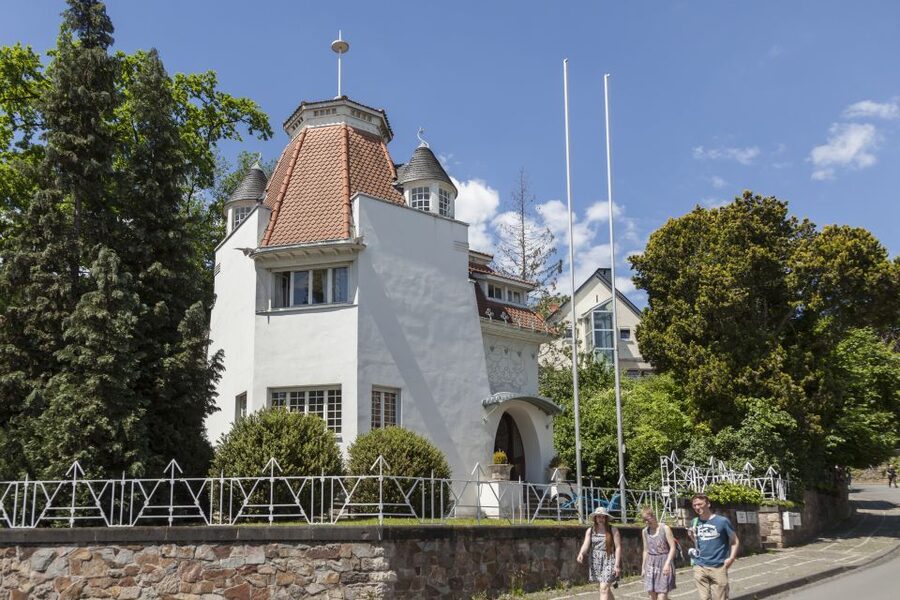
The artists’ houses are where the Mathildenhöhe concept becomes most personal. A house is not only a design object. It suggests how an artist wanted to live, work, and present an identity.
The tour uses these homes to explain the ensemble’s story. You can expect the guide to discuss them as part of the artistic colony, not as ordinary residential buildings. Their value lies in the relationship between private life and public artistic purpose.
This is also the portion of the visit where individual stories matter most. A short note about an artist’s relationships or the conditions behind a design can change how you read a façade. Instead of seeing decoration as a surface, you begin to ask what the artist was trying to express.
Frau Gerhardt received especially warm praise for this human approach. Her storytelling was described as lively, with personal background that helped explain what influenced the artists’ work. For me, that is one of the best reasons to choose a guided visit rather than a solo walk.
Keep your expectations practical. The supplied information does not promise entry into every artists’ house or a detailed tour of every interior. The tour is described as covering the ensemble, so the emphasis may be on the site’s overall story and visible architecture. If seeing specific interiors is important to you, confirm what is open on your date.
The park ties the buildings together
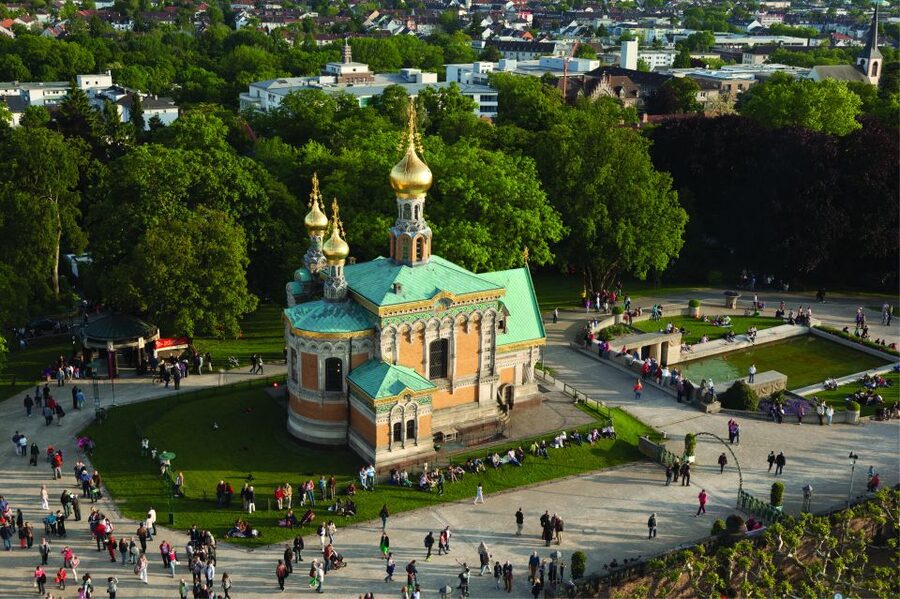
The park is another essential part of the visit. Mathildenhöhe was planned as an ensemble, and the open space helps you understand the relationship between its buildings.
A park can look like a pause between architectural stops, but here it is part of the design story. It gives you changing views of the structures and helps you see how the site works as a whole. From one building, you may notice proportions or relationships that are harder to grasp when standing directly in front of a single façade.
The guide’s interpretation is useful here because the park is easy to treat as background scenery. Instead, you can consider how buildings, paths, open areas, and artistic ideas were arranged together.
The outdoor portion also means you should dress for the weather. That is a simple point, but a 90-minute visit feels different on a cold or wet day. The tour is wheelchair accessible, though the information does not give detailed notes about every surface, slope, or restroom. If you need highly specific access details, contact the provider before booking.
What the 90-minute schedule feels like
Ninety minutes is a sensible length for Mathildenhöhe. The site has enough material to reward explanation, but the visit does not demand half a day from your itinerary.
I like this format for a first visit. You get a guided framework for the studio building, exhibition building, artists’ houses, and park. Afterward, you can decide if one part deserves more of your own time.
The tour should suit you if you prefer a clear story over a pile of dates and names. The strongest feedback points to guides who explain the buildings with energy and connect them to the artists’ lives. That kind of delivery is especially helpful when the architecture is unfamiliar.
The main time issue is the English schedule. If you need English, Saturday at 2 p.m. is the listed choice. That may not fit neatly into your Darmstadt plans, so check availability before you arrange the rest of the day.
If you understand German, you have more flexibility because the tour is generally offered in German. The German-language visit with Frau Gerhardt received particular praise for its clear explanations and engaging storytelling.
Is $17 good value?
At $17 per person, this is a modestly priced cultural tour. I consider it good value if the guide gives you the context you need to understand Mathildenhöhe as a planned artistic experiment.
A self-guided visit may show you the buildings, but it may not explain why the site mattered at the turn of the century or how the different parts belong together. The tour’s price pays for that connection, along with a fixed 90-minute structure.
The value is strongest for:
- Architecture and design fans
- Visitors interested in Jugendstil or Art Nouveau
- People who enjoy UNESCO cultural sites
- First-time visitors to Mathildenhöhe
- Anyone who prefers stories about artists and their lives
- Visitors with only a short period available in Darmstadt
The value is weaker if you only want a quick photo stop, dislike guided pacing, or cannot attend a tour in German. The English option is narrow, and language can determine whether you get the benefit you are paying for.
A current score of 4.7 out of 5 from 124 ratings supports the idea that the tour usually delivers a strong experience. The most consistent praise centers on guide quality: competence, professionalism, enthusiasm, and engaging explanations.
How the guide changes the experience
The guide is the main reason to choose this activity instead of simply visiting Mathildenhöhe independently. Buildings from the early modern period can be visually striking but difficult to place in context.
A good guide answers the questions you may not think to ask. Why were these buildings created together? Why did artists need a colony? What did the project say about architecture at the time? How did personal relationships and creative influences shape the final work?
The feedback about Frau Gerhardt is unusually specific. She was praised for taking visitors into the history of each building through lively storytelling, while also explaining personal details among the artists. That combination is useful because it links design decisions to human motives without turning the visit into a dry lecture.
Other ratings describe the guide as extremely professional and highly engaged. One short response simply called the tour interesting, while another recommended it. Taken together, the picture is of a dependable, guide-centered experience rather than a passive walk around a historic site.
Guide quality can vary from one departure to another, of course. Still, the activity’s strongest feature is clearly its interpretation, so I would book it for the explanation rather than expecting an elaborate performance or a long list of interior visits.
Who should book this Mathildenhöhe tour?
I would recommend this visit to you if you want to understand why Mathildenhöhe is recognized as a UNESCO World Heritage site. It is a good match for travelers who like architecture but want the human and historical background explained in plain terms.
It also suits a short city visit. The 90-minute duration leaves room for other plans, while still giving you a structured look at the whole ensemble.
Families with older children may find the personal stories more approachable than a technical architecture lecture. Art students, design fans, and visitors interested in the transition into modern architecture should find plenty to think about.
I would hesitate if you need a fully English schedule, since the listed English tour is only Saturday at 2 p.m. I would also hesitate if your interest is limited to one specific interior or a long museum visit, because the tour is designed to cover the complete Mathildenhöhe site.
Should you book the guided visit?
Book it if you want Mathildenhöhe to make sense, not just look unusual. The $17 fee is reasonable for a 90-minute introduction to the studio building, exhibition building, artists’ houses, and park, especially when the guide adds the personal stories that explain the artists’ choices.
Choose the Saturday 2 p.m. departure if you need English. If you speak German, you have more options and may benefit from the same lively style praised in the visit led by Frau Gerhardt.
Skip it only if the timing or language does not work for you, or if you prefer to explore at your own pace without a guide. For most architecture-minded visitors, this is a practical, focused way to understand why Darmstadt’s Mathildenhöhe helped point art and architecture toward the modern age.
FAQ
Where does the Mathildenhöhe guided visit begin?
The meeting point is the north entrance to the Museum Künstlerkolonie at Olbrichweg 13A in Darmstadt.
How long does the tour last?
The guided visit lasts 90 minutes, or one and a half hours.
What does the tour include?
It explains the full Mathildenhöhe UNESCO World Heritage ensemble, including the studio building, exhibition building, artists’ houses, and park.
Is the tour offered in English?
The tour is generally conducted in German. The listed English-speaking tour takes place on Saturdays at 2 p.m.
What is the price?
The price is $17 per person.
Is the tour wheelchair accessible?
Yes, the activity is listed as wheelchair accessible.
Can I cancel for a full refund?
Yes. You can cancel up to 24 hours in advance for a full refund.
Can I reserve now and pay later?
Yes. The activity allows you to reserve your place and pay later, so you do not need to pay at the time of booking.
Just added around Frankfurt
- Wiesbaden Biebrich: Outdoor Escape Game★ 4.7 · 13 reviews
- from Frankfurt – romantic Black Forest & brewery, private tour★ 5.0 · 13 reviews
- Frankfurt : Highlights & hidden Gems Private Walking Tour★ 4.6 · 13 reviews
- Discover the Heart of Frankfurt – City Tour in German★ 5.0 · 13 reviews
- From Frankfurt: Heidelberg and Rothenburg Guided Day Trip★ 5.0 · 14 reviews
- Private German Beer Tasting Experience in Frankfurt Old Town★ 5.0 · 14 reviews
- Frankfurt: Old Town Crime Mystery Game★ 4.3 · 14 reviews
- Mainz Highlights, private walking tour★ 4.9 · 15 reviews
Frankfurt Tours, compared.
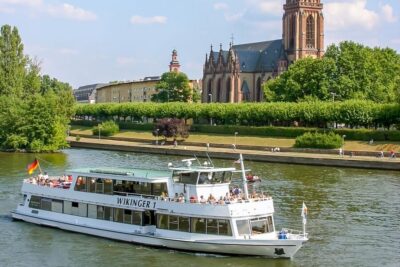
River Main Sightseeing Cruise with Commentary
Read our review →
1-Hour Panorama Boat Cruise on the river Main
Read our review →
Rhine Valley Castles: 1.5-Hour Boat Tour from Rüdesheim
Read our review →
New Old Town and Highlights German-Language Tour
Read our review →
Rhine Valley Trip from Frankfurt including Rhine River Cruise
Read our review →Browse the lists this tour appears in