
Reviewed · FOOD & DRINK
Wiesbaden: Sparkling Winemaking Tour with 3-Glass Tasting
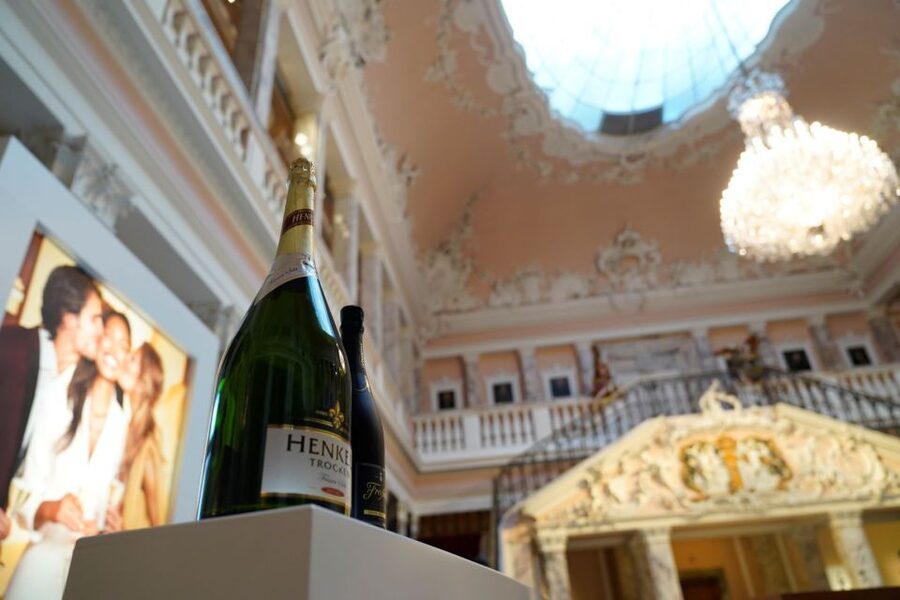
Bubbles have a cellar story. This two-hour visit to Henkell Freixenet in Wiesbaden turns a familiar celebratory drink into something you can understand, from selected grapes and bottle fermentation to the careful removal of yeast. I especially like the grand marble hall at the headquarters and the chance to watch disgorging before tasting three sparkling wines. The main drawback is practical: you must manage 90 steps without an elevator, so this is not suitable for wheelchair users or people with mobility impairments.
The tour costs about $34 per person, which is fair if you enjoy wine and want more than a quick tasting. You get a guide, the production tour, and three glasses of sparkling wine, including a freshly disgorged premium sample in its natural form. The tour is conducted in German, and children under 16 cannot join.
In This Review
- Key points at a glance
- Starting in Wiesbaden’s marble hall
- From selected grapes to sparkling wine
- Seeing the production process up close
- The disgorging demonstration
- Three glasses with a reason behind them
- Is $34 a good value?
- The 90 steps you need to plan for
- Who will enjoy this Henkell Freixenet visit?
- Practical verdict: should you book it?
- FAQ
- Where does the Henkell Freixenet tour take place?
- How long does the tour last?
- How much does the tour cost?
- What is included in the ticket?
- Which languages are available?
- What sparkling wines are discussed?
- Do you see disgorging during the visit?
- Are there age restrictions?
- Is the tour accessible for wheelchair users?
Key points at a glance
- The marble hall makes a memorable entrance: Henkell Freixenet’s headquarters begins the visit with an impressive architectural setting rather than a plain meeting room.
- Disgorging is the star demonstration: You see how frozen yeast is separated from the wine at the neck of the bottle.
- The tasting has a clear purpose: Three sparkling wines let you connect the production methods with what ends up in your glass.
- The tour covers several wine styles: You learn about sekt, cava, champagne, and Crémant, not only one German product.
- The language is German: Make sure you are comfortable following a live German guide for the full two hours.
- The stairs matter: Ninety steps lead down and up again, with no elevator available.
Starting in Wiesbaden’s marble hall
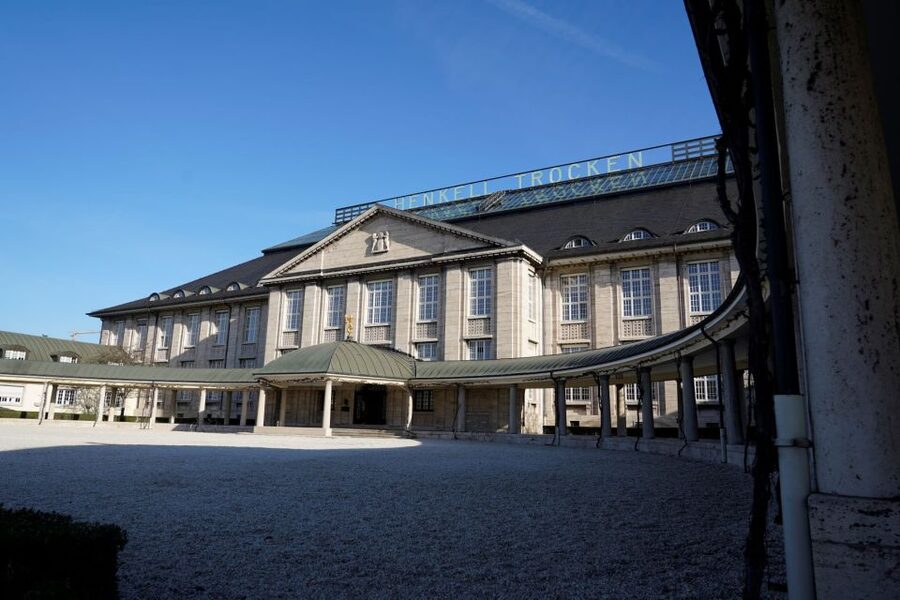
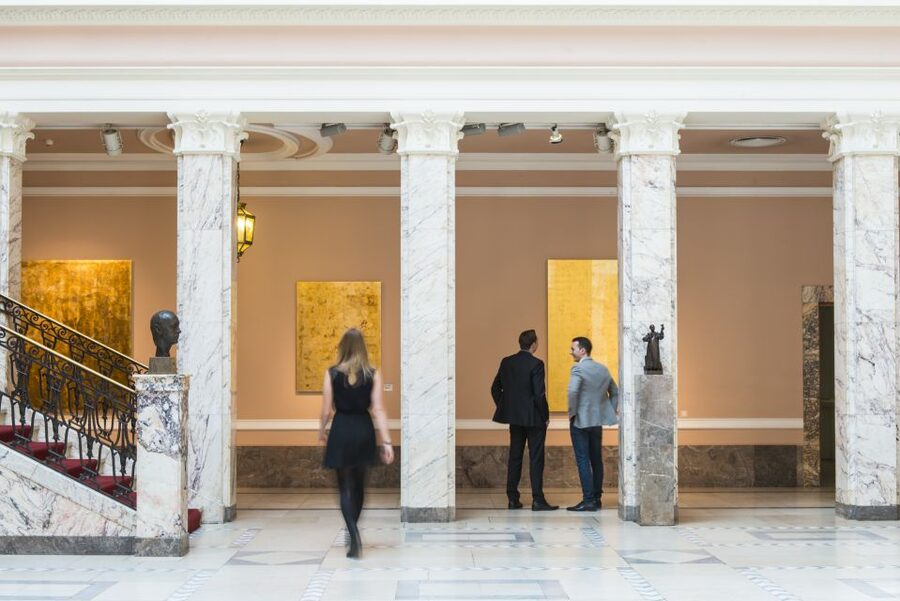
The tour begins at the Henkell Freixenet premises in Wiesbaden, in the company’s striking marble entrance hall. This is more than a place to check in. It gives the visit a sense of occasion before you hear a single explanation about wine.
I like this opening because it sets the tone without needing decoration or theatrics. Sparkling wine is often presented as a party drink, but the grand hall reminds you that it also belongs to an old European tradition of careful production, presentation, and ceremony.
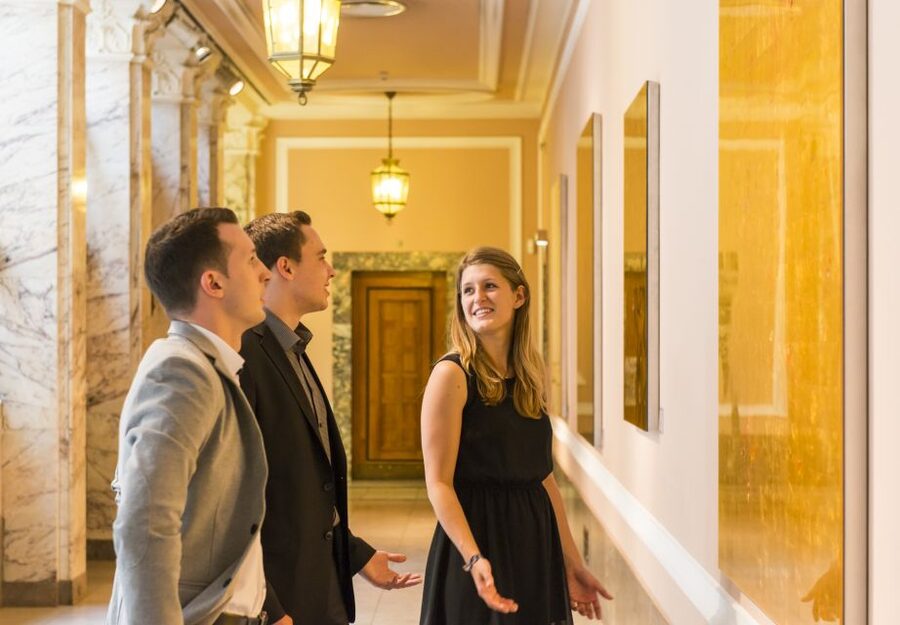
One recent participant called the entrance hall something you simply must see. That reaction makes sense. If you are choosing between a standard bar tasting and a production visit, this architectural setting adds something you cannot get from a bottle shop or restaurant.
You meet the guide at the company premises, then begin a guided look at traditional bottle fermentation. The tour lasts two hours, so you have enough time for explanation, production details, and tasting without rushing from one stop to the next.
The guide speaks German. That is an important point to consider before booking. The subject includes technical steps, and the value of the tour depends heavily on understanding the explanations. If your German is limited, you may still enjoy the sights and tasting, but you should not expect an English-language presentation.
More Food Tours in Frankfurt
- Heidelberg and Rhine Valley Day Trip With Wine Tasting and Dinner from Frankfurt
★ 3.5 · 101 reviews - Rhine Valley Wine Tasting Tour from Frankfurt and Mainz
★ 5.0 · 87 reviews - Sharing Plate Food Tour In Frankfurt
★ 4.0 · 74 reviews
From selected grapes to sparkling wine
The first main part of the visit explains how selected grapes become sparkling wine. You learn about the methods used for different styles, including German sekt, cava, champagne, and Crémant.
That comparison gives the tour more substance than a simple introduction to one producer. You get a basic framework for understanding why sparkling wines from different places can taste and behave differently, even though they share the familiar combination of wine and bubbles.
The focus is on traditional bottle fermentation methods. The precise process matters because the wine spends time developing in the bottle, and the later removal of yeast is not a quick afterthought. It is one of the key steps that separates traditional production from simpler ways of adding carbonation.
I find this especially useful for anyone who usually orders sparkling wine without thinking about how it was made. After the tour, terms such as sekt, cava, champagne, and Crémant have more meaning. You can listen for the production method rather than treating every sparkling wine as the same drink with a different label.
The explanations can be quite detailed. One person found them very easy to understand but occasionally a little too much like a classroom lesson. That is a fair warning. If you prefer a fast-paced tasting with little technical information, parts of this tour may feel formal. If you enjoy knowing why a process works, the teaching style is likely a strength.
Seeing the production process up close
The tour then takes you through various stages of sparkling wine production. The supplied details do not promise that every working area or machine will be open during every visit, so you should think of this as an educational look at the process rather than a guarantee of constant factory action.
That distinction matters. A production facility can be fascinating even when the main benefit is seeing how each stage fits together. The guide helps connect the equipment and procedures to the finished wine in your glass.
The best part is the link between method and taste. You do not only hear that bottle fermentation involves yeast and careful handling. You also see one of the most important finishing steps and then taste a wine that has just gone through it.
This approach works well because sparkling wine production is not always easy to understand from a label. The tour gives you a physical sequence: grapes, fermentation, bottle handling, yeast removal, and tasting. You leave with a clearer picture of why the final bottle costs more than a basic carbonated wine.
The company also offers a useful point of comparison across its sparkling wine portfolio. One German participant was particularly interested in how many companies belong to the Henkell Freixenet group and named Mionetto as a personal favorite. That does not mean Mionetto is part of every tasting, so do not book expecting a particular brand. It does show that the visit can appeal to people who already have strong preferences among sparkling wine styles.
The disgorging demonstration
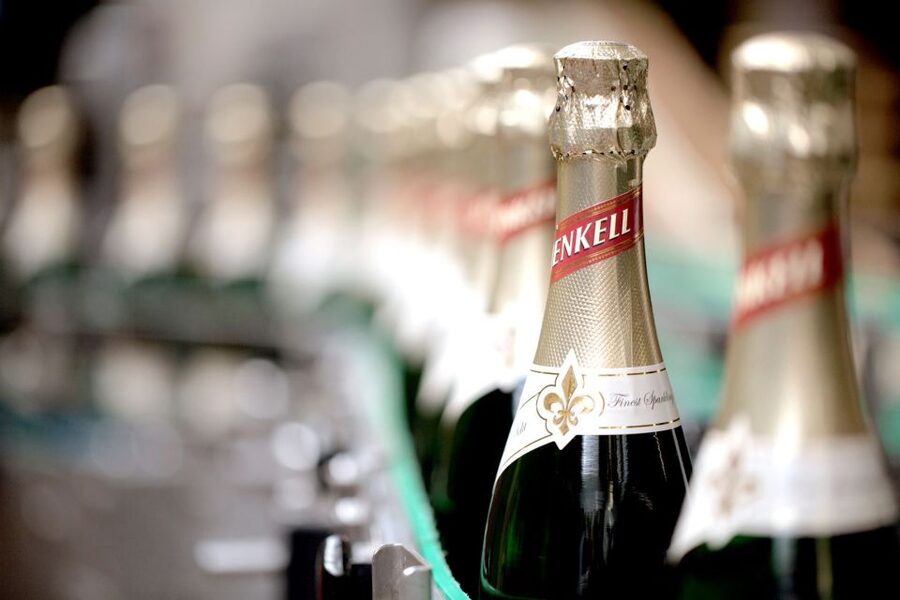
Disgorging is the tour’s most distinctive moment. During this process, yeast and liquid are separated from the bottle. You see how the yeast freezes in the neck of the bottle, allowing it to be removed with greater control.
This sounds technical, but it is easy to appreciate once you see the basic idea. The bottle has to be handled in a way that removes the unwanted yeast while preserving the wine. That small operation helps explain why traditional sparkling wine production calls for patience and precision.
I would pay close attention here, even if you are less interested in production details. Many tastings simply pour the finished product and leave the method invisible. This demonstration gives you a concrete image to remember the next time you open a bottle of sparkling wine.
You then taste the freshly disgorged premium sparkling wine in its natural form. That makes the demonstration more than a visual trick. The tasting follows directly from the process, giving you a chance to connect what you saw with the character of the wine.
The phrase natural form should not be read as a promise that this is an unaltered final bottle in every sense. The important point is that you taste the sparkling wine after the disgorging stage, as part of the guided presentation. It is a rare chance to sample the product at a specific point in its production.
Something different for another day:
- Frankfurt: River Main Sightseeing Cruise with Commentary
★ 4.3 · 5,127 reviews - Frankfurt: Hop-On, Hop-Off Grand or Express Bus Ticket
★ 3.9 · 2,088 reviews - Frankfurt: 1-Hour Panorama Boat Cruise on the river Main
★ 4.4 · 1,822 reviews - Rhine Valley Castles: 1.5-Hour Boat Tour from Rüdesheim
★ 4.2 · 1,390 reviews
Three glasses with a reason behind them
The tasting includes three different sparkling wines. This is a sensible number for a two-hour tour. You get enough comparison to notice differences, but not so much that the tasting becomes a parade of nearly identical pours.
The three glasses also complete the lesson. You have heard about production methods and watched disgorging, then you can assess the results for yourself. I like this structure because it gives the tasting a purpose beyond simply providing drinks included in the ticket.
You may find that one style suits you more than another. The tour discusses sekt, cava, champagne, and Crémant, while the exact wines served can vary. Since no fixed tasting list is provided, you should treat the selection as a chance to compare rather than a promise of a named vintage or brand.
For wine lovers, three samples can justify much of the $34 price. You are paying not only for the wine but also for access to the facility, the guide, and the production demonstration. For someone who only wants a glass of bubbly, a wine bar will be cheaper and more flexible.
The tasting also makes this a good activity for an afternoon in Wiesbaden when you want something connected to the city’s local identity. It is not a broad sightseeing tour, and it will not replace the city’s other attractions. It is a focused visit for people who enjoy learning how a drink is made.
Is $34 a good value?
At $34 per person, I consider the tour reasonably priced. The ticket includes entry, a live guide, the two-hour visit, and three glasses of sparkling wine. The marble hall and disgorging demonstration add experiences that you would not receive from a casual tasting alone.
The value is strongest for three kinds of people:
- You already like sparkling wine and want to understand production.
- You enjoy industrial or food-related tours with a tasting at the end.
- You are spending time in Wiesbaden and want a structured local activity lasting two hours.
The value is weaker if you are not interested in wine. The tour is not designed as a general introduction to Wiesbaden, and there is no indication that it includes a wider city tour or transport.
A second consideration is the German-only guide. If you cannot follow German comfortably, some of what you are paying for will be difficult to use. The visuals, architecture, and tasting still have appeal, but the technical explanations are central to the visit.
Flexible booking helps if your schedule is uncertain. You can reserve now and pay later, and cancellation is available up to 24 hours before the activity for a full refund. Check the available starting times when you book, since the two-hour duration does not mean the tour runs at every hour.
The 90 steps you need to plan for
The biggest practical issue is the staircase. The activity involves walking down and up 90 steps, and there is no elevator.
This rules out the tour for wheelchair users and people with mobility impairments. It also deserves attention from anyone who can manage stairs but dislikes long stair sections. The difficulty is not hidden in the fine print of the day itself, so plan honestly before reserving.
Wear comfortable shoes and leave enough energy for the return climb. That is simple advice, but it matters more here than what you wear for the tasting. The marble hall may encourage polished city clothing, yet the stairs are the part of the visit that will affect your comfort.
The activity is also limited to people aged 16 and over. This makes sense for a tour built around sparkling wine tasting, but families with younger children need another plan.
Who will enjoy this Henkell Freixenet visit?
I would recommend it most to adults who enjoy sparkling wine, German-language cultural activities, and behind-the-scenes production. You do not need to be a wine expert. In fact, beginners may get the most from the clear explanation of how several sparkling wine styles are made.
It also suits people who appreciate grand interiors. The marble hall receives strong praise and gives the tour a memorable visual start. If architecture matters to you, it adds weight to the ticket even before the tasting begins.
This is less suitable for anyone looking for a casual, party-like wine event. The guide may explain the subject in a teacherly way, and the tour has a set educational structure. That is not a flaw, but you should know what kind of afternoon you are buying.
The experience also works best when you can give it your full attention. The production stages and disgorging process reward curiosity. If you only want to sample three wines quickly, you will probably find the two-hour format longer than necessary.
The current rating of 4.8 from 155 reviews supports the idea that the tour consistently delivers what it promises: an informative visit, a memorable headquarters setting, and a tasting for sparkling wine fans. The repeated praise for the clear explanations and the impressive entrance hall is more useful than the number alone, since those are the elements most likely to shape your own visit.
Practical verdict: should you book it?
Book this tour if you like sparkling wine and can comfortably handle 90 stairs. The combination of the marble hall, German-language production story, disgorging demonstration, and three-glass tasting gives you a fuller experience than a standard wine sampling.
Skip it if you need step-free access, are traveling with children under 16, or cannot follow a German guide. You should also pass if technical explanations are not your idea of a good time.
For the right audience, $34 is a solid price. You get a focused look at traditional sparkling wine production and a tasting that makes the lesson tangible. My practical advice is to reserve it for a day when you have time to listen, climb, and enjoy the final glass without rushing off to your next appointment.
FAQ
Where does the Henkell Freixenet tour take place?
The tour takes place at the Henkell Freixenet premises in Wiesbaden, in Hessen, Germany.
How long does the tour last?
The activity lasts two hours.
How much does the tour cost?
The listed price is $34 per person.
What is included in the ticket?
The ticket includes entry, a guide, the tour, and three glasses of sparkling wine.
Which languages are available?
The live tour guide speaks German.
What sparkling wines are discussed?
The tour explains how sekt, cava, champagne, and Crémant are manufactured.
Do you see disgorging during the visit?
Yes. The tour includes a demonstration of disgorging, where yeast freezes in the bottle neck and is separated from the wine.
Are there age restrictions?
Yes. The activity is not suitable for children under 16.
Is the tour accessible for wheelchair users?
No. The visit requires walking down and up 90 steps, and no elevator is available. It is not suitable for wheelchair users or people with mobility impairments.
Just added around Frankfurt
- Wiesbaden Biebrich: Outdoor Escape Game★ 4.7 · 13 reviews
- from Frankfurt – romantic Black Forest & brewery, private tour★ 5.0 · 13 reviews
- Frankfurt : Highlights & hidden Gems Private Walking Tour★ 4.6 · 13 reviews
- Discover the Heart of Frankfurt – City Tour in German★ 5.0 · 13 reviews
- From Frankfurt: Heidelberg and Rothenburg Guided Day Trip★ 5.0 · 14 reviews
- Private German Beer Tasting Experience in Frankfurt Old Town★ 5.0 · 14 reviews
- Frankfurt: Old Town Crime Mystery Game★ 4.3 · 14 reviews
- Mainz Highlights, private walking tour★ 4.9 · 15 reviews
Food & Drink, compared.

St. Pauli Highlights Guided Tour with Beer for 18+
Read our review →
Elbphilharmonie Plaza and HafenCity Food Tour
Read our review →
Bavarian Beer and Food Evening Tour in Munich
Read our review →
Classic Mike’s Bike Tour daily @ 11.30 incl Beer Garden & Surfers
Read our review →
Berlin Center Food Tour with 8+ Authentic Local Tastings
Read our review →
Browse the lists this tour appears in