
Reviewed · STRALSUND TOURS
Stralsund: Factory Tour with Fermented and Organic Tastings
Good food can start with tiny bacteria. This one-hour factory tour in Stralsund offers a close look at fermented products made with lactic acid bacteria, herbs, berries, roots, and spices. I especially like the small six-person group, which should make it easier to ask questions, and the chance to enter production rooms normally closed to the public.
I also like that this is not only a food tour. Ostsee-Probiotika GmbH makes products for people, animals, and soil, giving the visit a wider purpose than a simple tasting. The main consideration is that the tour is short, and the subject can feel specialized if you are not already interested in fermentation or organic production.
- A six-person group keeps the factory visit personal and easier to follow.
- You see production rooms that are normally off-limits to the public.
- The recipes use nine strains of lactic acid bacteria, along with herbs, berries, roots, and spices.
- The tasting includes products made for more than the human table, including animal and garden products.
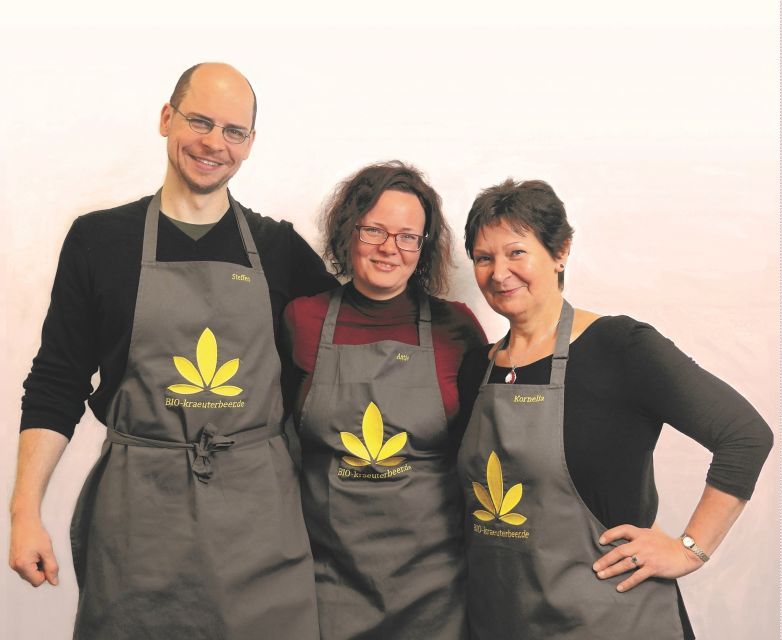
- A family-run company gives the tour a handmade, direct-to-producer feel.
- German, English, and French tours are available, with wheelchair access.
In This Review
- Entering a Small Stralsund Family Factory
- What You Learn About Lactic Acid Bacteria
- Production Rooms Usually Closed to the Public
- From Herbs and Berries to Finished Products
- The Tasting: A Practical Finish to the Visit
- Why the Family-Business Setting Matters
- Timing, Group Size, and Accessibility
- Who Will Enjoy This Stralsund Experience?
- Should You Book the Fermentation Tour?
- FAQ
- How long does the Stralsund factory tour last?
- What is included in the price?
- What languages are available?
- How many people can join the tour?
- Is the factory wheelchair accessible?
- Can I take photographs or record video inside?
Entering a Small Stralsund Family Factory
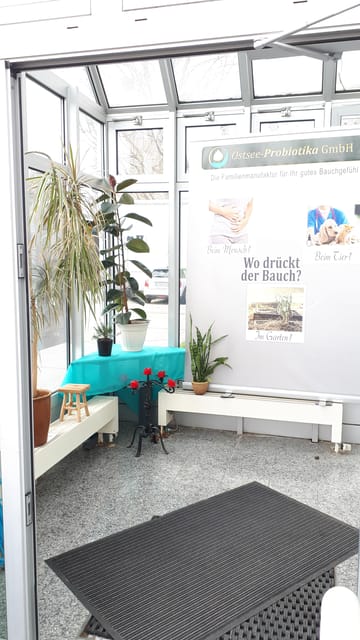
The first thing to understand is the scale. This is a visit to a small family business, not a polished museum with a large exhibition hall and a packed schedule of demonstrations. That is part of its appeal. The focus stays on how products are made and why the company chooses particular ingredients and processes.
The experience lasts about one hour, so you can fit it into a half-day in Stralsund without giving up a major block of sightseeing. At $11 per person, the price is modest for a guided factory visit with tasting included. I see it as a good-value add-on for anyone already interested in local food, natural production, or the science of fermentation.
The small group limit of six matters. A larger group can turn a factory tour into a lecture delivered from across the room. Here, you should have a better chance to hear the guide, see the equipment, and ask about ingredients or production methods. The available languages are German, English, and French.
The company’s family-run character comes through in the way the tour is presented. One participant who arrived late from Berlin described the team as exceptionally kind and said the staff waited for the group. That does not guarantee the same accommodation every time, but it suggests a friendly, human approach. Still, you should aim to arrive on time, particularly because the tour lasts only an hour.
What You Learn About Lactic Acid Bacteria
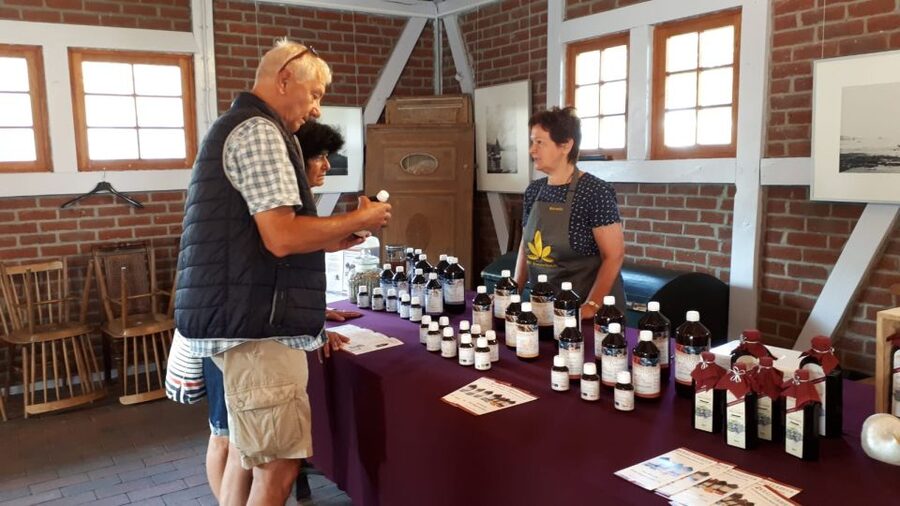
Fermentation is the heart of the visit. The products are made with lactic acid bacteria, including nine different strains, and combined with selected herbs, berries, roots, and spices. You are not simply shown a finished jar and told that it is healthy. The guide explains the steps that turn raw organic ingredients into the final products you can hold and taste.
That process is useful to see because fermentation is often discussed in broad terms. This tour gives the idea a physical setting: ingredients, production rooms, equipment, recipes, and the choices made before products reach customers. You can ask questions in the place where the work actually happens rather than trying to picture it from a shop shelf.
The company uses natural processes and organic ingredients. Its products are described as BIO certified or approved for organic farming. Pay attention to that distinction. Not every item is necessarily intended for the same use. Some products are made for people, while others are designed for animals or soil care.
The guide also explains the principles that shape the company’s daily work. Those principles matter because they connect the ingredients to the wider purpose of the business. The tour is about food, but it is also about how microorganisms and natural ingredients may support a healthy stomach, animal care, and soil preparation.
You will not leave as a fermentation scientist after one hour. You should, however, come away with a clearer sense of why different bacteria, herbs, and berries are chosen and how much care goes into a small-batch product.
Other Germany trips people book alongside this one:
- Berlin: Reichstag, Dome and Government District Guided Tour
★ 4.7 · 18,288 reviews - Berlin: 1-Hour City Tour by Boat with Guaranteed Seating
★ 4.3 · 16,993 reviews - Hamburg: Sex and Crime in St. Pauli Tour for Ages 18+
★ 4.7 · 15,447 reviews
Production Rooms Usually Closed to the Public
The most distinctive part of the route is the access to working areas that are normally not open to visitors. That includes the production rooms, where you can see the setting in which the fermented products are prepared.
This is more interesting than a display of old machinery because the rooms relate directly to the products you taste later. The equipment and working spaces help show that the factory is a real operating business, not simply a visitor attraction built around a brand story. One participant particularly appreciated seeing the large equipment and gaining a closer look at the craft of fermentation.
The tour seems designed to explain the full chain of production. You learn what goes into the recipes, what happens during processing, and how the products are handled before reaching your hands. The exact route and demonstrations may vary according to factory activity, so you should not expect every visit to look identical.
There are some firm rules. Photography and video recording are not allowed inside, and drones, smoking, alcohol, drugs, weapons, and sharp objects are prohibited. Bare feet are also not allowed. These restrictions may feel strict if you are used to taking photos at food workshops, but they are sensible in production areas where hygiene and safety matter.
The no-photo rule is worth remembering before you arrive. You will need to rely on what you see and hear rather than documenting every machine. For me, that encourages closer attention, though anyone hoping to create a photo-heavy travel post may find it limiting.
From Herbs and Berries to Finished Products
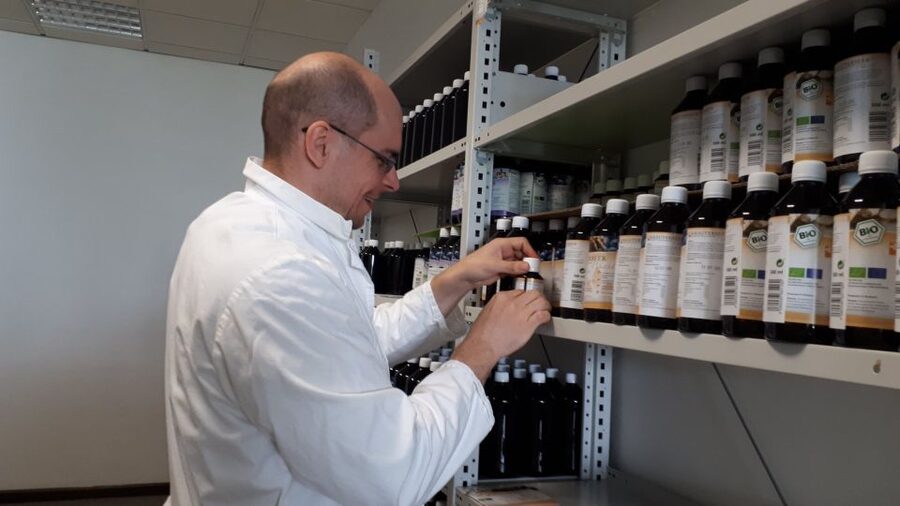
The ingredients are a major part of the story. The factory uses handpicked herbs, special berries, roots, and spices, along with its nine lactic acid bacteria strains. This combination gives the guide plenty to explain, and it keeps the tour from being only about tanks and machinery.
The handpicked herbs are a particularly useful detail. They point to a production method that values carefully selected natural ingredients rather than a short list of industrial additives. You should listen for how each ingredient fits into the recipes, because the appeal is not just that the products are organic. It is the way the ingredients are combined and processed.
The products also reach beyond familiar fermented foods. One of the most interesting aspects is the company’s work for animals and for soil preparation. That broadens the visit from personal wellness to a larger idea of natural systems. A product made for a garden is not something you would normally expect to encounter on a food factory tour, and it gives the company a more unusual identity.
The tour does not appear to promise medical advice, and you should not treat the tasting as a health treatment. The company’s language centers on a good gut feeling and natural processes. That is best understood as the company’s approach to food and microbial products, not as a guarantee that every product will produce the same result for every person.
This balance is important. I like the chance to learn how the company works, but I would keep realistic expectations about health claims. Come for the production story, the ingredients, and the tasting rather than expecting a personal diagnosis or a cure.
The Tasting: A Practical Finish to the Visit
The tasting comes at the end, after you have seen how the products are produced. That order works well. You first learn what you are tasting, then experience the flavors with a better understanding of the ingredients and fermentation process.
The tasting is included in the $11 price, and it gives the hour a clear payoff. You are not only watching a demonstration. You get to use your own senses and decide what you think of the products. One person singled out the mustard as particularly tasty, so that may be one item to look forward to if you enjoy strong, savory flavors.
Because the factory makes a range of products, the tasting may include different styles and uses. The provided information does not specify every sample, so I would not book expecting a fixed menu. The experience is more about sampling the company’s work than receiving a full meal.
That distinction matters. You should eat beforehand if you need lunch, since this is a tasting rather than a restaurant visit. The tasting is likely enough to round out the tour, but it should not be your only food stop of the day.
The tasting also helps test the company’s claims in a simple way. You can notice the effects of herbs, berries, spices, and fermentation on flavor. If you are skeptical of probiotic or organic products, this is a chance to judge the taste without buying a full package first.
Something different for another day:
- Hamburg: 1.5-Hour Harbor and Speicherstadt Day Cruise
★ 4.6 · 14,200 reviews - From Munich: Neuschwanstein & Linderhof Castle Full-Day Trip
★ 4.5 · 12,494 reviews - Dresden: Semperoper Tickets and Guided Tour
★ 4.7 · 12,102 reviews - Berlin: Boat Tour Along the River Spree
★ 4.4 · 11,252 reviews
Why the Family-Business Setting Matters
Large food companies can explain their methods with polished displays and marketing language. A small family factory offers something different: direct contact with the people and place behind the products.
The strongest praise for this experience centers on the team’s warmth, the clear explanations, and the sense that the products are made by hand with care. That does not mean every minute will be thrilling. Factory tours often include technical details, and fermentation can become a slow subject if you only want quick entertainment.
For the right person, though, the slower pace is a benefit. You can ask how the products are made, why particular ingredients are used, and how the company applies its methods to people, animals, and soil. The friendly style also appears to soften the technical material. The tour has been described as combining useful information with relaxed humor, which is exactly what helps a specialized subject stay approachable.
I would especially recommend it to visitors who enjoy meeting producers instead of just buying local goods from a shop. You see the working side of the business and gain context for what you later taste.
Timing, Group Size, and Accessibility
One hour is enough to introduce the company and provide a tasting, but it leaves little room for delays. This is not a long workshop where you can spend half a day making your own fermented food. If you want detailed instruction or hands-on production, you may find the format too brief.
The group is limited to six participants. That makes the visit more intimate and can help if you have specific questions. It also means availability may be limited, so checking starting times before you plan the rest of your day is sensible.
The factory is wheelchair accessible, which makes the experience available to more visitors. The available tour languages are German, English, and French. If you need a particular language, confirm the selected time before booking.
You can cancel up to 24 hours in advance for a full refund, and you can reserve while paying later. Those policies are useful in a changing travel schedule, especially if Stralsund is one stop in a longer northern Germany trip.
Remember the on-site restrictions. You cannot take photographs or record video inside, and you should not bring weapons or sharp objects. Smoking indoors is prohibited, as are alcohol and drugs. These are simple rules, but knowing them in advance prevents an awkward start.
Who Will Enjoy This Stralsund Experience?
I would put this tour high on the list for:
- Food-minded visitors who want to understand how fermented products are made.
- Organic and natural-production enthusiasts interested in herbs, berries, roots, spices, and lactic acid bacteria.
- Gardeners and animal owners curious about products designed for soil or animal care.
- Couples and small groups who prefer a quiet, personal visit over a large commercial attraction.
- Families with older children who can follow a one-hour explanation and take part in a tasting.
- Visitors seeking a local activity beyond churches, museums, and standard city sightseeing.
I would be more cautious if you want a large range of samples, a hands-on class, or an entertaining attraction with lots of visual spectacle. The value comes from access, explanation, and a taste of the finished work. If those things sound worthwhile, the modest price makes the decision easy.
The rating of 4.3 out of 5 reflects a generally positive experience, with especially strong praise for the team, the explanations, the family-business setting, and the tasting. A short negative comment also shows that the format will not suit everyone. That is fair. This is a focused factory visit, not a universal crowd-pleaser.
Should You Book the Fermentation Tour?
Book it if you like seeing how food is made, asking questions in a small group, and trying products connected to organic production. The combination of production-room access, nine bacterial strains, handpicked ingredients, and a final tasting gives you more substance than a simple shop visit.
Skip it if you are looking for a full meal, a long practical workshop, or a major sightseeing attraction. At $11 for one hour, the tour offers good value for curious visitors, especially those interested in food, gardens, animals, or natural production.
My best advice is to arrive on time, choose your language carefully, and leave your camera packed away. Pay attention to the company’s unusual range of products, then let the tasting decide which flavors deserve a place in your own kitchen.
FAQ
How long does the Stralsund factory tour last?
The guided tour lasts one hour, including the factory visit and product tasting.
What is included in the price?
The price includes the guided factory tour and a tasting of the company’s products.
What languages are available?
The tour is offered in German, English, and French.
How many people can join the tour?
The experience is limited to six participants, making it a small-group visit.
Is the factory wheelchair accessible?
Yes, the experience is wheelchair accessible.
Can I take photographs or record video inside?
No. Photography and video recording inside are not allowed. Weapons and sharp objects, smoking, drones, alcohol, drugs, and bare feet are also prohibited.
Just added around Germany
- e-Scavenger hunt Aachen: Explore the city at your own pace★ 4.0 · 13 reviews
- Munich: Private or Group Third Reich and WWII Walking Tour★ 4.9 · 13 reviews
- Canyoning Advanced Day Trip★ 5.0 · 13 reviews
- Wiesbaden Biebrich: Outdoor Escape Game★ 4.7 · 13 reviews
- Berlin: Private Guided Tour of the Main Sights★ 5.0 · 13 reviews
- From Munich: Neuschwanstein Castle and Linderhof Private Tour★ 5.0 · 13 reviews
- Trier, Moselle: Wine excursion with boat trip★ 3.9 · 13 reviews
- From Dresden: Guided Day Tour by Bus of Seiffen Toy Village★ 4.0 · 13 reviews
Stralsund Tours, compared.
Sylt: Round-Trip or 1-Way Passenger Ferry to Rømø, Denmark
Read our review →
Browse the lists this tour appears in