
Reviewed · FOOD & DRINK
Mustard-Guided Manufaktur Sightseeing, tasting and factory sales
Mustard gets its own hour in Quedlinburg. This small guided visit brings you into a former horse stable used by the Dippe seed company, where mustard is made, explained, tasted, and sold. I like the setting because it connects an everyday condiment with local craft and old working rooms. I also like the tasting, which lets you compare yellow and brown mustard instead of treating all mustard as the same. The main drawback is the fixed schedule: the tour runs only at 11:00 a.m. on Tuesday, Friday, and Saturday.
At about $14.82 per person, this is a modestly priced stop for anyone interested in food, local production, or Quedlinburg beyond its grand buildings. The visit lasts about an hour, so it fits neatly into a day of sightseeing. The format is friendly and informal, but mustard allergy sufferers should avoid it, and face coverings are required under the stated health rules.
In This Review
- Key points at a glance
- Arriving at the former Dippe seed company site
- What the history adds to the mustard
- Learning mustard as seasoning and remedy
- Inside the one-hour manufactory visit
- The tasting: yellow, brown, and freshly made
- Factory sales: mustard, chili paste, and herb salt
- Why the relaxed guide style matters
- Price, group size, and practical value
- Who will enjoy this Quedlinburg experience?
- Should you book the mustard manufactory tour?
- FAQ
- Where does the mustard manufactory tour begin?
- What time does the tour start?
- How long does the experience last?
- What products can I buy at the factory?
- Is mustard tasting part of the experience?
- Can I cancel for a full refund?
Key points at a glance
- A former horse stable with a working past: The manufactory operates in historical rooms once connected with the Dippe seed company.
- A guided look at mustard: You learn how mustard fits into seasoning, food use, and traditional remedies.
- A real tasting, not just a talk: You can taste the mustard fresh and notice the difference between yellow and brown varieties.
- A short, useful stop: The one-hour format works well between other Quedlinburg sights.
- Direct factory shopping: You can buy mustard, chili paste, and herb salt at the end.
- Small-group setting: The maximum group size is 25, with generous table spacing and hand disinfection available.
Arriving at the former Dippe seed company site
The tour starts at the Quedlinburger Senf-Manufaktur, Neuer Weg 23, in Quedlinburg. The address is the former courtyard of Dippe-Saatgut AG, an important detail if you are trying to understand why this is more than a shop with a few jars on a shelf.
You are visiting a place with a practical agricultural past. Seeds, crops, spices, and food production all belong to the same broad story, and the old setting helps make that connection clear. The historical rooms give the visit a sense of place without turning it into a formal museum tour.
I like this kind of beginning because it keeps the experience grounded. You are not walking into a polished food attraction designed only for photographs. You are entering a site where the surroundings help explain the product.
The meeting point is also the end point, so you do not need to arrange a separate pickup or find your way across town afterward. The activity is near public transportation, which helps if you are not staying close to Neuer Weg. Still, give yourself enough time to locate the address before the 11:00 a.m. start. The schedule is limited, and arriving after the start could mean missing the guided portion.
More Food Tours in Germany:
- Cologne: Brewery Tour with 3 Kölsch Beer Tastings
★ 4.7 · 3,108 reviews - Hamburg: St. Pauli Highlights Guided Tour with Beer for 18+
★ 4.7 · 2,353 reviews - Hamburg: Elbphilharmonie Plaza and HafenCity Food Tour
★ 4.7 · 1,711 reviews
What the history adds to the mustard
The opening part introduces the history of the Quedlinburg mustard factory. That background matters because mustard can seem like a simple pantry item until you learn how much food culture is packed into a small jar.
The guide places the manufactory in its local setting and explains how mustard production developed in these historical rooms. You can expect the focus to remain practical rather than academic. The tour is about the product in front of you, the place where it is made, and the ways people have used mustard over time.
The two available reviews point to a guide who explains the subject in a broad and varied way, with a friendly manner and a relaxed atmosphere. No guide name is provided, so I cannot tell you who will lead your visit. The praise does suggest that the quality of the talk is one of the main reasons to book, especially if you enjoy learning through conversation rather than reading display panels alone.
This is also where the visit earns its price. You are not paying only for a tasting or a shopping stop. You are getting an introduction to local production, a look at the manufactory, and an explanation of mustard as both food and traditional remedy.
Learning mustard as seasoning and remedy
The tour presents mustard in two roles. First, it is a seasoning that can change the character of food. Second, it has been used as a remedy. The wording is important: the experience introduces these uses, but it should not replace medical advice or suggest that mustard is a treatment for your personal health needs.
For a food-minded visitor, the seasoning discussion is likely the more useful part. Mustard can be sharp, mild, earthy, or spicy, and the tour gives you a chance to connect those differences with actual taste and smell. You also get to consider how mustard works alongside other seasonings instead of treating it as a single, fixed flavor.
The chance to compare yellow and brown mustard is particularly helpful. Many people know the color difference but have not stopped to think about how the flavor changes. A tasting makes that distinction immediate. You can decide which type you prefer and which might work better with the foods you already cook.
I would come with an open mind rather than expecting a large meal or a full cooking class. The experience is centered on mustard and related products. It offers an introduction to flavor and use, not a complete course in German cuisine.
Inside the one-hour manufactory visit
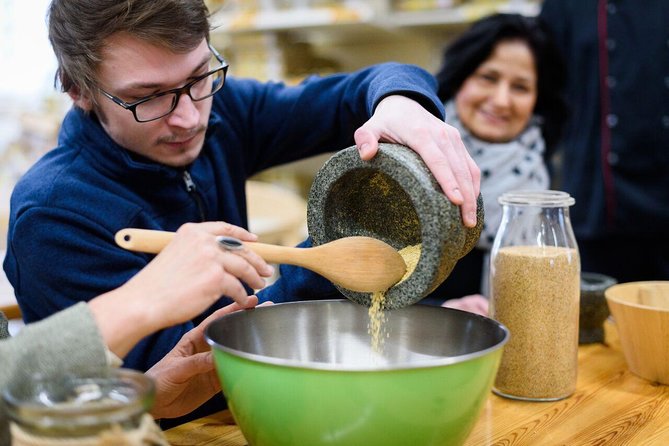
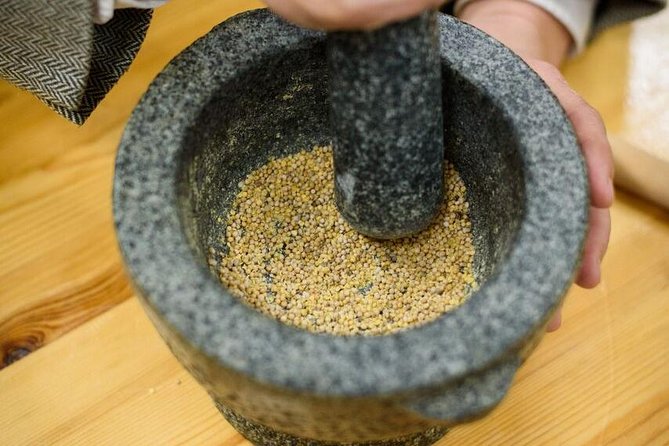
The manufactory visit is the heart of the experience. You see where the mustard is produced and get a closer look at the craft behind the finished product. The tour description emphasizes sight, taste, smell, and touch, so the visit is designed to engage more than just your ears.
That sensory approach makes sense for mustard. The smell can tell you a great deal before you taste it, and the texture helps separate a carefully made product from a generic condiment. The tour gives you a chance to notice those details while the guide explains what you are experiencing.
The setting remains important here. Production in a former horse stable gives the activity a strong local character. The room is part of the story, rather than a neutral retail space. You get a sense of how a small manufactory can use an older building for a modern food business.
The visit is not described as a large industrial tour, and that is a benefit for many people. A maximum of 25 participants keeps the group within a manageable size. The experience should feel more personal than a factory attraction built for crowds, though the exact atmosphere will depend on the group gathered that day.
The one-hour duration also keeps the visit focused. You will not spend half a day on a single condiment. If the tour interests you, you can follow up through the products sold at the end or continue exploring Quedlinburg.
A few more tours and experiences worth a look
- Berlin: Reichstag, Dome and Government District Guided Tour
★ 4.7 · 18,288 reviews - Dresden: Semperoper Tickets and Guided Tour
★ 4.7 · 12,102 reviews - Berlin: Government District around the Reichstag Guided Tour
★ 4.7 · 8,447 reviews - Hamburg: Elbphilharmonie Plaza Guided Tour
★ 4.7 · 5,882 reviews
The tasting: yellow, brown, and freshly made
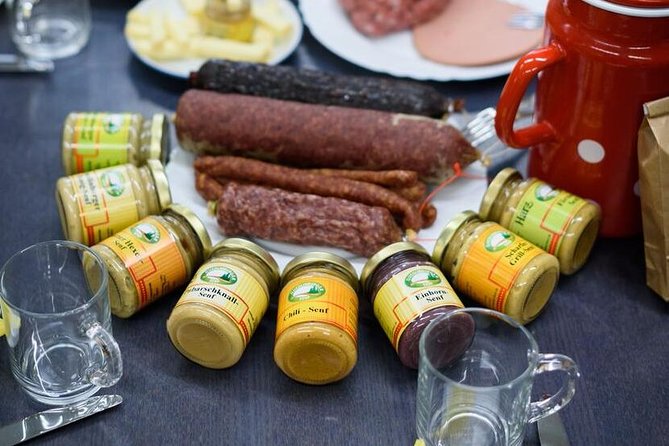
The tasting gives the tour its most direct appeal. You can try the mustard fresh and compare yellow and brown mustard. I like this because it turns the explanation into something you can judge for yourself.
Expect the tasting to focus on the mustard itself rather than a full spread of prepared dishes. The supplied information does not specify the foods served with it, the number of samples, or the exact varieties available on the day. That means you should think of this as a guided product tasting, not lunch.
The fresh aspect is worth noting. Mustard is often something you buy sealed and use without thinking about how it was made. Tasting it close to the place of production gives you a better feel for its flavor and texture. You can pay attention to how the mustard smells, how strong it is, and how the yellow and brown versions differ.
If you enjoy buying food as a souvenir, this part also gives you a practical advantage. You can taste before choosing, rather than guessing which jar will suit you. That is a small but useful form of shopping advice.
Mustard allergy sufferers should not attend. The activity is built around mustard tasting and production, so avoiding the tour is the sensible choice if exposure could cause a reaction.
Factory sales: mustard, chili paste, and herb salt
The tour finishes with factory sales at the same location. The products listed include mustard, chili paste, and herb salt. This is a better souvenir option than buying a generic condiment at a supermarket because you have just learned where the products are made and sampled the main item.
I would leave room in your day bag for a jar or two, though the available information does not state package sizes or prices for individual products. The direct sales stop is especially useful if you want to remember the visit through food rather than another decorative object.
The chili paste and herb salt broaden the appeal beyond mustard fans. They also give you a way to continue experimenting with seasoning at home. Still, mustard remains the main reason to come, and you should not expect the shop to replace a full food market.
The sales portion is also optional in spirit, even though it follows the tour. You can enjoy the history and tasting without making a purchase. If you do buy something, the tasting helps you choose with more confidence.
Why the relaxed guide style matters
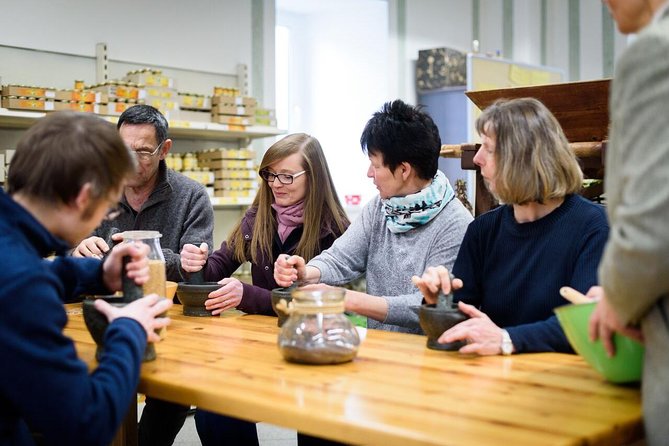
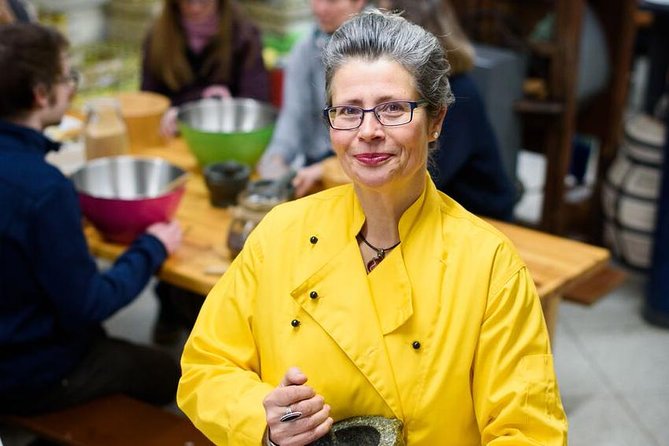
The strongest praise concerns the human side of the tour. The guide is described as very friendly, and the presentation as informative, varied, and relaxed. Those qualities matter in a small food experience because the subject can easily become either too technical or too sales-focused.
A good guide can explain mustard without making you feel tested. The relaxed atmosphere makes it easier to ask questions, compare flavors, and admit that you prefer one type over another. That friendly tone also suits the scale of the manufactory.
I would choose this tour if you enjoy small local businesses and conversations about how ordinary products are made. It is less suitable if you want a major historic attraction, a long production line, or a large meal. The value comes from the combination of place, explanation, tasting, and direct sales.
Because the tour is offered only three times a week, you need to plan around it. The available times are Tuesday, Friday, and Saturday at 11:00 a.m. That schedule may work well during a weekend in Quedlinburg, but it will not suit every itinerary. Check your sightseeing plans before booking rather than assuming you can fit it in at any hour.
Price, group size, and practical value
At approximately $14.82 per person, the experience is reasonably priced for a guided hour that includes a tasting and access to factory sales. I see the best value in the combination. A simple shop visit would cost less, but it would not give you the background, guided explanation, or structured tasting.
The price is also modest compared with many organized sightseeing activities. You get a local story and a product you can continue using at home. For couples, families with older children, and curious food fans, that makes the stop easy to justify.
The group limit is 25 people. That is not an intimate private tour, but it is still a controlled size for a small manufactory. Generous table spacing and hand disinfection are provided under the stated health arrangements, and wearing a mouth and nose mask is mandatory.
Most people can take part, and service animals are allowed. The activity ends at the starting point, which keeps the logistics simple. Confirmation is provided at booking, and free cancellation is available if you cancel at least 24 hours before the local start time. Changes or cancellations inside that window are not accepted for a refund.
Who will enjoy this Quedlinburg experience?
I would recommend the tour to you if you like:
- Small food producers and traditional craft
- Guided tastings with a local connection
- Short activities that fit around a full sightseeing day
- Buying edible souvenirs directly from the maker
- Learning how familiar ingredients are used in different ways
- Historical buildings with a working purpose
It can also suit families, provided everyone in the group can safely be around mustard. The one-hour length is easier for many children than a long museum visit, though the experience is still built around listening and tasting rather than hands-on play.
You may want to skip it if you have a mustard allergy, dislike food tastings, or have no interest in seasonings. The limited schedule is another reason to pass if your Quedlinburg visit falls outside Tuesday, Friday, or Saturday morning.
Should you book the mustard manufactory tour?
Book it if you want a short, local experience with real flavor and a clear connection to Quedlinburg’s working past. The old Dippe seed company setting, friendly guide style, comparison of yellow and brown mustard, and chance to buy mustard, chili paste, and herb salt give the hour more substance than a quick retail stop.
I would place it on a morning when you already plan to be near Neuer Weg. Arrive prepared for a tasting, allow for the mask requirement, and avoid it completely if mustard could cause an allergic reaction. At about $14.82, it is a good-value choice for curious eaters who prefer a small authentic activity over another large sightseeing attraction.
FAQ
Where does the mustard manufactory tour begin?
It begins at the Quedlinburger Senf-Manufaktur in the former courtyard of Dippe-Saatgut AG, Neuer Weg 23, 06484 Quedlinburg, Germany.
What time does the tour start?
The guided tour starts at 11:00 a.m. It is offered three times a week, on Tuesday, Friday, and Saturday.
How long does the experience last?
The tour lasts approximately one hour.
What products can I buy at the factory?
Factory sales include mustard, chili paste, and herb salt.
Is mustard tasting part of the experience?
Yes. You can taste the mustard fresh and learn about the differences between yellow and brown mustard.
Can I cancel for a full refund?
Yes, if you cancel at least 24 hours before the experience start time. Cancellations or changes made less than 24 hours before the local start time are not refunded or accepted.
Just added around Germany
- e-Scavenger hunt Aachen: Explore the city at your own pace★ 4.0 · 13 reviews
- Munich: Private or Group Third Reich and WWII Walking Tour★ 4.9 · 13 reviews
- Canyoning Advanced Day Trip★ 5.0 · 13 reviews
- Wiesbaden Biebrich: Outdoor Escape Game★ 4.7 · 13 reviews
- Trier, Moselle: Wine excursion with boat trip★ 3.9 · 13 reviews
- Berlin: Private Guided Tour of the Main Sights★ 5.0 · 13 reviews
- From Munich: Neuschwanstein Castle and Linderhof Private Tour★ 5.0 · 13 reviews
- From Dresden: Guided Day Tour by Bus of Seiffen Toy Village★ 4.0 · 13 reviews
Food & Drink, compared.


St. Pauli Highlights Guided Tour with Beer for 18+
Read our review →
Elbphilharmonie Plaza and HafenCity Food Tour
Read our review →
Bavarian Beer and Food Evening Tour in Munich
Read our review →
Classic Mike’s Bike Tour daily @ 11.30 incl Beer Garden & Surfers
Read our review →
Berlin Center Food Tour with 8+ Authentic Local Tastings
Read our review →
Browse the lists this tour appears in