
Reviewed · GHOST & NIGHT WATCHMAN TOURS
Mannheim, guided costume tour: Tour with Night Watchman
History sounds better after sunset. I like how this 90-minute walk turns Mannheim’s baroque center into a stage, with Carl Theodor, court life, religion, and old city scandals woven into the route. I also like the stops at the Palace Church, Old Observatory, Jesuit Church, Armoury, and Schillerplatz, which give the stories a solid sense of place.
The main drawback is simple: the tour is conducted in German, so you need a good grasp of the language to catch the humor and smaller details. It also runs rain or shine, and dogs are not allowed on public tours. For German speakers who enjoy history told with personality, the $20 price is fair, especially with a qualified guide in costume.
In This Review
- Key Points About Mannheim’s Costumed Night Watchman Walk
- Meeting the Night Watchman at the Palace Church
- Carl Theodor and the Making of Electoral Mannheim
- The Palace Church Sets the Tone
- The Old Observatory and the Armoury
- The Jesuit Church and Mannheim’s Sacred Side
- Schillerplatz and the Final Stretch
- Why the Guide’s Style Matters
- Language, Weather, and Practical Comfort
- Is $20 a Fair Price?
- Who Should Book This Mannheim Tour?
- Booking Details Worth Knowing
- Should You Book the Night Watchman Walk?
- FAQ
- Where does the Mannheim Night Watchman Tour begin?
- How long does the tour last?
- What language is the tour conducted in?
- What does the tour cost?
- Which Mannheim sights are included on the route?
- Is the guide in costume?
- Are dogs or other pets allowed?
- What should I bring?
- Can I cancel or pay later?
Key Points About Mannheim’s Costumed Night Watchman Walk
- Carl Theodor’s Mannheim: Learn how Mannheim became a residence for the Palatinate Electors and how court culture shaped the city.
- A story-led route: The guide links buildings, religion, society, and court intrigue instead of giving you a string of disconnected dates.
- Five notable sights: Pass the Palace Church, Old Observatory, Jesuit Church, Armoury, and Schillerplatz.
- Humor with historical detail: The strongest praise centers on an informative, warm, and funny style, including the guide Marie.
- Rain-or-shine timing: Wear comfortable shoes and dress for the weather because the walk continues in wet conditions.
- Simple city-center value: At $20 per person, the tour offers 1.5 hours of live guiding without adding food, drinks, or transportation costs.
Meeting the Night Watchman at the Palace Church
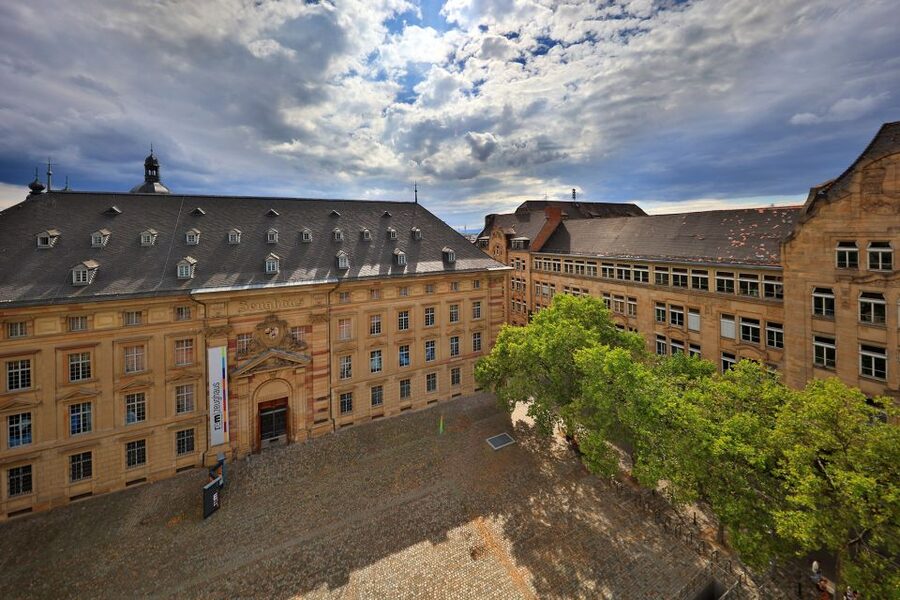
Your starting point is the entrance to the inner courtyard of Mannheim’s baroque palace, at Bismarckstraße 14, 68161 Mannheim. This detail matters. The address covers several buildings, so you should go directly into the inner courtyard rather than waiting somewhere along the street.
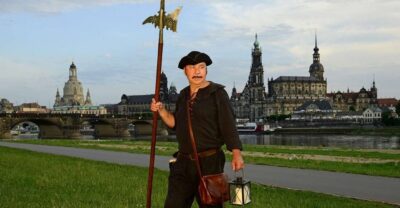
The guide appears in night watchman costume, a small touch that sets the mood without turning the walk into theater for its own sake. You are not simply handed facts by a guide in ordinary clothes. The character gives the stories a point of view: this is someone who makes rounds after dark and notices the behavior, secrets, and questionable dealings of the city’s residents.
The meeting point is also a useful first stop because the Palace Church places you right beside the former electoral residence. You begin with the setting that shaped much of Mannheim’s political and religious life. From there, the tour stays around the baroque palace and central historic streets, so you spend the hour and a half on the subject rather than traveling between distant sights.
More Ghost & Night Watchman Tours in Heidelberg:
- Heidelberg: Night Watchman Historic Adventure Tour
★ 4.7 · 1,186 reviews - Heidelberg: 2-Hour Walking Tour with Night Watchman
★ 4.4 · 134 reviews - Heidelberg: Torchlight Tour with a Night Watchman
★ 4.7 · 125 reviews
Carl Theodor and the Making of Electoral Mannheim
The central historical figure is Carl Theodor, the Elector Palatine whose era helped define Mannheim as a residence city. The tour explains how Mannheim developed into a seat for the Palatinate Electors and how that change affected culture, society, and religion during the 17th and 18th centuries.
That is the useful distinction between this walk and a basic city orientation tour. You are not only learning what a building is called. You are hearing why the city needed grand churches, court buildings, military structures, and places of observation. The buildings become evidence of a city shaped by rulers and their institutions.
The night watchman’s perspective also brings ordinary behavior into the story. Court life was not only formal ceremonies and impressive architecture. It involved gossip, status, religious differences, ambition, and people trying to bend rules for their own benefit. The guide’s anecdotes about what happened on night rounds help turn large political changes into human stories.
I would not choose this tour if you want a full academic lecture on the Palatinate Electors. The format favors memorable stories and atmosphere. But if dates usually slide out of your mind as soon as you hear them, this approach gives you characters and incidents to hold on to.
The Palace Church Sets the Tone
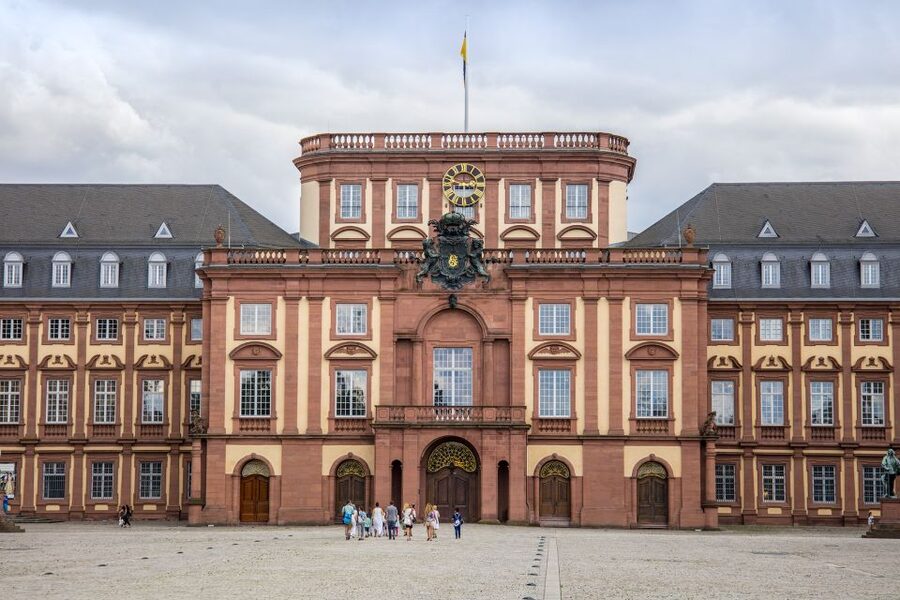
The Palace Church is one of the first major buildings connected with the walk and one of the most important religious sites in Mannheim’s center. Its position beside the palace makes clear how closely worship and court power were linked.
The church also gives the tour an early chance to explain the role of religion in the city’s development. The historical period covered was shaped not only by rulers and military concerns, but also by religious institutions and the beliefs that influenced public life.
The supplied information does not promise an interior visit, so you should think of the church as a stop on an outdoor route rather than a separate church tour. That distinction is important if you are hoping for a long look at the interior or a formal architectural explanation of every detail.
Still, the setting works well for the night watchman’s storytelling. The guide can place court ceremonies, social ranks, and religious life around one of Mannheim’s most important baroque buildings. You get context before moving on to the other landmarks.
The Old Observatory and the Armoury
The Old Observatory and the Armoury add two different sides of Mannheim’s past. One points toward science and observation. The other recalls the city’s military and defensive concerns.
The tour does not treat these buildings as isolated photo stops. The guide uses them as backdrops while discussing Mannheim’s changes from one era to the next. That approach helps you see that a historic city is not frozen in one period. Its buildings reflect different needs, different rulers, and different ideas about public life.
The night watchman character is especially suited to these locations. An observatory brings questions about knowledge and the changing view of the world. An armoury brings questions about security, power, and the practical machinery behind a residence city. The walk connects those themes through anecdotes rather than asking you to study a long architectural description.
You should expect the emphasis to remain on storytelling. If you want technical information about the Old Observatory or a detailed military history of the Armoury, you may need a separate museum visit or specialist guide. Here, the buildings support a wider story about Mannheim.
A few more tours and experiences worth a look
- Heidelberg: On the trail of the Night Watchmen
★ 4.6 · 546 reviews - Heidelberg: night watchman tour through the old town
★ 3.9 · 64 reviews - Mannheim: Public Night Watchman Tour with Night Watchwoman Marie
★ 5.0 · 23 reviews - Hamburg: 90-Minute Evening Lights Harbor Cruise
★ 4.5 · 7,728 reviews
The Jesuit Church and Mannheim’s Sacred Side
The Jesuit Church is described as one of Mannheim’s most sacred buildings, and it is a major stop on the route. Its presence adds weight to the religious side of the city’s story, especially when set beside the palace and court buildings.
This is one of the strongest parts of the route for understanding how public power and faith occupied the same urban center. A palace can suggest political authority, while the church shows how religious life helped shape the identity of the city. The tour places these pieces near one another, allowing you to connect them as you walk.
Again, the tour is not advertised as an interior visit. You should expect to admire the building from the route and hear its place in Mannheim’s story. If access inside the church is your main goal, check separately before booking.
The Jesuit Church also gives the walk a change of tone. The night watchman’s jokes and tales about dishonesty are balanced by a building associated with devotion and solemnity. That contrast helps prevent the tour from becoming a single-note performance.
Schillerplatz and the Final Stretch
Schillerplatz is another named stop toward the end of the route. By this point, you have seen several buildings linked to Mannheim’s court, religious, scientific, and military past.
A square such as this works well as a final gathering point because it lets the guide bring the city’s changing eras together. You have moved from the Palace Church through old institutions and public spaces, while the narration has covered court life, society, culture, religion, and the everyday behavior seen on night rounds.
The exact order of stops may depend on the guide and conditions, so I would not treat the walk as a rigid checklist. The value comes from the connections between places. You are listening for how one period changed the next, and how people living under court rule experienced those changes.
The route is also manageable in length. Ninety minutes is enough time for a clear historical arc without asking you to spend an entire evening standing outdoors. Comfortable shoes are still a good idea because the experience is a walking tour, and there is no promise of indoor shelter along the way.
Why the Guide’s Style Matters
The strongest part of this experience is the way information is delivered. The feedback attached to the tour repeatedly praises a style that is informative, humorous, affectionate, and full of detail. One particularly praised guide is Marie, who is described as bringing Mannheim’s history closer with knowledge and humor.
That combination matters. A costume alone cannot carry a tour. The guide needs to make the character useful, not just decorative. Here, the night watchman can tell you what he supposedly sees on his rounds, then use those observations to explain court society and city change.
You can expect anecdotes about life at court and stories about the less honest activities the watchman encounters after dark. The humor appears to be a major part of the appeal, with German-language feedback describing the experience as entertaining, authentic, and carefully presented.
I would still keep your expectations in the right place. This is not a silent, atmospheric night walk, and it is not a theatrical show with a large cast. It is a guided history walk with a costumed narrator. The success of your experience will depend heavily on how much you understand German and how much you enjoy stories mixed with historical explanation.
Language, Weather, and Practical Comfort
The tour language is German. That is the most important booking consideration. You do not need to know every historical term, but you should be comfortable following spoken German and catching humor, since much of the tour’s charm lies in the anecdotes.
The tour operates rain or shine. Mannheim weather can make a short outdoor walk feel very different from one day to the next, so bring a coat or umbrella if the forecast looks uncertain. Comfortable shoes are specifically recommended, and they are sensible even though the walk lasts only 1.5 hours.
Pets are not allowed on public tours, including dogs. That rule is easy to overlook if you are traveling with a dog, so plan another activity for your pet.
Food and drinks are not included. This is not a problem for most people because the experience lasts 90 minutes, but you should eat before or after if you need a full evening meal. Transportation to and from the meeting point is also not included, so arrange your own way to the Palace Church courtyard.
Is $20 a Fair Price?
At $20 per person, the tour sits in a reasonable range for a live, costumed city walk lasting 90 minutes. You are paying for a qualified guide, a planned route through central Mannheim, and historical interpretation that links several important buildings.
The value is strongest if you would otherwise walk past the palace, observatory, church, Armoury, and Schillerplatz without knowing how they fit together. A free walk can show you the same streets, but it will not provide the night watchman’s character, court anecdotes, or guided explanation of Mannheim’s development.
The price is less attractive if you speak little German or mainly want interior access to the Palace Church and Jesuit Church. Neither food, drinks, transportation, nor a separate admission is included, so factor those costs into your evening plans.
A 4.9 rating from 26 ratings suggests a very strong response, and the repeated praise for humor and historical detail matches what the format promises. I would treat that as a useful sign, not a guarantee. The language fit remains the deciding factor.
Who Should Book This Mannheim Tour?
I would recommend this experience to you if you like local history delivered through personalities and stories. It suits couples, friends, and solo visitors who want more than a quick look at Mannheim’s central buildings but do not want a long formal lecture.
It is also a good first evening activity in Mannheim. The route gives you a sense of the baroque center, introduces the city’s main historical themes, and leaves you with places you may want to revisit in daylight. The night watchman framing adds a little fun without requiring you to dress up or take part in a role-play.
Families may enjoy the humor, but the tour is still history-focused and conducted in German. Children who cannot follow German may lose the thread, especially when the guide moves into court anecdotes or social details.
I would skip it if you need an English-language tour, want guaranteed interior visits, dislike standing outdoors in uncertain weather, or prefer a quiet architectural walk. The costume and humor are central to the experience, not optional extras.
Booking Details Worth Knowing
You can cancel up to 24 hours before the tour for a full refund, which gives you some protection if your Mannheim plans change. A reserve-now, pay-later option is also available, so you can hold a place without paying at the time of booking.
Starting times vary, so check availability for your chosen date. The meeting point is the inner courtyard entrance of the baroque palace at Bismarckstraße 14. Do not rely only on the street address, since several buildings share it.
The tour is operated by Mannheim erleben GmbH, the local organization responsible for events, tourism, and marketing. It includes the costumed guided walk, but no meal, drink, or transfer.
Should You Book the Night Watchman Walk?
Book it if you want Mannheim’s history with a human voice, a little gossip, and a clear route through the baroque center. The combination of Carl Theodor, court life, the Palace Church, Jesuit Church, Old Observatory, Armoury, and Schillerplatz gives you a useful introduction to the city in 90 minutes.
The decision is easy for confident German speakers. The language is the only serious limitation, and the rain-or-shine rule is manageable with proper clothing. At $20, the experience offers good value when the guide’s humor and storytelling are what you want.
If you understand only basic German, choose another format. You may still enjoy the costume and buildings, but the best material is spoken, and much of the fun comes from the details. For everyone else, this is a lively way to meet Mannheim after dark without turning history into homework.
FAQ
Where does the Mannheim Night Watchman Tour begin?
Meet the guide at the entrance to the inner courtyard of Mannheim’s baroque palace at Bismarckstraße 14, 68161 Mannheim. Go directly to the courtyard because several buildings share the address.
How long does the tour last?
The tour lasts 1.5 hours, or 90 minutes.
What language is the tour conducted in?
The live guided tour is conducted in German.
What does the tour cost?
The listed price is $20 per person.
Which Mannheim sights are included on the route?
The route passes the baroque Palace Church, Old Observatory, Jesuit Church, Armoury, and Schillerplatz.
Is the guide in costume?
Yes. The experience includes a qualified tour guide dressed as a night watchman.
Are dogs or other pets allowed?
No. Pets are not allowed on public tours.
What should I bring?
Bring comfortable shoes. The tour takes place outdoors and runs rain or shine, so weather-appropriate clothing is also sensible.
Can I cancel or pay later?
You can cancel up to 24 hours in advance for a full refund. A reserve-now, pay-later option is available, allowing you to book without paying immediately.
Just added around Heidelberg
- Segway Tour of Mannheim: Rhein, Waldpark, and Lindenhof★ 5.0 · 13 reviews
- Mannheim: Segway Tour along the Neckar River★ 5.0 · 15 reviews
- Heidelberg: Heidelberg Castle Garden & Outside Private Tour★ 4.9 · 18 reviews
- Segway Tour: Old Town Hall, Water Tower & Ehrenhof★ 5.0 · 21 reviews
- Mannheim, guided walking tour: Pulsating Jungbusch★ 3.9 · 21 reviews
- Heidelberg: 2-Hour Crime Tour with Costumed Guide★ 3.7 · 23 reviews
- Heidelberg Old Town Private Walking Tour including Castle Visit★ 5.0 · 23 reviews
- Mannheim: Public Night Watchman Tour with Night Watchwoman Marie★ 5.0 · 23 reviews
Ghost & Night Watchman Tours, compared.
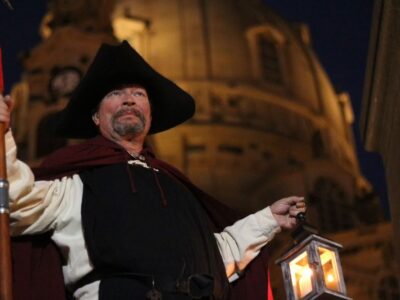
The Original Night Watchman Tour in Lantern Light
Read our review →
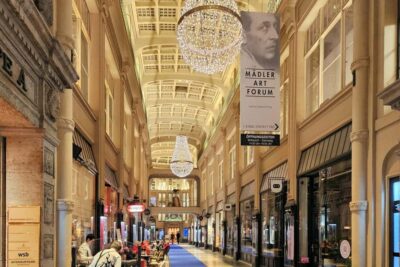
1.5-Hour Public Tour with Night Watchman Bremme
Read our review →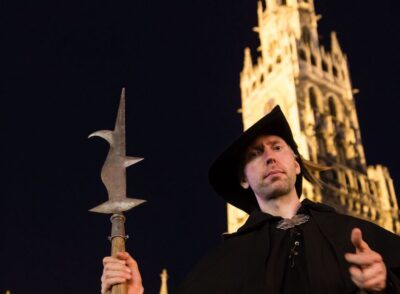
The Night Watchman Old Town Walking Tour in German
Read our review →
Browse the lists this tour appears in