
Reviewed · HANOVER TOURS
Fritz Haarmann – Die Mördertour
Hannover has a grim story beneath its streets. Fritz Haarmann: Die Mördertour connects the main train station with Hannover’s Old Town while examining the case of one of Germany’s most infamous serial killers. I like the clear route, which begins beneath the Ernst-August statue and leads into the city rather than dropping you into an unfamiliar meeting spot. I also like that the tour looks beyond the crimes to the social and political conditions of the 1920s.
The main drawback is the subject matter. This is a serious crime tour, not a light sightseeing stroll, and the live guide speaks German. If you need an English tour, or if graphic criminal history is not your kind of travel experience, this probably will not be a good fit. The tour lasts two hours, costs $35 per person, and has earned a strong 4.6 rating from 41 bookings.
In This Review
- Key points about Fritz Haarmann: Die Mördertour
- Meeting beneath Unterm Schwanz
- Walking from the station into Hannover’s Old Town
- The former murder house
- Where the victims’ bones were buried
- The 1920s context makes the tour stronger
- A guide-led story, with time for questions
- What $35 buys you
- Who should take this walk?
- Practical details for a smoother experience
- Should you book Fritz Haarmann: Die Mördertour?
- FAQ
- Where does Fritz Haarmann: Die Mördertour begin?
- How long does the tour last?
- What language is the tour in?
- What locations does the tour visit?
- How much does the tour cost?
- Are drinks included?
- Is the tour wheelchair accessible?
Key points about Fritz Haarmann: Die Mördertour
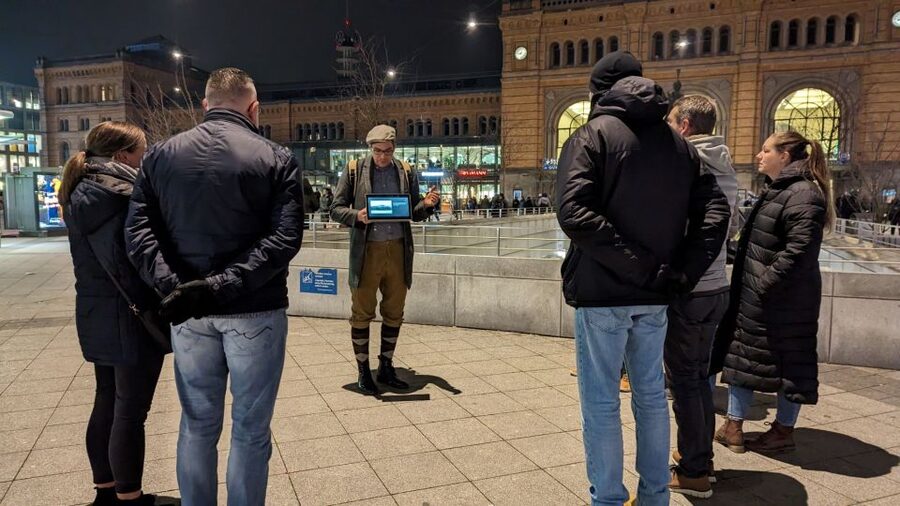
- Starts beneath Hannover’s famous horse statue: Meet at the Ernst-August statue, known locally as Unterm Schwanz, outside the main train station.
- Walks from the station into the Old Town: The route gives you a simple way to connect Hannover’s modern arrival point with its darker 1920s past.
- Visits important case locations: You see where Haarmann’s murder house once stood and where the bones of victims were buried.
- Explains more than the crimes: The tour places the Haarmann case within the social and political pressures of early twentieth-century Germany.
- Offers a German-speaking live guide: Recent feedback praises the clear storytelling, useful background, and time allowed for questions.
- Costs $35 for two hours: That is fair value if you want a focused history walk rather than a general city tour.
Meeting beneath Unterm Schwanz
The tour starts at the Ernst-August statue in front of Hannover’s main train station. The local meeting point is called Unterm Schwanz, meaning under the horse’s tail, a practical landmark that is hard to confuse once you know what to look for.
I recommend arriving at least five minutes early. The station area can be busy, and finding a tour group while checking transport connections is never a pleasant way to begin. Since the walk starts at Hannover’s main transport hub, this tour can fit neatly into a day of sightseeing or serve as a compact introduction to the city after you arrive.
The opening location also carries some quiet relevance. You begin in a public, modern part of Hannover before walking toward the Old Town and the sites linked with the Haarmann case. That change in setting helps frame the story. You are not hearing an isolated crime tale in a lecture room. You are following a route through the city where the case became part of local and national memory.
Other Hanover trips people book alongside this one:
- Hannover: Guided Old Town Walking Tour
★ 4.5 · 338 reviews - Hannover: 24-Hour Hop-On Hop-Off Sightseeing Bus Ticket
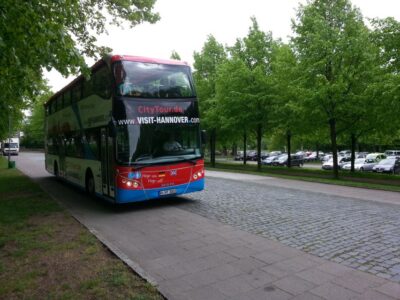
★ 4.2 · 298 reviews - Hanover: Crime Walking Tour
★ 4.5 · 243 reviews
Walking from the station into Hannover’s Old Town
The first part of the route leads from the station to Hannover’s Altstadt. The information provided does not give a full street-by-street itinerary, so you should think of this as a guided historical walk rather than a fixed sightseeing route packed with famous buildings.
That is a strength for this particular subject. The guide can use the streets as a setting for the story, showing how the case unfolded within an ordinary city. You get a better sense of place than you would from a podcast or museum display. At the same time, you should not book this expecting a broad survey of Hannover’s architecture, shopping streets, or major monuments.
The walk covers material from the early twentieth century, with special attention to the events that reached a crisis point in 1924. At that time, the discovery of the crimes brought national and international attention to Hannover. The case involved the murders of at least 24 citizens, and Haarmann became known by grim nicknames, including the Butcher of Hannover.
The guide’s task is not simply to list victims and locations. The strongest part of the tour appears to be the explanation of how the case connected with the conditions of the period. A recent German-language assessment praised the guide for showing links to the social circumstances of the time. That context matters because it helps you understand why the case became so politically charged and why it affected Germany beyond Hannover.
The former murder house
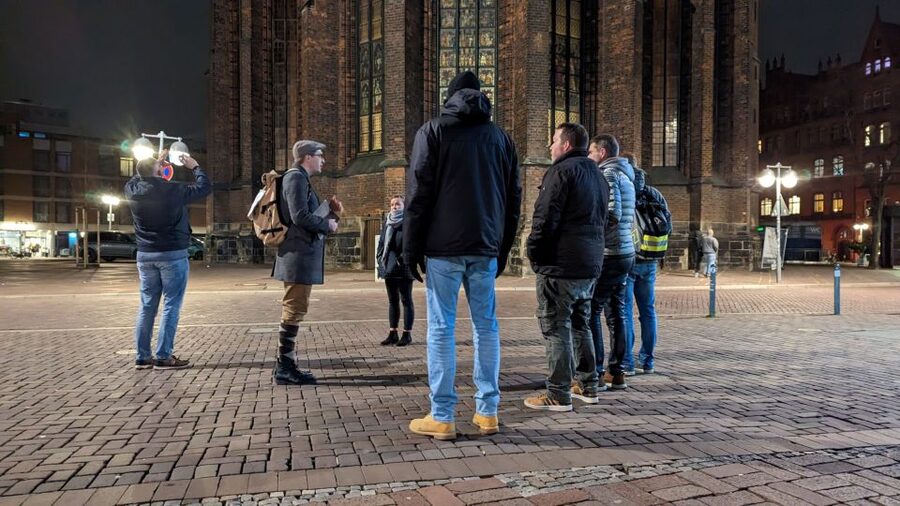
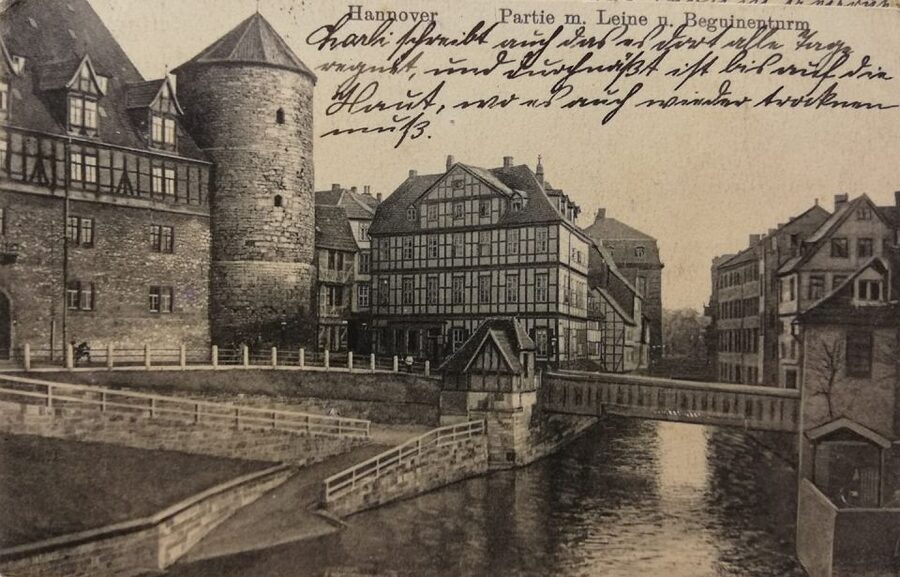
One of the most important stops is the place where Haarmann’s murder house once stood. The building itself is no longer there, so this is not a preserved crime scene or a dramatic museum set. You are looking at a location marked by absence, with the guide supplying the historical meaning.
I find that kind of stop more useful than a recreated room. It asks you to picture the past while keeping the focus on documented events and urban change. You can also judge the tone of the guide here. A good presentation should make the location understandable without turning suffering into entertainment.
The former house is likely to be one of the tour’s most emotionally difficult points. The value comes from hearing what happened in the place and learning how the investigation affected Hannover. If you prefer a lighter city walk, this stop may feel too bleak. If you want a serious look at the case, it gives the story a physical anchor.
The tour does not promise access to an interior, a collection of original objects, or a preserved building. That is worth keeping in mind before you book. The experience depends on spoken explanation, the route, and the guide’s ability to connect the site with the wider case.
Where the victims’ bones were buried
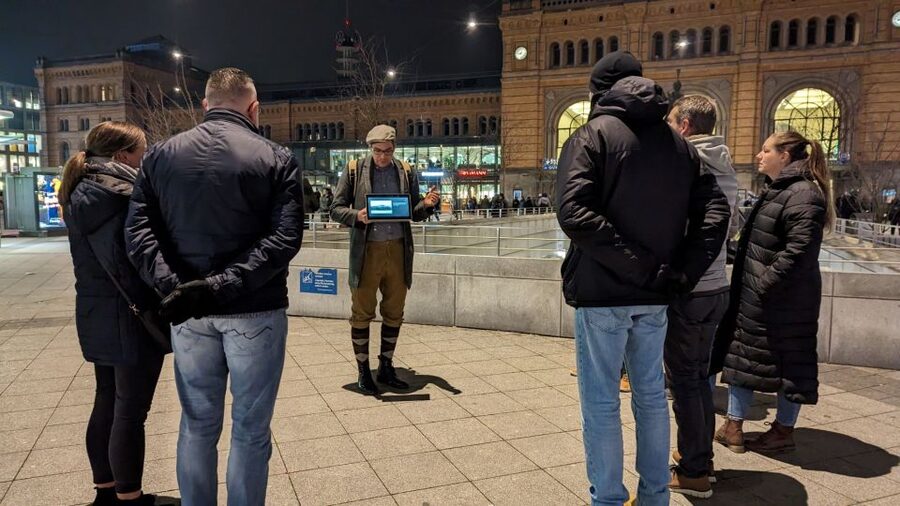
Another key stop is the place where Haarmann buried the bones of his victims. This location adds a second layer to the story because it shows how the crimes came to light and how physical evidence shaped the investigation.
The supplied details do not identify the precise modern landmark or describe a memorial at the site. You should therefore expect a location-based explanation rather than a large attraction with displays and signs. The guide’s storytelling is central here, and the tone will matter. The best approach is factual and restrained, giving you enough information to understand the case without treating the remains as a spectacle.
This stop also helps explain why the Haarmann case drew such intense attention in 1924. The discovery of evidence made the crimes impossible to ignore and fueled public concern about policing, social order, and official responsibility. The tour presents the case as part of a larger period of uncertainty, not simply as the work of one violent criminal.
Something different for another day:
- Hanover: SEA LIFE Entry Ticket
★ 4.1 · 160 reviews - SEA LIFE Hannover Ticket
★ 4.0 · 96 reviews - Hanover: Royal Gardens of Herrenhausen Guided Tour
★ 4.6 · 78 reviews - Hanover: Night tour with night watchman Melchior
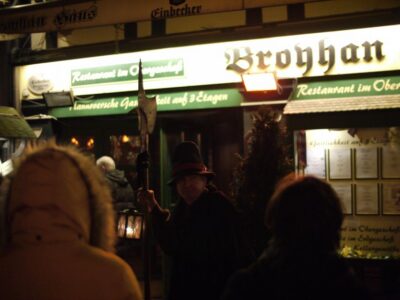
★ 4.4 · 72 reviews
The 1920s context makes the tour stronger
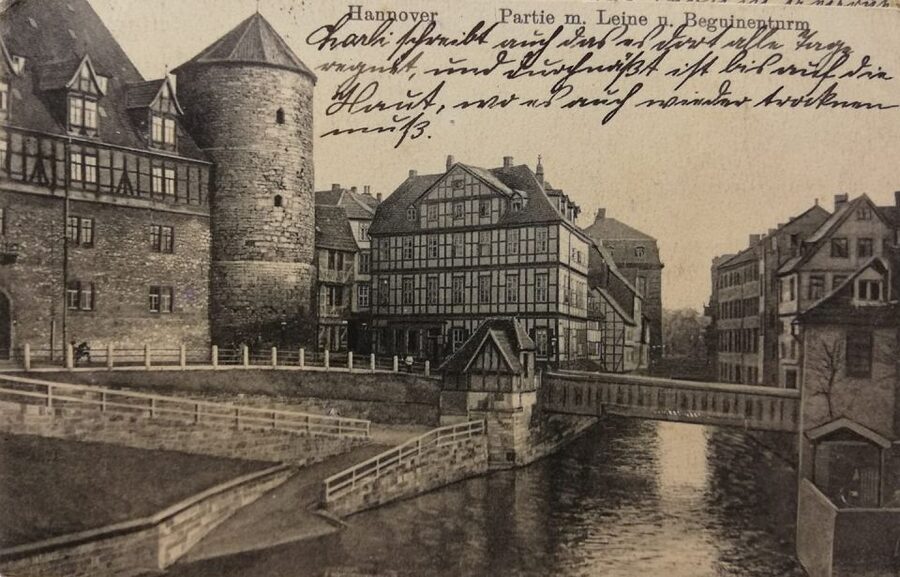
The most praised feature of this experience is its background information. Several recent comments describe the tour as informative, easy to follow, and well presented. One assessment specifically praised the guide for explaining connections with the conditions of the period. That is the difference between a crime walk with atmosphere and a history tour with substance.
The Haarmann case became heavily politicised. That means the tour deals with more than private violence. It also considers how authorities, the public, and political interests responded when the scale of the crimes became known. The supplied information does not provide every political detail, so I would not expect a full academic treatment of Weimar-era Germany. Still, the promise of wider context gives the walk a useful purpose.
You may also find the tour more rewarding if you already know a little about Hannover or German history. The guide’s explanations can then fill in the connections between place, crime, public reaction, and national attention. If you know nothing about the case, the two-hour format should still give you a clear outline, though the subject is heavy and the amount of detail may feel intense.
A guide-led story, with time for questions
This is a live guided walk in German. The guide’s delivery matters a great deal because the locations alone cannot tell the full story. Recent feedback repeatedly praises the presentation as vivid, engaging, and informative. One person said the story was made relaxed yet gripping, while another felt able to listen for hours.
That does not mean the tour is casual in subject. It means the guide appears to make difficult material understandable without turning the walk into a dry lecture. One especially useful detail is that a second guide was added when a group became large and was split in two. That suggests some care with group management, though the normal group size is not stated and should not be assumed.
You also get time for questions. That is important on a case involving dates, places, investigation, and political reactions. Rather than rushing from one stop to the next, you can ask for clarification when the story becomes complicated.
Because the tour is in German, you should have enough German to follow a spoken historical explanation for two hours. The available information does not indicate an English option, translation, or printed transcript. Wheelchair access is listed, but the exact street surfaces, route conditions, and rest opportunities are not described.
What $35 buys you
At $35 per person, the price is reasonable for a two-hour guided city walk if you value interpretation. You are paying for a live guide, a carefully chosen route, and access to a story that is difficult to understand from a quick internet search alone.
The tour is not the best value if you mainly want a low-cost way to see Hannover’s Old Town. It includes the guided tour, but not drinks. Beer or sparkling wine can be served for an additional €3.50 per person. That extra option may suit a private group looking for a particular atmosphere, but I would not consider it part of the core experience.
The price makes most sense for visitors with a specific interest in crime history, twentieth-century Germany, or the connection between local events and national politics. It is less compelling for someone seeking a broad overview of Hannover. A standard city walk would cover more general sights, while this experience spends its time on one disturbing and important case.
You can reserve now and pay later, and cancellation is free up to 24 hours before the start for a full refund. Those terms are useful if your Hannover plans depend on train schedules or changing weather, but the real value question remains simple: do you want two focused hours on this subject?
Who should take this walk?
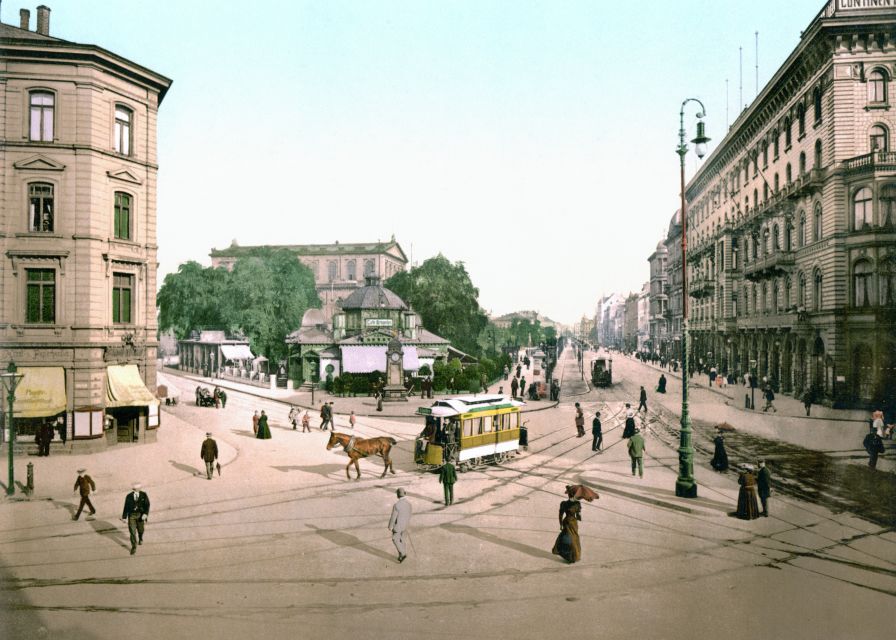
I would recommend the tour to you if you enjoy serious local history and prefer learning through streets and specific locations. It should also suit people interested in how crime cases affect public life, policing, politics, and a city’s identity.
The walk may work well for:
- Adults interested in German crime history
- Visitors who already speak German comfortably
- People looking for a focused alternative to a standard sightseeing tour
- History students or readers who want to connect a famous case with real places
- Visitors with two free hours near Hannover’s main station and Old Town
I would think twice if you are traveling with young children, since the subject involves multiple murders and buried remains. The supplied information does not give an age recommendation, so you should use your own judgment. The same applies if you prefer upbeat tours or dislike hearing detailed accounts of violent crime.
Practical details for a smoother experience
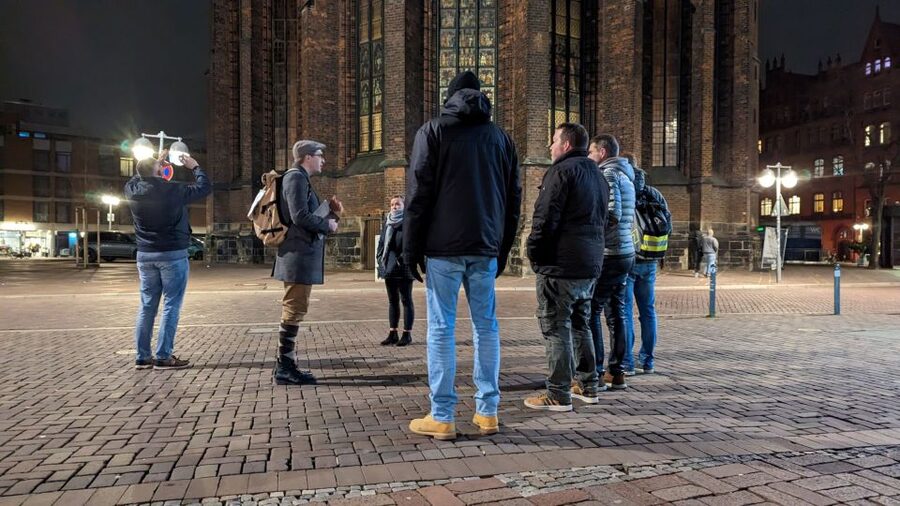
Plan to be at the Ernst-August statue five minutes before the start. Look for the area under the horse rider’s tail, known as Unterm Schwanz, rather than relying only on a general station address.
Allow the full two hours. The route begins at the station and continues to the Old Town, so you should wear shoes suitable for a city walk. The available details do not state the exact distance, number of stops, or whether there is a scheduled pause, so do not plan a tight connection immediately after the tour.
The live language is German, and accessibility is listed as wheelchair accessible. If you use a wheelchair and need precise information about paving, slopes, or restrooms, ask the provider before booking because those route details are not supplied.
The provider is Hendrik Seiffert. The guide’s ability to explain the material clearly is central to the experience, and the strongest comments praise the presentation, background information, and chance to ask questions.
Should you book Fritz Haarmann: Die Mördertour?
Book it if you want a focused, serious look at Hannover’s darkest twentieth-century story and can follow German comfortably. The route is easy to locate, the two-hour length is manageable, and the tour adds value by explaining the social and political setting around the 1924 case.
Skip it if you want a general introduction to Hannover, a family-friendly outing, or an English-language experience. The former murder house and burial site are meaningful because of the guide’s explanation, not because they are preserved attractions. For the right audience, that makes the walk thoughtful and memorable. For the wrong one, it may simply be too grim.
FAQ
Where does Fritz Haarmann: Die Mördertour begin?
The meeting point is the Ernst-August statue at Hannover’s main train station, in the area known locally as Unterm Schwanz, or under the horse’s tail.
How long does the tour last?
The guided walking tour lasts two hours.
What language is the tour in?
The live tour guide speaks German. No English-language option is listed.
What locations does the tour visit?
The walk goes from Hannover’s main train station into the Old Town. It includes the former location of Haarmann’s murder house and the place where the bones of his victims were buried.
How much does the tour cost?
The listed price is $35 per person and includes the guided tour.
Are drinks included?
Drinks are not included. Beer or sparkling wine can be provided for an additional €3.50 per person.
Is the tour wheelchair accessible?
Yes. The activity is listed as wheelchair accessible, though detailed information about the route surface and specific access conditions is not provided.
Just added around Hanover
- Hanover Center: Outdoor Escape Game★ 4.7 · 13 reviews
- Hanover: Linden-Limmer Krimi-Rätsel-Tour★ 4.5 · 15 reviews
- City walk through Hanover★ 4.0 · 20 reviews
- Hannover: Culinary Walking Tour Old Town★ 4.6 · 25 reviews
- Hanover: Crime Tour by Bike★ 4.8 · 25 reviews
- Flashlight tour for children/teenagers★ 4.7 · 28 reviews
- Hannover: Culinary walking tour district List/Oststadt★ 4.6 · 28 reviews
- Hannover: Guided Bike Tour for Foodies with Tastings★ 4.8 · 64 reviews
Hanover Tours, compared.






Browse the lists this tour appears in