
Reviewed · COLOGNE TOURS
Bonn: Former Government District Private Tour
Bonn’s old capital still whispers from its sidewalks. I like the way this private 90-minute walk connects postwar German politics with real streets and buildings, rather than keeping the story inside a museum. I also like the small scale: at $117 per group of up to two, you get a personal guide instead of a large crowd.
The main consideration is that this is almost entirely outdoors and offered in German. You will see the Koenig Museum’s foyer, but not tour its exhibitions, and several important buildings are viewed from the street. The route is also aimed at visitors aged 16 and older.
In This Review
- Key points at a glance
- Why Bonn’s former capital makes a good walking subject
- Starting at Museum Koenig
- Villa Hammerschmidt and the old power network
- Meeting Adenauer at Bundeskanzlerplatz
- Views toward the villas, chancellery, and towers
- Along the Bonn-Bundeshaus and former parliamentary quarter
- Ending at the Bundesbüdchen
- What the 90 minutes feels like
- What the private price means
- Who will get the most from this walk
- My verdict on the Bonn Republic tour
- FAQ
- Where does the tour begin?
- How long does the experience last?
- What language is the tour offered in?
- Is this a private tour?
- What is the price?
- Is the tour wheelchair accessible?
- Are children allowed to join?
- Does the tour include entry to Museum Koenig?
- Where does the route finish?
Key points at a glance
- The Bonn Republic in one walk: Follow the former capital of West Germany from Museum Koenig to the United Nations area.
- Adenauer at the center: Spend about 15 minutes at the Konrad Adenauer monument on Bundeskanzlerplatz.
- Grand buildings, exterior views: See Villa Hammerschmidt, Palais Schaumburg, the former Federal Chancellery, and the Plenarsaal from outside.
- A modern United Nations setting: Walk past the former government quarter toward the UN Campus, with views of the Langer Eugen and Post Tower.
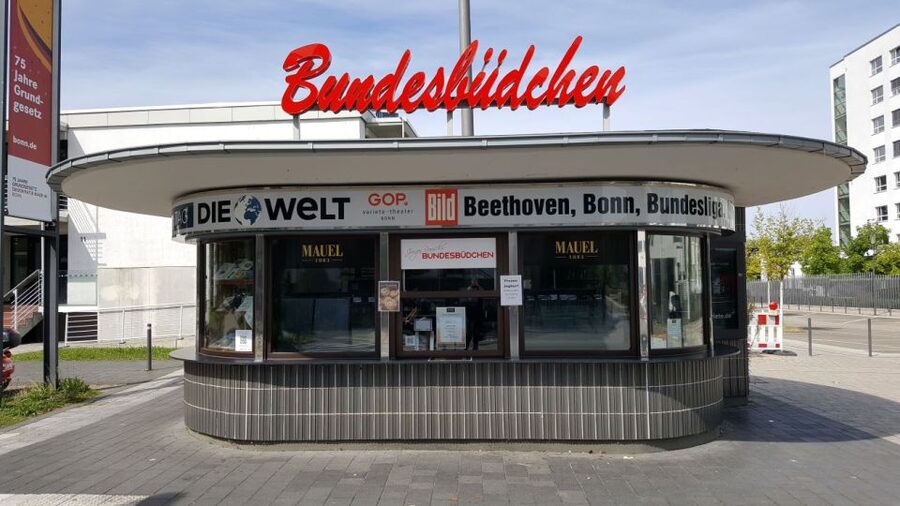
- A cheerful finish: End at the Bundesbüdchen, a small former checkpoint and Bonn landmark.
- German-language private guiding: The guide can shape the explanation to your group, but no English tour is offered.
Why Bonn’s former capital makes a good walking subject
Bonn can feel modest beside Berlin, yet that is part of its appeal. From 1949 until reunification, this Rhine city served as the capital of West Germany. The political center was not built around one grand royal avenue. Instead, ministries, villas, offices, parliamentary buildings, and diplomatic sites spread through a walkable district.
This tour gives you a useful first look at that arrangement. You begin near Museum Koenig, follow Adenauerallee, pass the old centers of political power, and finish near the former parliamentary quarter. The route is short enough to fit into a morning or afternoon, but it covers a period that shaped modern Germany.
I especially like the way the walk puts the Bonn Republic into physical terms. You are not only hearing about chancellors and postwar institutions. You are looking at the streets where those decisions were made, the residences used by senior officials, and the buildings that carried West Germany through the Cold War.
The setting also helps you understand Bonn’s change of role. After the government moved to Berlin, the district did not simply vanish. It became a mix of museums, United Nations offices, former government buildings, and modern towers. That contrast gives the walk its strongest visual thread.
A few more tours and experiences worth a look
- Cologne: Private Rickshaw Tour
★ 5.0 · 98 reviews - Cologne Private Walking Tour with a Local
★ 5.0 · 50 reviews - Cologne: Private Walking Tour of City Center
★ 4.9 · 46 reviews
Starting at Museum Koenig
Meet your guide in front of Museum Koenig. The museum is an important opening point because it provides one of the few indoor moments on the route, though the visit here is brief.
You will step into the bright entrance hall for a short look. The tour does not include a full museum visit or time with its exhibitions, so do not book this walk expecting a natural history museum tour. Instead, the foyer acts as a visual introduction before the group heads back outdoors.
From here, the guide explains the setting and begins the walk along Adenauerallee. The first movement is easy, with only short stretches between stops. That matters if you prefer a history walk that does not demand a long march before the story begins.
The name Adenauerallee points toward the political figure who later receives special attention: Konrad Adenauer, West Germany’s first chancellor. The route gradually builds toward that connection rather than presenting every political detail at once.
Villa Hammerschmidt and the old power network
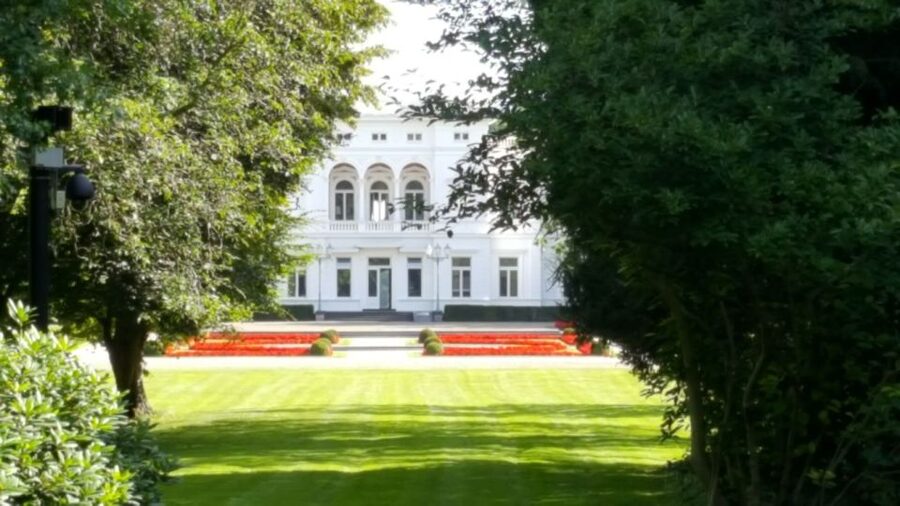
Villa Hammerschmidt comes next, viewed from outside. The building is associated with the office of the Federal President, and its appearance helps show how Bonn’s government district mixed formal state buildings with elegant residences.
You should expect a pass-by rather than an interior visit. The guide’s role here is to explain what the villa meant within the former capital and how it fit into the political quarter. The stop is scheduled for about eight minutes, enough to take in the exterior and place it in the wider story.
A short section of the route also includes a less obvious stop described as a hidden gem. The supplied details do not identify exactly what this feature is, so I would treat it as a guide-led discovery rather than plan around a specific monument. This is one of the useful benefits of a private walk: you can ask for the background behind details you might otherwise pass without noticing.
The route then reaches Palais Schaumburg. Like Villa Hammerschmidt, it is seen from the outside. The palace was tied to the federal government and chancellery during Bonn’s capital years, making it a strong example of the district’s blend of historic architecture and modern state administration.
Meeting Adenauer at Bundeskanzlerplatz
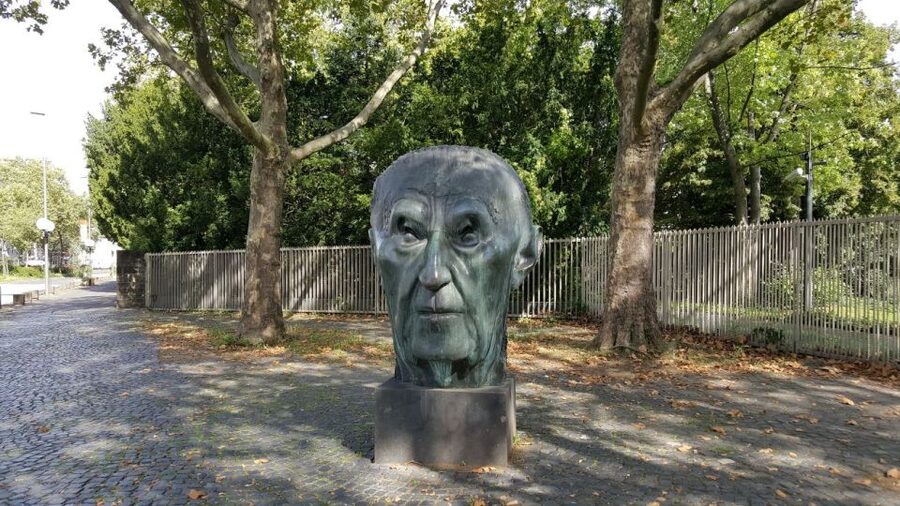
The Konrad Adenauer monument at Bundeskanzlerplatz is one of the tour’s main stops. The schedule allows about 15 minutes here, the longest single sightseeing period on the route.
That extra time makes sense. Adenauer was not simply another politician in Bonn’s story. As the first chancellor of West Germany, he helped shape the new federal republic after the Second World War. A stop at his monument gives the guide a natural point for explaining the early years of the Bonn Republic.
This is also where the tour moves from buildings to people. Villa Hammerschmidt and Palais Schaumburg show the machinery of government. Adenauer’s monument adds the human and political side of that machinery.
I would listen for the guide’s explanation of how Bonn became the seat of West Germany’s government and why the city developed the political character it did. The strongest feedback about this experience centers on the guide’s humor and command of the subject. One Dutch-speaking participant described learning a great deal about how postwar Germany functioned, while German participants praised the tour as highly educational, entertaining, and easy to follow.
Because the walk is private, you have room to ask about Adenauer, the capital decision, or the later move to Berlin. The tour is not advertised as an academic seminar, but this stop gives you a clear foundation for the rest of the route.
Something different for another day:
- Cologne: Panoramic City Cruise
★ 4.3 · 5,698 reviews - Cologne: Brewery Tour with 3 Kölsch Beer Tastings
★ 4.7 · 3,108 reviews - Cologne: Top Sights Rhine River Cruise – Skyline Tour
★ 4.4 · 3,030 reviews - Cologne: Chocolate Museum Entrance Ticket
★ 4.4 · 2,790 reviews
Views toward the villas, chancellery, and towers
As you continue, the guide points out distant views of Villa Hammerschmidt, Palais Schaumburg, and the former Federal Chancellery. These are not interior tours, and the buildings may be seen from a distance depending on the exact position along the route.
That limitation is worth understanding before you book. If you want to walk through offices or parliamentary rooms, choose a museum or building-specific visit instead. If you want to grasp how the district fits together, the distant views are useful because they let you connect several sites in one sweep.
The tour also includes a viewpoint. This is a chance to pause and take in Bonn’s changing skyline, including the Langer Eugen and the Post Tower. These two skyscrapers tell a different part of the city’s story. The Langer Eugen is closely linked with the old parliamentary era, while the Post Tower represents Bonn’s later role as a major corporate and international center.
The contrast is one of the walk’s best features. You see the quiet, formal architecture of the former government quarter, then look toward tall modern buildings that signal a city no longer serving as West Germany’s capital but still carrying national and international responsibilities.
Along the Bonn-Bundeshaus and former parliamentary quarter
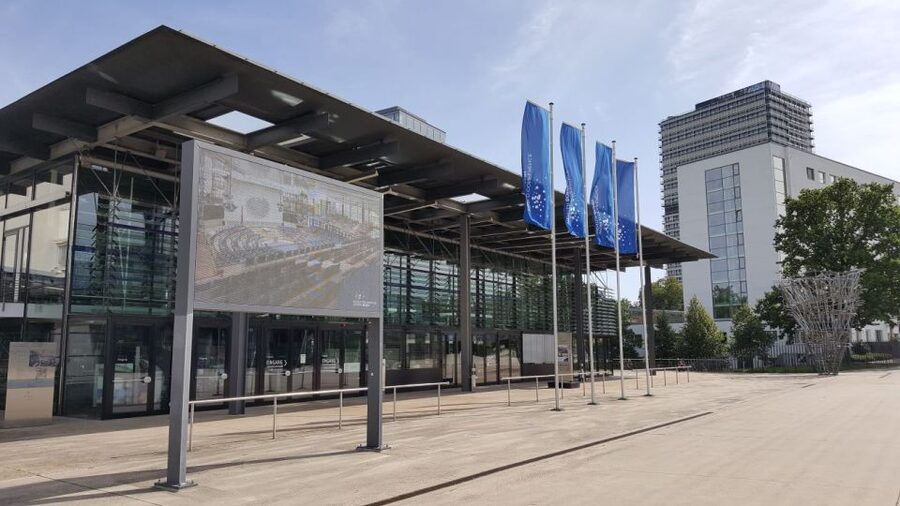
The route continues toward the Quay Bonn-Bundeshaus and then passes the Plenarsaal. Each section takes several minutes, with short walks between the points.
The Plenarsaal is especially meaningful for anyone interested in how West Germany’s political system operated. You will not enter for a session or an extended interior tour, but seeing the building in its setting helps turn an abstract lesson into something concrete.
The former parliamentary area also shows why a walking route works well here. The political story is spread across connected sites, and the guide can explain the relationship between them as you move. A building viewed alone can seem like just another official structure. Several buildings seen in sequence reveal a working government district.
The route then heads toward the present-day United Nations Plaza. This gives the walk a useful final chapter. Bonn’s political importance did not end when Berlin became the national capital. The city gained a strong international role, and the UN presence forms part of that later identity.
You will see the area from outdoors, with no promise of access to UN buildings. Still, the transition from West German government center to international campus is easy to read from the street.
Ending at the Bundesbüdchen
The Bundesbüdchen is the tour’s most playful stop. This small kiosk, once used as a checkpoint, marks the end of the walk. It is a modest structure, but that is exactly why it works as a closing image.
After grand villas, official buildings, monuments, and skyscrapers, the Bundesbüdchen brings the story back down to street level. It gives the tour a lighter finish and a memorable place to end. The stop lasts about six minutes, enough for an explanation and a final look.
I like this choice more than ending at another imposing government building. Bonn’s former capital was not only ministers and ceremonies. It was also daily routines, workers, quick purchases, and ordinary street life around the official quarter.
The planned return to Museum Koenig is by subway, shown as about ten minutes. The walking portion therefore finishes at the Bundesbüdchen, while the listed route brings you back to the starting area afterward. Ask your guide about the exact return arrangements and any transit cost, since the provided tour details do not say that a subway ticket is included.
What the 90 minutes feels like
Ninety minutes is a sensible length for this subject. You get a clear outline of the district without committing half a day to a specialized political history program.
The timing is fairly active. The route includes many short walks, then stops lasting from roughly three to 15 minutes. You should wear comfortable clothes and prepare for changing weather because nearly all of the experience takes place outdoors.
The tour is wheelchair accessible, which is important for a route through an urban district. Still, outdoor conditions can affect comfort, and one German participant specifically praised the experience despite unpleasant weather. That suggests the guide can keep the explanation engaging when the skies are less cooperative, but you should still dress for the forecast.
The pace should suit you if you like moving between sites while listening. It may feel too brief if you want long photo stops, detailed architectural analysis, or entry into each building. The 20-minute Koenig Museum visit in the schedule refers to the opening portion of the route, but the actual indoor access is described as a short look into the foyer, not a full museum tour.
What the private price means
The price is $117 per group of up to two people. That is not the cheapest way to see Bonn from the outside, but the value changes if you are traveling as a pair and want a dedicated guide.
For two people, the cost works out to $58.50 each. You are paying for a private German-language explanation, a carefully connected route, and the ability to ask questions without competing with a large group. If political history is a priority, that personal attention can make the price reasonable.
For one person, the cost is harder to justify unless you strongly value private guiding. For a couple or two friends, the group pricing is more attractive. The tour also offers free cancellation up to 24 hours in advance and a reserve-now, pay-later option, which helps if your Bonn plans are still shifting.
The price does not appear to include museum admission because the tour only provides a short foyer look. It also does not state that public transport is included. Keep those points in mind when comparing the experience with a longer museum visit or a standard group tour.
Who will get the most from this walk
I would choose this tour if you want a strong orientation to Bonn’s former political center before exploring the city on your own. It is particularly useful for adults and older teenagers interested in postwar Germany, the Cold War period, government architecture, or the country’s transition from Bonn to Berlin.
It also suits visitors who prefer a private pace. You can ask why a building matters, clarify a political term, or request more detail about Adenauer without waiting for a guide to finish addressing a crowd.
The tour is less suitable for children under 16, since that is the stated age restriction. It is also not the right choice if your main goal is indoor sightseeing. You will not tour the Koenig Museum’s collections, enter the villas, or explore the UN Campus from inside.
German ability is essential. The live guide speaks German, and no other language is listed. If you understand German well enough to follow historical explanations, the humor praised in the feedback can make the walk especially enjoyable. If you do not, the experience will not be a practical choice.
My verdict on the Bonn Republic tour
I like this as a focused introduction to a part of Bonn that many people pass without understanding. The route links Adenauer’s monument, the former government buildings, the parliamentary quarter, the UN area, and the Bundesbüdchen into one readable story.
Its strongest qualities are the private format, the lively guide style, and the clear postwar focus. The high rating of 5 from 127 bookings fits the specific praise: the guide is described as humorous, highly informed, educational, and engaging even in poor weather.
Book it if you are two adults, speak German, and want context more than interiors. Skip it if you need an English tour, are traveling with younger children, or want to spend your time inside museums and government buildings. For the right audience, $117 buys a compact and thoughtful way to understand why Bonn still matters.
FAQ
Where does the tour begin?
It begins in front of Museum Koenig in Bonn.
How long does the experience last?
The tour lasts 90 minutes.
What language is the tour offered in?
The live tour is offered in German.
Is this a private tour?
Yes. It is exclusive to your group, with a maximum group size of two people at the stated price.
What is the price?
The price is $117 per group of up to two people.
Is the tour wheelchair accessible?
Yes, the activity is listed as wheelchair accessible.
Are children allowed to join?
Children under 16 are not permitted.
Does the tour include entry to Museum Koenig?
The tour includes only a brief look into the bright foyer of Museum Koenig. It does not describe a full visit to the museum exhibitions.
Where does the route finish?
The walking route ends at the Bundesbüdchen. The planned return to Museum Koenig is shown by subway and takes about ten minutes.
Just added around Cologne
- e-Scavenger hunt Aachen: Explore the city at your own pace★ 4.0 · 13 reviews
- RhineRiverBoatTour from Bonn to Königswinter with Live Guide★ 4.3 · 13 reviews
- Cologne Walking Tour with Audioguide: City and Cathedral★ 4.5 · 14 reviews
- Aachen Scavenger Hunt and Sights Self-Guided Tour★ 5.0 · 14 reviews
- Roman Cologne: A Self-Guided Audio Tour★ 4.0 · 15 reviews
- Bonn: Private Guided Walking Tour★ 4.3 · 15 reviews
- Cologne: Fables, Fairy Tales, and Legends Tour in German★ 4.9 · 15 reviews
- Cologne: Virtual escape game adventure at 7th Space★ 4.3 · 15 reviews
Cologne Tours, compared.
Virtual Reality Time Travel Experience Ticket
Read our review →
The Night Watchman Old Town Walking Tour in German
Read our review →Browse the lists this tour appears in