
Reviewed · REEPERBAHN & NIGHTLIFE TOURS
Hamburg: St. Pauli Tour of the Reeperbahn
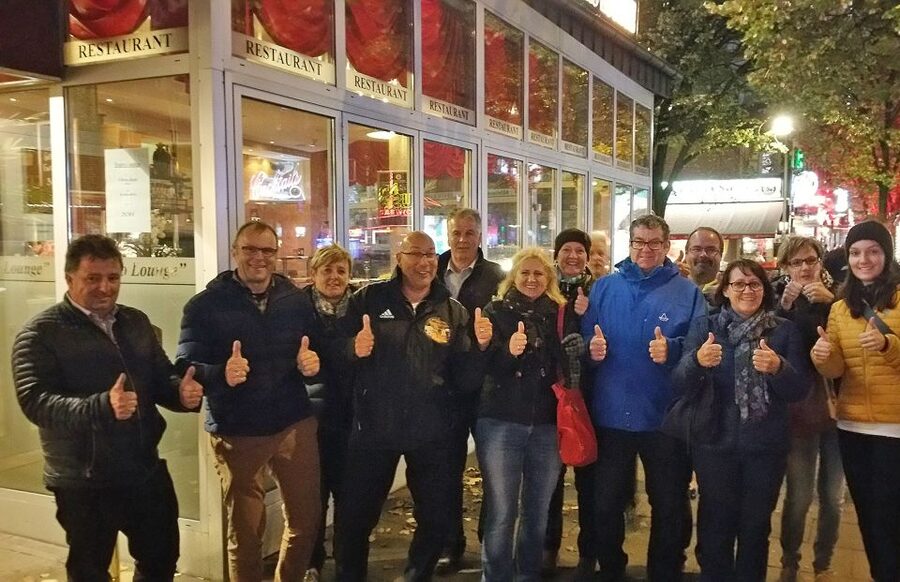
Sinful streets tell surprisingly human stories. This 2.5-hour walking tour shows you how St. Pauli has changed, from its famous red-light landmarks to its bars, clubs, restaurants, and everyday neighborhood life. I like the local insider approach, especially when guides such as Matze connect the streets with people and personal stories. I also like that the tour includes a welcome schnapps and one drink at a neighborhood pub.
The main drawback is the language: the live tour is offered in German only. Cold weather can also make a long outdoor walk less pleasant, and access to the pub stop may not work well for every age group, as one recent outing showed. Still, at $16 per person, this is a strong-value introduction to Hamburg’s most famous nightlife district.
In This Review
- Key points at a glance
- Starting beneath the Dancing Towers
- Why St. Pauli needs a local guide
- The Dancing Towers and the changing face of the Reeperbahn
- Spielbuden Square and the public face of St. Pauli
- Herbertstraße and the adult-entertainment tradition
- Große Freiheit and the club district
- Hamburger Berg, bars, and the included drink
- The Davidwache and staying out of trouble
- What the 2.5-hour format feels like
- Who will get the most from this tour
- Is $16 a fair price?
- Final verdict: book it if you want context, not just neon
- FAQ
- Where does the St. Pauli Reeperbahn tour meet?
- How long does the tour last?
- What language is the tour offered in?
- What is included in the tour?
- Which places are included on the route?
- Is the tour wheelchair accessible?
- Can I cancel the booking?
- Can I reserve now and pay later?
Key points at a glance
- Local guides bring St. Pauli to life: Matze is described as someone who grew up in the district, while Jürgen has also led engaging tours.
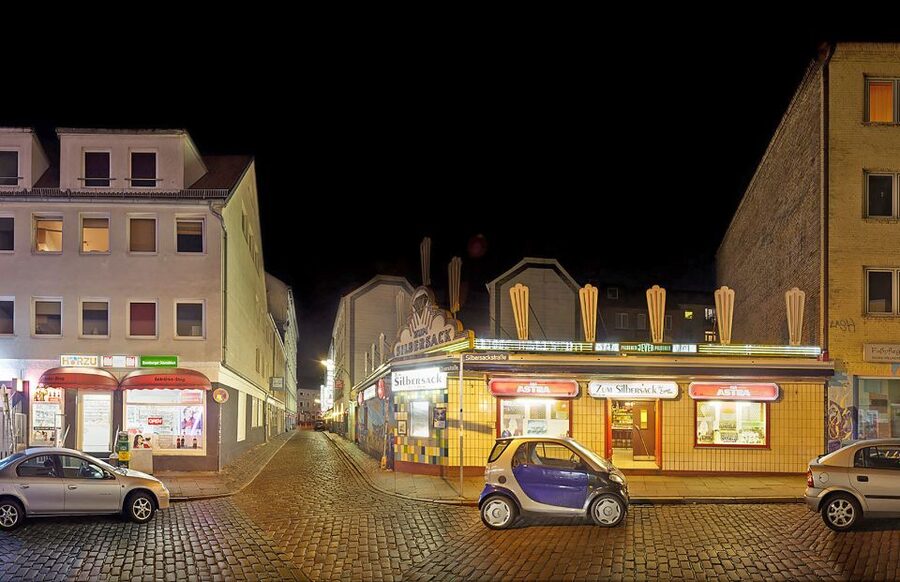
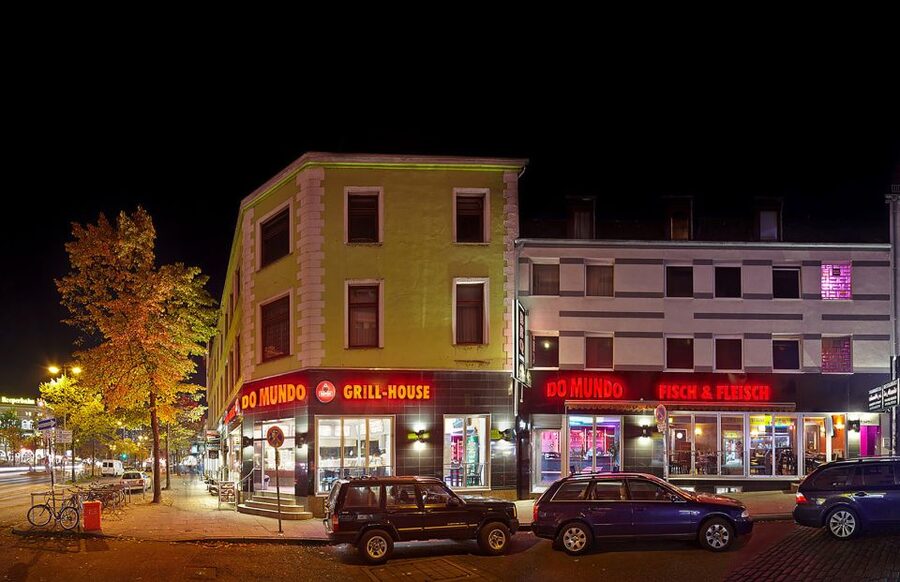
- You see more than the red-light district: The route includes the Dancing Towers, Große Freiheit, Spielbuden Square, Hamburger Berg, Herbertstraße, and the Davidwache.
- The tour explains change over time: You get context on what St. Pauli used to be and how entertainment, culture, food, hotels, and nightlife now share the area.
- The price includes two small extras: You receive a welcome schnapps and one drink at a neighborhood pub.
- Practical nightlife advice is part of the walk: Your guide points out places where customers are treated fairly and explains precautions for an evening out.
- German is the only listed tour language: You should be comfortable following a live German-speaking guide.
Starting beneath the Dancing Towers
The meeting point is easy to identify once you reach the Reeperbahn. Meet on the square in front of the Dancing Towers, at the corner of Reeperbahn and Zirkusweg, beside the clock with the red base.
The location is directly opposite BrewDog and within sight of the St. Pauli U-Bahn station. That matters because the Reeperbahn is busy with signs, lights, entrances, and people moving in every direction. A clear landmark saves you from wandering around looking for a tour flag.
I would arrive a little early, especially if you are unfamiliar with Hamburg. The tour begins outdoors, and you will spend about two and a half hours on foot, so wear shoes that can handle city pavement and bring a warm layer in colder months.
The Dancing Towers make a fitting starting point. They are one of the modern visual markers of St. Pauli, while the streets around them lead quickly into older entertainment zones. In a few steps, you begin to see the central theme of the walk: new architecture beside old institutions, polished venues beside rougher corners, and ordinary city life beside adult entertainment.
The group format is intended to be small, which should make it easier to hear the guide and ask questions. That personal contact is important here. St. Pauli is not a place you understand simply by reading names from a map.
More Reeperbahn and St. Pauli nights:
- Hamburg: Sex and Crime in St. Pauli Tour for Ages 18+
★ 4.7 · 15,447 reviews - Hamburg: Reeperbahn Lust & Laster Tour for Adults Only
★ 4.7 · 5,440 reviews - Hamburg: Insider Tour of the Reeperbahn & St. Pauli
★ 4.7 · 5,057 reviews
Why St. Pauli needs a local guide
The Reeperbahn is famous around the world, but fame can flatten a place into a collection of neon signs. A good guide gives you the missing links: how the district worked in the past, how its businesses changed, and why different kinds of people still come here.
This tour presents St. Pauli as more than a red-light strip. You hear about entertainment and culture, bars and restaurants, nightclubs and hotels, fast food and more polished dining. The point is not to pretend every part of the district is equally glamorous. It is to show you the full mix.
I especially like the emphasis on stories and anecdotes. The guide is not only naming streets. You are encouraged to ask questions, and the strongest guides appear to respond with personal knowledge rather than a memorized speech.
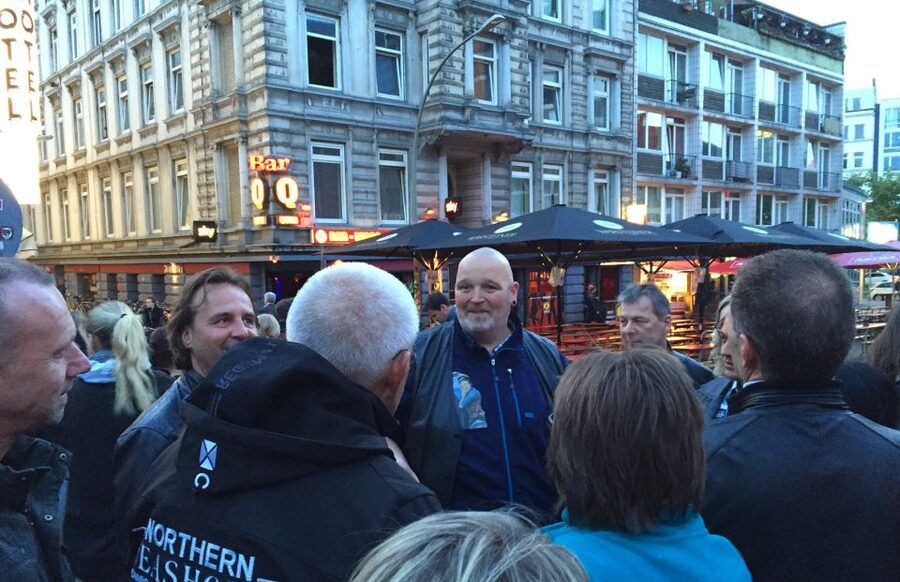
Matze receives especially high praise for his connection to the neighborhood. He is described as having grown up in the Kiez, the local term for this part of town, and as knowing many people who work there. That can make a difference when a guide recognizes a door attendant or pauses for a quick greeting. It gives the walk a sense of present-day St. Pauli, not just a history lesson.
Jürgen is also praised for explaining life on the Reeperbahn in an interesting way. Since guide quality can shape this tour, the individual leading your group matters. The available information identifies Matze and Jürgen as guides who have received particularly warm feedback, but your assigned guide may differ.
The Dancing Towers and the changing face of the Reeperbahn
The Dancing Towers are more than a meeting point. They introduce the modern side of the district and help frame the tour’s discussion of change.
From here, you move into an area that has long been tied to nightlife, but the surroundings now include offices, hotels, food outlets, bars, and newer entertainment venues. The contrast is useful: St. Pauli is not frozen in the era of sailors, cabarets, and old red-light stories.
Your guide explains how the district has shifted over time and what it once looked like. That historical comparison gives more meaning to the sights ahead. You may see a famous venue, but you also learn why it became famous and what role it plays in the district today.
This part of the walk is also a good test of the tour’s style. If you want only quick photo stops, the route may feel talk-heavy. If you want to understand why one street has such a reputation, the stories are the main value.
Spielbuden Square and the public face of St. Pauli
Spielbuden Square is one of the tour’s central areas. It helps show the public, theatrical side of St. Pauli, where entertainment has long been part of the district’s identity.
The square connects the Reeperbahn with several nearby sights and venues. Here, you can expect an explanation of how public entertainment, nightlife, and tourism overlap. It is also a useful place to notice the difference between the district’s image and its daily reality.
I would pay attention to the guide’s explanation of who uses these streets and at what time. St. Pauli changes as the day goes on. A street that feels like a normal city route in daylight may take on a very different character after dark.
The tour does not promise a show or entry to any major attraction. This is a walking tour, so the value comes from the guide’s interpretation, the route, and the chance to ask questions. You see the outside of the district’s landmarks rather than treating the Reeperbahn as a ticketed attraction.
Something different for another day:
- Hamburg: 1.5-Hour Harbor and Speicherstadt Day Cruise
★ 4.6 · 14,200 reviews - Hamburg: 90-Minute Evening Lights Harbor Cruise
★ 4.5 · 7,728 reviews - Hamburg: 2-Hour XXL Port of Hamburg Cruise Tour
★ 4.7 · 6,979 reviews - Hamburg: Line A Sightseeing Hop-On Hop-Off Bus Tour
★ 4.6 · 6,958 reviews
Herbertstraße and the adult-entertainment tradition
Herbertstraße is one of the most famous names connected with Hamburg’s red-light district. The tour includes it as part of its look at the erotic side of St. Pauli and the institutions that have shaped the area’s reputation.
This is a place where respectful behavior matters. You should listen carefully to the guide’s instructions and avoid treating people or workplaces as scenery. The tour’s subject is adult entertainment, but the better approach is social context, not cheap shock.
The walk also helps explain that Herbertstraße is only one part of a much wider district. St. Pauli includes ordinary food businesses, bars, hotels, cultural venues, clubs, and residential life. If you expect the whole tour to focus on sex-industry stories, you may find the broader approach less sensational than expected. I see that as a strength.
The phrase most sinful mile in the world is part of the Reeperbahn’s public image, but the tour places that label beside the area’s other identities. You learn about the old reputation while also seeing how the neighborhood has developed beyond it.
Große Freiheit and the club district
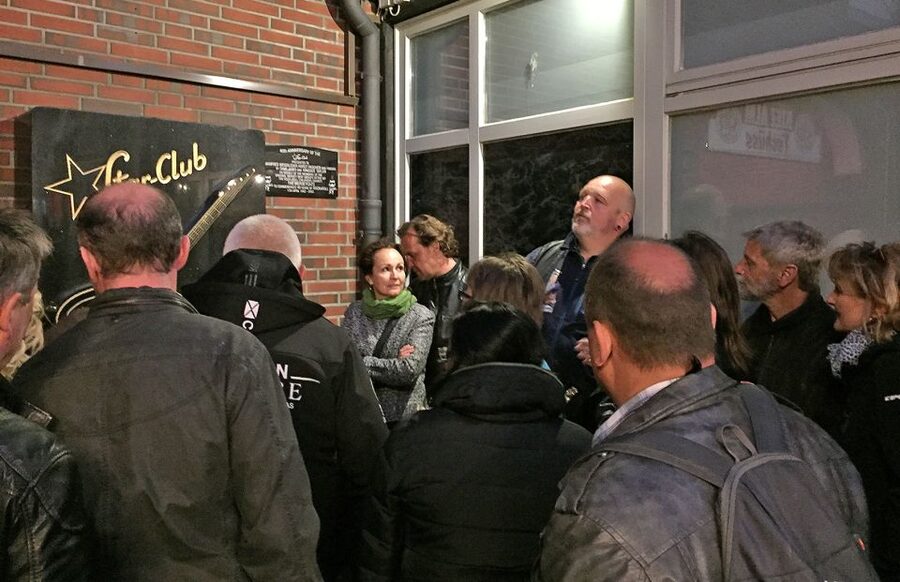
The Große Freiheit area is another major stop. Its name is closely linked with clubs, music, nightlife, and the entertainment business that made St. Pauli famous far beyond Hamburg.
Here, the guide can help you sort out the difference between a place that has real local importance and one that simply uses the Reeperbahn name for marketing. The tour includes recommendations for clubs and restaurants, which can be useful if you plan to return later in the evening.
The advice is not limited to where to go. You also learn how to avoid places where customers may be pressured or overcharged. That practical warning is one of the most useful parts of the experience, because the Reeperbahn’s mix of nightlife and tourism can be confusing for first-time visitors.
You should not expect a guaranteed club entry, reserved table, or nightlife package. The tour gives you information and orientation. You decide what to do afterward.
Hamburger Berg, bars, and the included drink
The Hamburger Berg area adds another layer to the tour. It is associated with bars and nightlife, and it helps show how many different types of evening venues operate close together.
The included drink at a neighborhood pub gives the group a short break from the street. You also receive a welcome schnapps, a small but fitting touch for a tour centered on Hamburg nightlife.
I would treat these inclusions as pleasant extras rather than the reason to book. At $16, they improve the value, but you are mainly paying for the walking route and the guide’s stories.
There is one practical caution. A recent tour included a participant aged 16, and the guide explained that the young person could not enter the pub. The planned pub was closed that evening, and no alternative was offered. This appears to be an isolated problem rather than the core design of the tour, but it shows why families and mixed-age groups should ask about the drink stop before booking.
Because the tour is in German, you should also consider how much discussion you can follow in a noisy bar. The guide may be excellent, but background noise and nightlife crowds can make spoken language harder to catch.
The Davidwache and staying out of trouble
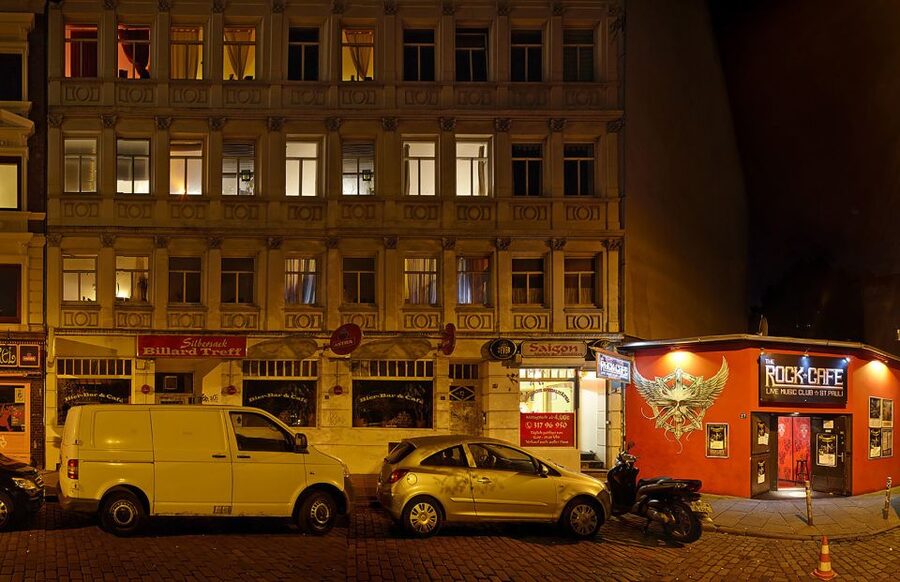
The Davidwache is one of the best-known police stations in Germany and an important stop on the route. Its presence adds a practical note to a tour that could otherwise focus only on entertainment.
Your guide explains how to take sensible precautions in St. Pauli. That does not mean you need to fear the district. It means you should use the same care you would use in any busy nightlife area: watch your belongings, understand what you are buying, and do not allow yourself to be pressured into a venue or purchase.
The tour’s advice about customers being treated fairly is especially useful here. Your guide can recommend bars, clubs, and restaurants while pointing out places where you should be cautious. That kind of local orientation may save you more than the $16 tour price if you plan to spend the evening in the area.
The Davidwache also brings the tour back to reality. St. Pauli is not a theme park. People work here, live here, police it, and deal with the effects of nightlife. Seeing the district through that wider lens makes the experience more respectful and more useful.
What the 2.5-hour format feels like
Two and a half hours is long enough to cover the main areas without turning the tour into a rushed checklist. You have time to move between the Dancing Towers, the Reeperbahn, Spielbuden Square, Große Freiheit, Hamburger Berg, Herbertstraße, and the Davidwache.
The exact order may vary, and the tour’s strength is not a fixed sequence of photo stops. It is the way the guide connects locations with stories about the past and present.
You should expect most of the experience to take place outdoors. One outing was made harder by freezing weather, despite the guide’s efforts to keep the group interested. Choose a warmer day if your schedule allows, or dress for a long city walk if you are visiting in winter.
The tour is listed as wheelchair accessible. If you use a wheelchair, it is still sensible to confirm current route conditions when you book, since the experience passes through busy streets and nightlife areas.
Who will get the most from this tour
I would recommend it to first-time visitors who want more context before exploring the Reeperbahn on their own. It is also a good choice if you are curious about how nightlife, adult entertainment, food, tourism, and local life share the same few streets.
You will get the most from the tour if you:
- Understand spoken German well enough to follow a live guide
- Enjoy local stories and questions more than formal museum-style narration
- Want practical advice for choosing bars, clubs, and restaurants
- Are comfortable discussing adult entertainment in a direct but respectful way
- Can walk outdoors for two and a half hours
- Plan to spend additional time in St. Pauli afterward
I would be more cautious if you speak little or no German. The available tour language is German only, and translation may not capture the quick jokes, side comments, and local expressions that make this sort of walk work.
Families with teenagers should also check the pub arrangements. The advertised minimum age may allow older teenagers to join, but a young participant may not be able to enter the neighborhood pub. That is worth clarifying before you rely on the included drink stop.
Is $16 a fair price?
Yes, provided you want the guide rather than a self-guided stroll. The main sights are in a walkable area, and you could see many of them without paying. What you cannot easily reproduce is the local explanation of how the district changed, which venues matter, and how to handle the nightlife scene sensibly.
The welcome schnapps and pub drink add modest value. The bigger benefit is saving you from making poor choices during an evening out. A recommendation from someone familiar with the district can be more useful than a long list of internet rankings.
The price also keeps the commitment low. If you discover that St. Pauli is not your kind of nightlife area, you have spent only $16 and two and a half hours. With free cancellation up to 24 hours ahead and the option to reserve before paying, you can fit it into a flexible Hamburg plan.
Final verdict: book it if you want context, not just neon
I would book this tour if you want to understand the Reeperbahn as a real district, not just photograph its famous signs. The strongest part is the human touch: guides such as Matze and Jürgen are praised for making the walk personal, detailed, and open to questions.
Book it especially if you plan to go out in St. Pauli afterward. The advice about fair venues, practical precautions, and the difference between the district’s old image and its current mix of businesses can improve the rest of your evening.
Skip it if you need an English tour, dislike adult-entertainment topics, or want indoor sightseeing. Also reconsider a winter booking if you are poorly prepared for cold weather. For German-speaking visitors who want an affordable, candid introduction to Hamburg nightlife, this is a well-priced and worthwhile walk.
FAQ
Where does the St. Pauli Reeperbahn tour meet?
The meeting point is the square in front of the Dancing Towers, on the corner of Reeperbahn and Zirkusweg. Look for the clock with the red base, directly opposite BrewDog and within sight of the St. Pauli U-Bahn station.
How long does the tour last?
The walking tour lasts 2.5 hours.
What language is the tour offered in?
The live tour guide speaks German. German is the only language listed for this experience.
What is included in the tour?
The price includes the walking tour, a local guide, a welcome schnapps, and one drink at a neighborhood pub.
Which places are included on the route?
The tour includes the Dancing Towers, Große Freiheit, Spielbuden Square, Hamburger Berg, Herbertstraße, the Davidwache, and other parts of St. Pauli.
Is the tour wheelchair accessible?
Yes, the activity is listed as wheelchair accessible.
Can I cancel the booking?
You can cancel up to 24 hours in advance for a full refund.
Can I reserve now and pay later?
Yes. You can reserve your place and pay later, which keeps your travel plans flexible.
Just added around Hamburg
- Mister X Hamburg 2h city tour, hunting & games for all ages★ 5.0 · 13 reviews
- Hamburg: Private 1.5-Hour Walking Tour of St. Pauli★ 4.9 · 13 reviews
- Yacht Sailing After Work Tour of Hamburg Harbor★ 5.0 · 13 reviews
- Free Tour: Port, Red Light District and Beatles. You decide how much to pay at the end★ 3.9 · 13 reviews
- Private 5-Hour Hamburg Countryside Tour with a former policeman★ 5.0 · 14 reviews
- Hamburg: After work Millerntor stadium tour with drinks★ 4.8 · 14 reviews
- Hamburg: Guided Walking Tour★ 4.2 · 14 reviews
- Hamburg: Tour of Blankenese on the Banks of the Elbe★ 4.5 · 14 reviews
Reeperbahn & Nightlife Tours, compared.
Sex and Crime in St. Pauli Tour for Ages 18+
Read our review →
Reeperbahn Lust & Laster Tour for Adults Only
Read our review →

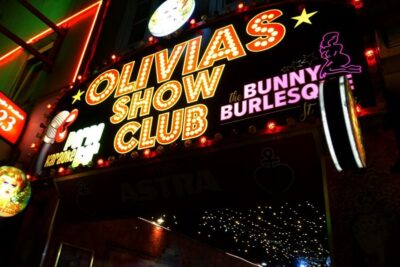
In the Footsteps of “Olivia” Reeperbahn Tour
Read our review →
St. Pauli Highlights Guided Tour with Beer for 18+
Read our review →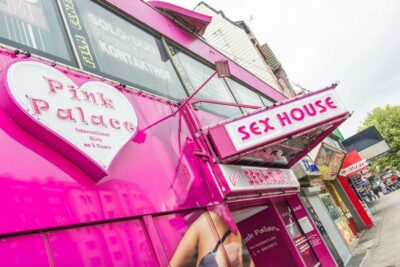
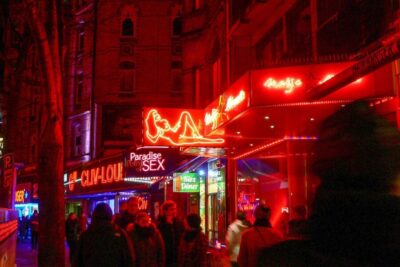
Reeperbahn Quickie, The Short & Sexy St. Pauli Tour
Read our review →Browse the lists this tour appears in