
Reviewed · HAMBURG TOURS
Hamburg: Speicherstadt and HafenCity Tour
Hamburg’s past and future meet by the water. This two-hour walking tour links the brick warehouses of Speicherstadt with the polished architecture of HafenCity, giving you two very different views of the city in one compact outing. I like the clear contrast between old trading buildings and new cultural landmarks, and I like that the guide adds historical context instead of simply pointing out façades. The main consideration is language: the tour is conducted in German, so you will get the most from it if you understand German comfortably.
I also like the reasonable price of $18 per person, especially because a live guide and a visit to the Kesselhaus are included except on Mondays. The walk is wheelchair accessible, but you should still expect an outdoor route through two urban districts, so comfortable shoes and weather-ready clothing make sense.
In This Review
- Key points to know before you book
- Why this short Hamburg walk works
- Meeting at Sandtorkai 74
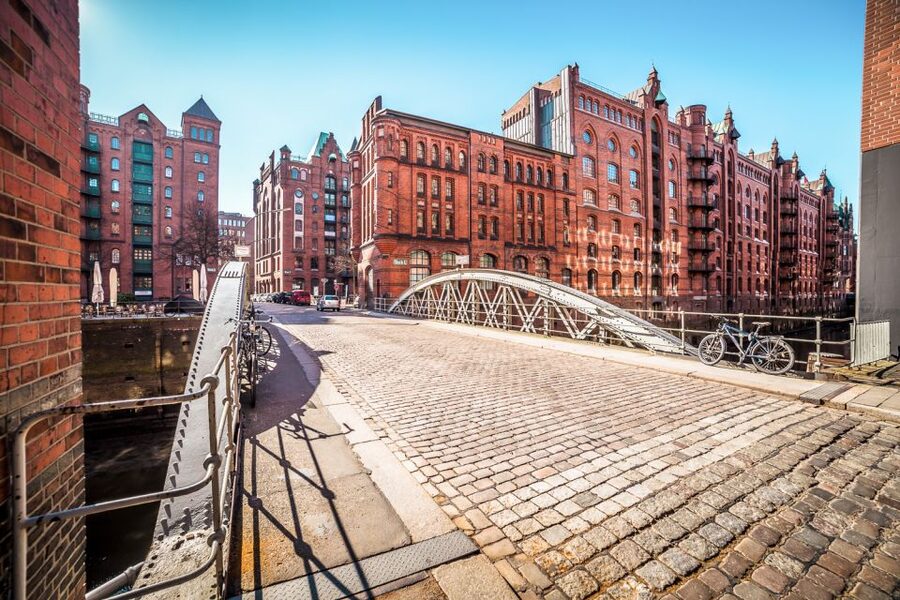
- Entering Speicherstadt and its brick warehouses
- The Kesselhaus stop, except on Mondays
- Following the smell of coffee or spices
- Crossing into modern HafenCity
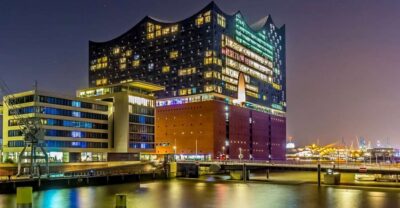
- Reaching the Elbe Philharmonic Hall
- The guide makes the difference
- Price, timing, and practical value
- Who will enjoy this tour most
- Should you book the Speicherstadt and HafenCity walk?
- FAQ
- Where does the tour meet?
- How long does the tour last?
- What language is the tour conducted in?
- Is the tour wheelchair accessible?
- Is the Kesselhaus visit included?
- Are food and drinks included?
- Can I visit a coffee roaster or the Spice Museum?
- What is the cancellation policy?
Key points to know before you book
- Speicherstadt and HafenCity in one walk: You move from Hamburg’s former warehouse district to its newest urban quarter without needing separate tours.
- A useful lesson in practical architecture: Speicherstadt was built for convenience and trade rather than decoration, yet its different buildings form a pleasing whole.
- The Kesselhaus adds historical focus: The visit is included except on Mondays, giving the tour an indoor point connected to Speicherstadt’s working past.
- Coffee or spices shape the stop: You may follow the aromas toward a coffee roaster or choose the Spice Museum, depending on what interests you most.
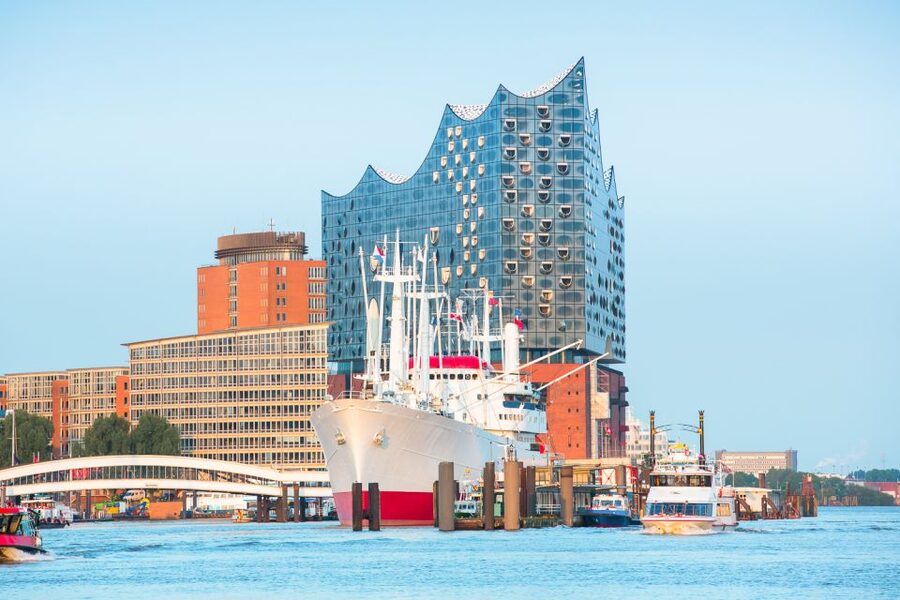
- The Elbe Philharmonic Hall anchors the route: The tour ends near one of Hamburg’s most discussed modern buildings, begun in 2007.
- German-language guiding only: Strong German skills matter more here than they would on a simple photo walk.
Why this short Hamburg walk works
Hamburg can feel scattered when you first arrive. The harbor, warehouse district, new concert hall, and modern waterfront do not all fit into one obvious sightseeing route. This tour helps you connect the pieces on foot.
In two hours, you get a compact introduction to the city’s old commercial center and its newer development. That timing is useful if you have only a day in Hamburg, or if you want an orientation walk before exploring the districts on your own.
The tour does not try to cover all of Hamburg. That is a strength. Its subject is focused: how the city moved from a port built around storage and trade toward a new waterfront district shaped by culture, design, and public space.
The guide leads in German, and the strongest feedback points to clear, well-prepared explanations. One guide, Hannes, is praised for his knowledge of the area, while Christian is described as friendly, entertaining, and full of useful facts. Another guide used an iPad to show photographs that supported the explanation. That detail matters because Speicherstadt has changed over time, and old images can make the former warehouses easier to understand.
Other Hamburg trips people book alongside this one:
- Hamburg: Sex and Crime in St. Pauli Tour for Ages 18+
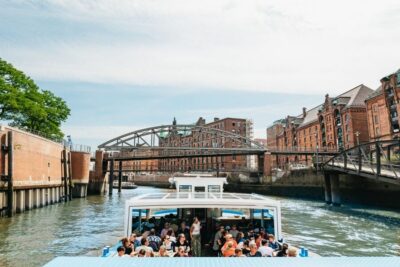
★ 4.7 · 15,447 reviews - Hamburg: 1.5-Hour Harbor and Speicherstadt Day Cruise
★ 4.6 · 14,200 reviews - Hamburg: 90-Minute Evening Lights Harbor Cruise
★ 4.5 · 7,728 reviews
Meeting at Sandtorkai 74
The meeting point is directly at Sandtorkai 74, at the corner of Sandtorkai and Kaiserkai. Look for the square in front of the stairs and the white wall with the hole in the middle.
This is worth reading carefully. Sandtorkai is not a vague neighborhood meeting point where you simply wait beside the harbor. You need to find the particular square and wall described above. Give yourself a little time to get there, especially if you are unfamiliar with HafenCity’s broad streets and modern blocks.
Once the group is together, the route begins in an area where old and new Hamburg are already close at hand. That makes the location practical: you are not spending the first part of the tour traveling out to the subject.
Entering Speicherstadt and its brick warehouses
Speicherstadt is the historical heart of the walk. Its large warehouse buildings were designed to store goods arriving through Hamburg’s port. The tour places them in the days of the Hanseatic League, the trading network that helped shape northern European commerce.
The important point is that these buildings were not planned mainly to look pretty. They were built for convenience, storage, and the needs of trade. That practical purpose helps explain their scale and repeated forms.
Yet the district does not feel ugly or purely industrial. Different architects designed the buildings, but the warehouses still create a unified picture. Individual structures reveal their own details, including exposed elements that break up the long brick walls. You will likely pay more attention to the relationship between the buildings than you would on a quick independent walk.
A guide is especially helpful here because the architecture can look repetitive at first. Without context, you see brick façades, tall windows, and waterways. With an explanation of how the district functioned, those features become clues to a working warehouse system.
The tour covers the storehouses as both historical places and present-day spaces. That yesterday-and-today angle keeps the district from becoming a frozen postcard. You learn why Speicherstadt mattered when Hamburg’s trade was organized around storage, then consider how the buildings fit into the city now.
This is one of the tour’s strongest sections for first-time visitors. You get history, architecture, and urban planning in one area, without needing a long lecture. The guide’s use of photographs can be particularly useful here, showing how the warehouses looked in earlier periods and helping you compare past and present.
The Kesselhaus stop, except on Mondays
The visit to the Kesselhaus is included in the tour, except on Mondays. It gives the walk a specific interior stop rather than keeping you outside for the full two hours.
The Kesselhaus is useful because it connects the district’s impressive façades with the practical work that took place inside and around the warehouses. I would treat this as an important scheduling detail. If your tour falls on a Monday, this part is not included, so the experience will place more weight on the outdoor walk and guide commentary.
The available information does not promise a long museum visit or a separate tasting. Think of the Kesselhaus as one stop within a guided city walk, not a full stand-alone attraction. Its value comes from helping you understand the working character of Speicherstadt.
Something different for another day:
- Hamburg: 2-Hour XXL Port of Hamburg Cruise Tour
★ 4.7 · 6,979 reviews - Hamburg: Line A Sightseeing Hop-On Hop-Off Bus Tour
★ 4.6 · 6,958 reviews - Hamburg: Elbphilharmonie Plaza Guided Tour
★ 4.7 · 5,882 reviews - Hamburg: Hamburg Dungeon Admission Ticket
★ 4.7 · 5,745 reviews
Following the smell of coffee or spices
At some point, the tour lets your nose guide your curiosity. You can decide if you would rather visit a coffee roaster or the Spice Museum.
That choice gives the walk a welcome sensory element. The warehouse district was tied to goods, and coffee and spices make that trading past feel more immediate than a list of dates and building names. You are not just looking at storage buildings. You are considering the products that helped make Hamburg an important port.
The coffee option will appeal to you if you want to connect the district with roasting and the familiar smell of freshly handled beans. The Spice Museum will suit you better if you prefer to explore the goods themselves and their role in Hamburg’s commercial identity.
The description does not state that food or drinks are included, so plan to pay for anything you purchase separately. This is a choice of visit, not a promised tasting stop. That distinction keeps expectations clear.
I like this part because it prevents the tour from becoming too architectural. The buildings matter, but the goods once stored inside them matter too. The choice also gives you a small way to shape the tour around your interests.
Crossing into modern HafenCity
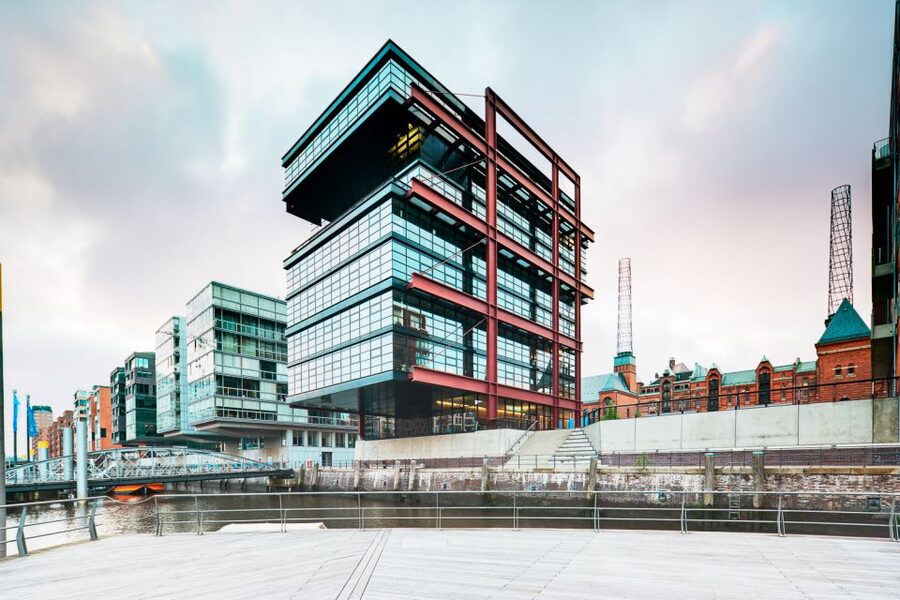
After Speicherstadt, the walk moves into HafenCity, Hamburg’s newer waterfront quarter. The change is immediate. Instead of historic brick warehouses designed for storage, you see modern buildings with more polished and sophisticated forms.
This contrast is the central idea of the tour. HafenCity is not presented as a replacement for Speicherstadt, but as a different answer to the question of how Hamburg should use its waterfront. The older district reflects port trade and storage. The newer quarter reflects contemporary city building and public life.
You will walk among the modern buildings and take in the maritime setting. The water remains part of the experience, but the architecture changes the mood. Modern lines, larger open spaces, and newer construction create a different sense of Hamburg from the enclosed brick passages of Speicherstadt.
A guide adds value here because new buildings can be difficult to interpret without context. You can easily photograph an unusual façade, but an explanation helps you understand why the district looks so different from the historic quarter next door.
The tour is also a useful lesson in contrast. If you visit HafenCity alone, you may see only a new development with striking buildings. If you see it directly after Speicherstadt, the difference becomes much clearer. The route turns two separate sightseeing areas into one story about Hamburg’s changing waterfront.
Reaching the Elbe Philharmonic Hall
The Elbe Philharmonic Hall lies at the end of the HafenCity and Speicherstadt area. It is one of the walk’s major visual payoffs.
The building is described as exciting and controversial, and construction began in 2007. Even without entering for a concert, its location gives the route a strong ending. You arrive at a building that represents Hamburg’s modern cultural ambitions, after spending much of the walk among warehouses tied to older trade.
I would not book this tour solely as a way to visit the concert hall. The information provided does not include an interior visit or concert access. The value is in seeing the building as part of HafenCity and hearing how it fits into the newer chapter of Hamburg’s story.
The hall also makes a useful final comparison. Speicherstadt was created for storage and commercial efficiency. The Philharmonic Hall is designed for culture and public attention. Their closeness shows how much the waterfront has changed, while also keeping Hamburg’s port identity in view.
The guide makes the difference
A two-hour walking tour lives or dies by its guide. Here, the strongest praise is directed at the people leading it.
Hannes is singled out for his impressive knowledge, while Christian receives praise for making the tour both informative and entertaining. Another guide came prepared with an iPad and used many photographs to support the spoken explanation. Those details suggest a tour that goes beyond memorized labels.
That matters because the route contains many buildings and historical layers. A weak guide could reduce Speicherstadt to brick walls and HafenCity to modern façades. A well-prepared guide can show how the pieces connect.
The feedback also points to a friendly tone. That is important on a group walk, where a formal lecture can become tiring after the first hour. The best version of this tour will give you facts while keeping the pace human and approachable.
Because the language is German, do not assume that visual appeal alone will carry the experience. If you understand only basic German, you may still enjoy the buildings and waterfront setting, but you will miss much of the tour’s main benefit: the explanations.
Price, timing, and practical value
At $18 per person, this is a modestly priced guided walk. You receive a two-hour tour, a live guide, and a visit to the Kesselhaus except on Mondays. Food and drinks are not included.
The price makes sense if you want structure and context rather than a self-guided stroll. You can walk through Speicherstadt and HafenCity for free, but you would need to research the Hanseatic connection, the purpose of the storehouses, and the development of HafenCity yourself. The tour saves that preparation time and gives you a route with a clear beginning and end.
Two hours is long enough to provide substance but short enough to fit around other Hamburg plans. You could use it early in your stay to get oriented, then return later to the district you liked best. You could also schedule it on a day when you want a focused walk without committing to a half-day activity.
The one scheduling caution is Monday. The Kesselhaus visit is excluded that day. Check the available starting times before booking, since the tour runs for two hours and the exact start time varies by availability.
Free cancellation up to 24 hours in advance and the option to reserve now and pay later make the booking less rigid. Those policies are helpful if your Hamburg schedule is still shifting, though they do not change the tour’s German-language format or Monday exception.
Who will enjoy this tour most
I would recommend this walk to first-time visitors who want a quick but meaningful introduction to Hamburg’s central waterfront districts. It is also a good fit if you enjoy architecture but want more than a photo stop.
History-minded visitors will appreciate the Speicherstadt section, especially the explanation of the Hanseatic trading era and the warehouses’ practical purpose. People interested in modern city design will get more from the HafenCity section and the discussion around the Elbe Philharmonic Hall.
The coffee roaster or Spice Museum choice adds interest for visitors who like food culture and trade history. It gives the route a more tangible connection to the goods associated with Hamburg’s port.
This tour is less suitable if you want an English-language experience, a food tasting, or entry to the Elbe Philharmonic Hall. It also may not satisfy you if you prefer a full-day tour that covers many parts of Hamburg. Its strength is focus, not breadth.
The route is wheelchair accessible, which makes it a practical option for many visitors. Still, you should be prepared for an outdoor walking experience and check the exact conditions if you have specific mobility needs, since the supplied details do not describe every surface or interior feature.
Should you book the Speicherstadt and HafenCity walk?
Book it if you want Hamburg explained through its waterfront architecture and you understand German. At $18, the tour offers good value, especially with the Kesselhaus visit included on most days and the chance to choose between a coffee roaster and the Spice Museum.
I would choose it for a first or second day in Hamburg. The route gives you a useful framework: Speicherstadt explains the city’s trading past, HafenCity shows its newer direction, and the Elbe Philharmonic Hall provides a memorable final marker.
Skip it if you need English commentary, a concert hall interior visit, or included food and drinks. But if German guiding works for you, this is a focused, fairly priced way to see two very different sides of Hamburg without wasting time finding the connections yourself.
FAQ
Where does the tour meet?
The meeting point is at Sandtorkai 74, at the corner of Sandtorkai and Kaiserkai. Meet on the square in front of the stairs, by the white wall with the hole in the middle.
How long does the tour last?
The tour lasts two hours.
What language is the tour conducted in?
The live tour guide speaks German. German is the listed tour language.
Is the tour wheelchair accessible?
Yes, the activity is wheelchair accessible.
Is the Kesselhaus visit included?
Yes, a visit to the Kesselhaus is included, except on Mondays.
Are food and drinks included?
No. Food and drinks are not included in the tour price.
Can I visit a coffee roaster or the Spice Museum?
The tour allows you to follow your preference and decide if you would like to visit a coffee roaster or the Spice Museum.
What is the cancellation policy?
You can cancel up to 24 hours in advance for a full refund. You can also reserve your place and pay later.
Just added around Hamburg
- Mister X Hamburg 2h city tour, hunting & games for all ages★ 5.0 · 13 reviews
- Hamburg: Private 1.5-Hour Walking Tour of St. Pauli★ 4.9 · 13 reviews
- Yacht Sailing After Work Tour of Hamburg Harbor★ 5.0 · 13 reviews
- Free Tour: Port, Red Light District and Beatles. You decide how much to pay at the end★ 3.9 · 13 reviews
- Private 5-Hour Hamburg Countryside Tour with a former policeman★ 5.0 · 14 reviews
- Hamburg: After work Millerntor stadium tour with drinks★ 4.8 · 14 reviews
- Hamburg: Guided Walking Tour★ 4.2 · 14 reviews
- Hamburg: Tour of Blankenese on the Banks of the Elbe★ 4.5 · 14 reviews
Hamburg Tours, compared.
Sex and Crime in St. Pauli Tour for Ages 18+
Read our review →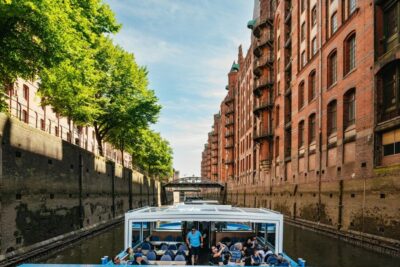
1.5-Hour Harbor and Speicherstadt Day Cruise
Read our review →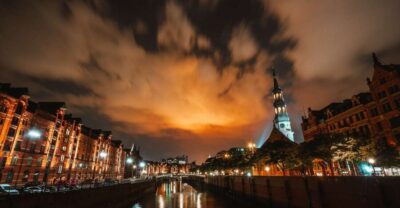
Reeperbahn Lust & Laster Tour for Adults Only
Read our review →Browse the lists this tour appears in