
Reviewed · REEPERBAHN & NIGHTLIFE TOURS
Hamburg: Reeperbahn & St. Pauli by Day
St. Pauli tells its best stories in daylight. This two-hour walking tour makes Hamburg’s famous district easier to understand, taking you from St. Pauli Stadium to Davidwache, Herbertstrasse, Hans-Albers-Platz, the Beatles square, and Große Freiheit. I like the clear route and the way it connects sailors, workers, artists, football, music, and nightlife. I also like that the tour costs $21, a fair price for two hours with a live guide.
The main thing to consider is the German-only commentary. You will need a good grasp of German to follow the stories and jokes. Also, St. Pauli is not polished in every corner. One poor rating described the area as shabby and objected to comments about Austrians, so the quality of the guide’s humor can matter as much as the subject itself.
In This Review
- Key points at a glance
- Why St. Pauli works better by day
- Starting at Millerntorplatz and St. Pauli Stadium
- From harbor-side settlement to entertainment district
- Davidwache and the story around Herbertstrasse
- Hans-Albers-Platz, the daytime crossroads
- The Beatles square and St. Pauli’s music side
- Große Freiheit, where the walk finishes
- What the guides add to the walk
- Is $21 a fair price for two hours?
- Who should book this St. Pauli walk?
- FAQ
- Where does the St. Pauli daytime tour meet?
- How long does the tour last?
- What language is the tour in?
- How much does the tour cost?
- What places does the tour visit?
- Are drinks included?
- Can I enter bars or clubs during the tour?
- Is the tour wheelchair accessible?
- Can I cancel the booking?
- Should you book it?
Key points at a glance

- A daytime look at the Reeperbahn: You see the district before the late-night crowds, when its streets are easier to study and the guide can explain how they developed.
- A practical two-hour route: The walk begins at Millerntorplatz and finishes around Große Freiheit, with enough time for several major sights without becoming an all-day commitment.
- St. Pauli beyond nightlife: The tour links the neighborhood’s harbor-side past with music, football, entertainment, and social change.
- Davidwache and Herbertstrasse: You get context for the famous police station and the nearby street associated with prostitution and crime.
- Beatles connections: A square dedicated to The Beatles adds a music-history stop to the walk.
- A guide-led experience in German: Past guides named Jenny, Kerstin, Guido Flo, and Ulf have been praised for making the walk friendly, amusing, and easy to follow.
Why St. Pauli works better by day

The Reeperbahn is best known as Hamburg’s nightlife strip, but daylight changes the picture. You can look at the buildings, street signs, public squares, and football references without dealing with the full nighttime rush. That makes this a useful first introduction, especially if you want more than a quick pass through the area after dark.
I like the idea of seeing St. Pauli as a neighborhood rather than only as an entertainment zone. Its identity comes from several strands: the harbor, working people, sailors, police, performers, football supporters, musicians, and the sex industry. A good guide helps you see how those parts sit beside one another.
The area also has family-friendly sights and activities during the day. That does not mean every street will feel suitable for every child, but the daytime setting is much less intense than the late-night version of the Reeperbahn. One family rated the tour highly after bringing teenage daughters, and another parent said a 12-year-old enjoyed it. The guide’s tone and your child’s age will still matter.
More Reeperbahn and St. Pauli nights:
- Hamburg: Sex and Crime in St. Pauli Tour for Ages 18+
★ 4.7 · 15,447 reviews - Hamburg: Reeperbahn Lust & Laster Tour for Adults Only
★ 4.7 · 5,440 reviews - Hamburg: Insider Tour of the Reeperbahn & St. Pauli
★ 4.7 · 5,057 reviews
Starting at Millerntorplatz and St. Pauli Stadium
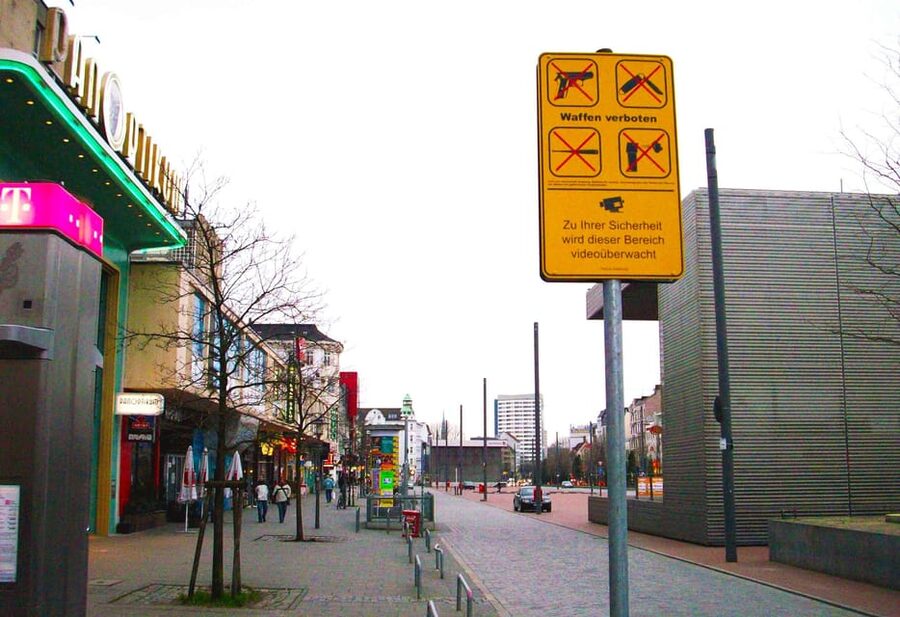
Your meeting point is outside St. Pauli metro station, at the Millerntorplatz and Reeperbahn exit. Look for the guide near the phone booth, carrying a white bag. The tour begins directly in front of the iconic St. Pauli Stadium, giving you a useful visual marker from the start.
This is a smart opening point. St. Pauli football is not just a sport reference in the district. The stadium helps set the tone for a neighborhood known for strong local identity and a culture that feels distinct from Hamburg’s more formal center.
Your guide will explain the route and introduce the area’s past before leading you into the streets. Since the walk lasts about two hours, this introduction needs to stay focused. That is a good thing for you. You get a clear sense of place without spending half the tour on a long lecture before moving.
The route is also manageable in length. A two-hour walk gives you time to stop and listen, but it does not demand the stamina or planning required by a full-day tour. Wear comfortable shoes, since the experience takes place entirely on foot.
From harbor-side settlement to entertainment district
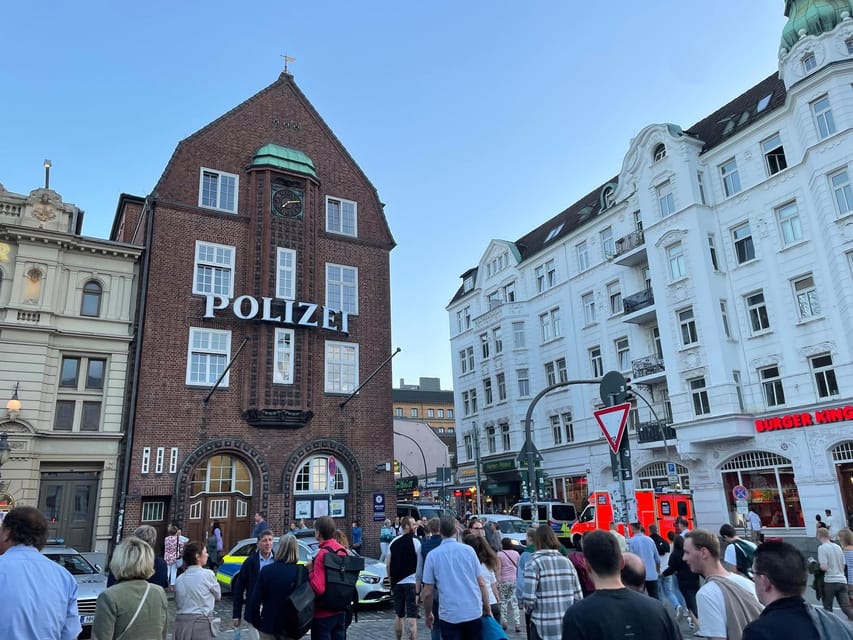
One of the most useful parts of the walk is the explanation of how St. Pauli changed over time. The neighborhood began as a harbor-side settlement for sailors and workers. That background helps explain why the area developed a reputation for practical businesses, nightlife, and entertainment.
Later, artists and performers added another layer to the district. St. Pauli became a place where people came to work, socialize, hear music, and find entertainment outside Hamburg’s more respectable core. Your guide’s job is to connect those changes instead of presenting a string of isolated facts.
I would pay close attention here, because this is where the tour offers value beyond a simple photo walk. You can look at a famous nightclub street on your own, but you may not understand why it became famous or how its purpose shifted over the years.
The district’s appeal comes partly from its contradictions. It can be rough around the edges yet welcoming. It can be linked to adult entertainment while also offering music history, football culture, and family-friendly daytime stops. The guide should help you hold those different ideas together without pretending St. Pauli is tidier than it is.
Davidwache and the story around Herbertstrasse
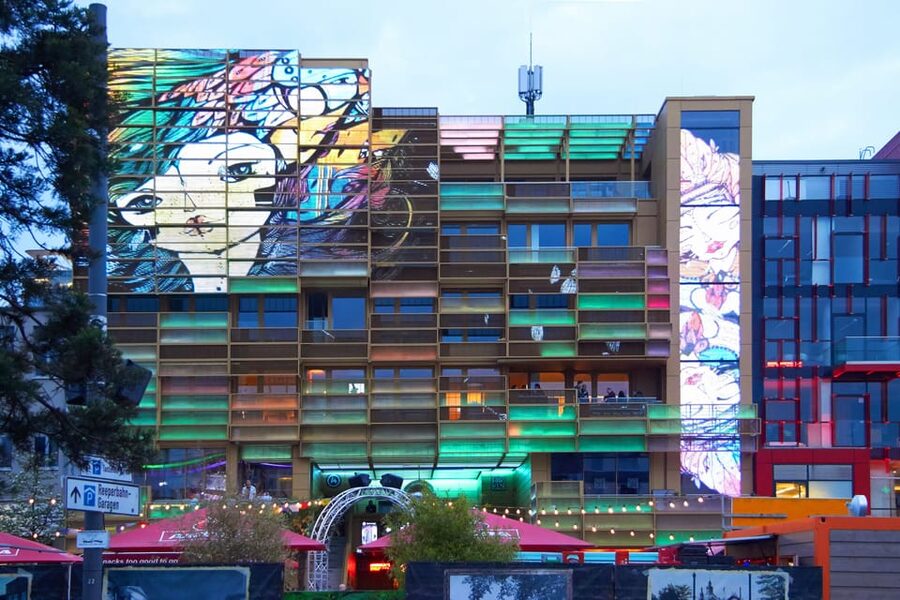
The walk continues toward the area around Davidwache, one of St. Pauli’s best-known police stations. The building and its location are tied closely to the district’s public image, so this stop gives you a chance to examine how law enforcement and nightlife have operated side by side.
Nearby Herbertstrasse brings a more sensitive subject. The street is notorious for its connection to prostitution and crime, and the guide explains its place in St. Pauli’s development. This is not a stop for anyone looking only for cheerful sightseeing. It is part of the district’s real story, and the tour treats it as a subject to understand rather than a spectacle.
You should expect the tone to be frank. The description of the tour makes clear that the guide discusses the street’s history and impact on the neighborhood. If you want a sanitized version of St. Pauli, this walk may feel too direct. If you want to understand why the Reeperbahn has its particular reputation, this section is important.
Keep your expectations realistic about what you will see. The tour includes the vicinity of Davidwache and Herbertstrasse, but it does not include entry into bars, clubs, or other venues. Drinks and admissions are also not included.
Something different for another day:
- Hamburg: 1.5-Hour Harbor and Speicherstadt Day Cruise
★ 4.6 · 14,200 reviews - Hamburg: 90-Minute Evening Lights Harbor Cruise
★ 4.5 · 7,728 reviews - Hamburg: 2-Hour XXL Port of Hamburg Cruise Tour
★ 4.7 · 6,979 reviews - Hamburg: Line A Sightseeing Hop-On Hop-Off Bus Tour
★ 4.6 · 6,958 reviews
Hans-Albers-Platz, the daytime crossroads

Hans-Albers-Platz is known locally as the Hamburger Bermuda Triangle, a playful name for a square associated with St. Pauli’s nightlife. During the day, you can examine the square without the full evening crowd, while your guide explains its role in the district’s social life.
This stop helps show how St. Pauli works as a public stage. Squares and streets here are not just routes between attractions. They are meeting points, nightlife markers, and places that carry layers of local memory.
The name Hans Albers adds a music and film connection to the area. The tour uses the square to explain the mood of St. Pauli, both in daylight and after dark. You will not be going out for drinks as part of the walk, but you will get a sense of why people come here to socialize and be entertained.
This is also a good point to judge the tour’s balance. A strong guide can make the subject entertaining without turning every story into a cheap joke. The ratings suggest that several guides have done this well. Jenny was praised as friendly, informative, and funny, while Kerstin was described as lively and interesting during a two-hour walk. Those are useful qualities for a neighborhood where the material can easily become crude or repetitive.
The Beatles square and St. Pauli’s music side
The Beatles connection gives the walk a lighter and more familiar thread. You visit a square dedicated to The Beatles, linking St. Pauli with the group’s early relationship to Hamburg’s club scene.
This stop matters because it shows that the Reeperbahn is not only about adult entertainment. Music helped shape the district’s international reputation, and the Beatles are the clearest name attached to that story. Even if you are not a serious Beatles fan, the connection adds a strong cultural reason to look at this part of Hamburg.
The stop also gives the tour a broader audience. Teenagers, music fans, and families may connect with it more readily than with the sections about prostitution or crime. One family specifically found the walk interesting and amusing for teenage daughters, while another family said the guide managed to make it work for both adults and a 12-year-old.
Do not expect a concert or a club entry. The Beatles square is a sightseeing and storytelling stop within a walking route. Its value comes from the context supplied by the guide.
Große Freiheit, where the walk finishes
The final major stop is Große Freiheit, a street closely tied to St. Pauli’s entertainment culture. Its name is famous far beyond Hamburg, and the guide explains how it has remained a place for dancing, drinking, and nightlife over the years.
Seeing Große Freiheit in daylight is useful because you can focus on the street itself. At night, the signs, crowds, and noise may take over your attention. During the day, the guide can point out the setting and explain why this street continues to attract people looking for entertainment.
The walk ends here after covering the main sights. That gives you a practical chance to continue exploring on your own, return to the metro, or come back later for the nighttime atmosphere. Since club and bar entry is not part of the tour, you will need to make separate plans if you want to experience St. Pauli after dark.
The daytime route is also a sensible choice if you are unsure about the Reeperbahn. You can learn the layout and decide later which parts you want to revisit. I prefer that approach to wandering in without any context.
What the guides add to the walk
The guide makes or breaks a neighborhood tour, and the feedback here points to several strong performances. Jenny was praised for being friendly, informative, and funny. Kerstin received repeated approval for an entertaining and lively presentation. Guido Flo was described as passing his first major test, with teenagers enjoying the walk as well. Ulf was praised for making the tour interesting and keeping a 12-year-old engaged.
Those comments point to a key strength: the best version of this tour is not a dry history lesson. It is a guided conversation through streets that can seem confusing or ordinary until someone explains what happened there.
The language is German, so you should book only if you can follow spoken German comfortably. Humor, local references, and quick explanations can be harder to understand than simple facts. The one poor rating also raises a fair warning about tone. The participant objected to repeated negative comments about Austrians. That does not prove the issue is common, but it reminds you that guides bring their own style and opinions.
If you are sensitive to rough humor or national stereotypes, keep that possibility in mind. Most of the available feedback praises the guides, but one negative experience is worth noting rather than brushing aside.
Is $21 a fair price for two hours?
At $21 per person, this is reasonably priced for a guided two-hour walk in one of Hamburg’s most talked-about districts. You are paying for a live German-speaking guide, local context, and a route that covers several major areas without requiring extra admissions.
The value is strongest if you are new to St. Pauli. A guide gives you a framework for understanding the police station, Herbertstrasse, Hans-Albers-Platz, the Beatles connection, and Große Freiheit. Without that context, you may see a collection of nightlife streets and miss the links between them.
The value is weaker if you only want to enter bars, hear live music, or spend the evening in clubs. None of those are included. This is a walking and storytelling tour, not a nightlife package.
The flexible booking terms also help. You can cancel up to 24 hours before the start for a full refund, and you can reserve now and pay later. The tour is wheelchair accessible, which makes the two-hour route available to more people, though the provided information does not describe the exact street surfaces or any restroom stops.
Who should book this St. Pauli walk?
I would recommend it if you want to understand the Reeperbahn before deciding how much time to spend there later. It suits first-time visitors, music fans, people interested in urban history, and anyone curious about how a harbor-side district became a famous entertainment center.
Families can consider it during the day, especially with older children and teenagers. The route includes adult themes, particularly around Herbertstrasse, so parents should decide if that subject fits their group.
It is also a good match for visitors who prefer a short, organized introduction. Two hours is long enough to cover the key stops but short enough to leave room for the rest of your Hamburg plans.
I would skip it if you need an English tour, want a private experience, or dislike frank discussion of prostitution and nightlife. You should also avoid booking if your main goal is to visit clubs, since admissions and drinks are not included.
FAQ
Where does the St. Pauli daytime tour meet?
Meet your guide outside St. Pauli metro station at the Millerntorplatz and Reeperbahn exit. The guide will be near the phone booth and carrying a white bag.
How long does the tour last?
The guided walking tour lasts two hours.
What language is the tour in?
The live tour guide speaks German. The available tour information lists German as the tour language.
How much does the tour cost?
The listed price is $21 per person.
What places does the tour visit?
The route begins at Millerntorplatz in front of St. Pauli Stadium and includes the area around Davidwache, Herbertstrasse, Hans-Albers-Platz, the square dedicated to The Beatles, and Große Freiheit.
Are drinks included?
No. Drinks are not included in the price.
Can I enter bars or clubs during the tour?
No. Entry into bars or clubs is not included.
Is the tour wheelchair accessible?
Yes. The activity is listed as wheelchair accessible.
Can I cancel the booking?
Yes. You can cancel up to 24 hours in advance for a full refund. You can also reserve your place and pay later.
Should you book it?
Book this tour if you want the daytime St. Pauli story, not just a quick look at the nightlife signs. For $21, you get a focused route, several important landmarks, Beatles connections, and an explanation of how the district changed from a harbor-side settlement into Hamburg’s famous entertainment quarter.
The strongest reason to go is the guide. Jenny, Kerstin, Guido Flo, and Ulf have each been praised for making the walk friendly and amusing, with enough substance for adults and enough energy for younger people. Just remember that the tour is in German and that the subject matter is candid. If those points suit you, this is a sensible, well-priced introduction to one of Hamburg’s most complicated neighborhoods.
Just added around Hamburg
- Mister X Hamburg 2h city tour, hunting & games for all ages★ 5.0 · 13 reviews
- Hamburg: Private 1.5-Hour Walking Tour of St. Pauli★ 4.9 · 13 reviews
- Yacht Sailing After Work Tour of Hamburg Harbor★ 5.0 · 13 reviews
- Free Tour: Port, Red Light District and Beatles. You decide how much to pay at the end★ 3.9 · 13 reviews
- Private 5-Hour Hamburg Countryside Tour with a former policeman★ 5.0 · 14 reviews
- Hamburg: After work Millerntor stadium tour with drinks★ 4.8 · 14 reviews
- Hamburg: Guided Walking Tour★ 4.2 · 14 reviews
- Hamburg: 1-Hour Harbor Cruise★ 4.4 · 14 reviews
Reeperbahn & Nightlife Tours, compared.
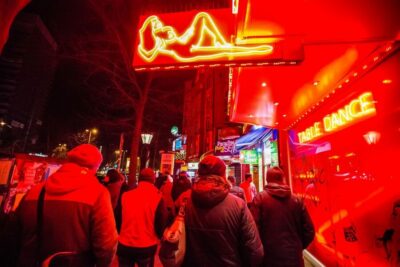
Sex and Crime in St. Pauli Tour for Ages 18+
Read our review →
Reeperbahn Lust & Laster Tour for Adults Only
Read our review →

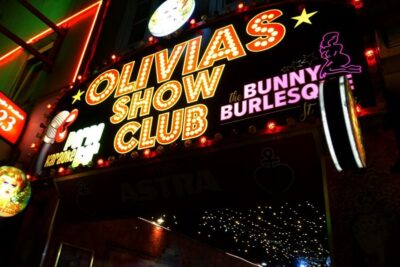
In the Footsteps of “Olivia” Reeperbahn Tour
Read our review →
St. Pauli Highlights Guided Tour with Beer for 18+
Read our review →
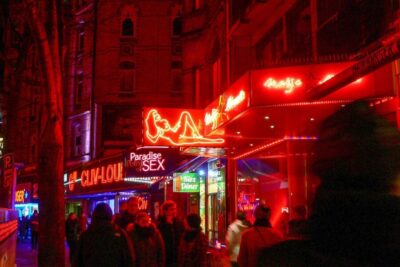
Reeperbahn Quickie, The Short & Sexy St. Pauli Tour
Read our review →Browse the lists this tour appears in