
Reviewed · DRESDEN TOURS
Dresden: Virtual Reality Time Travel Experience Ticket
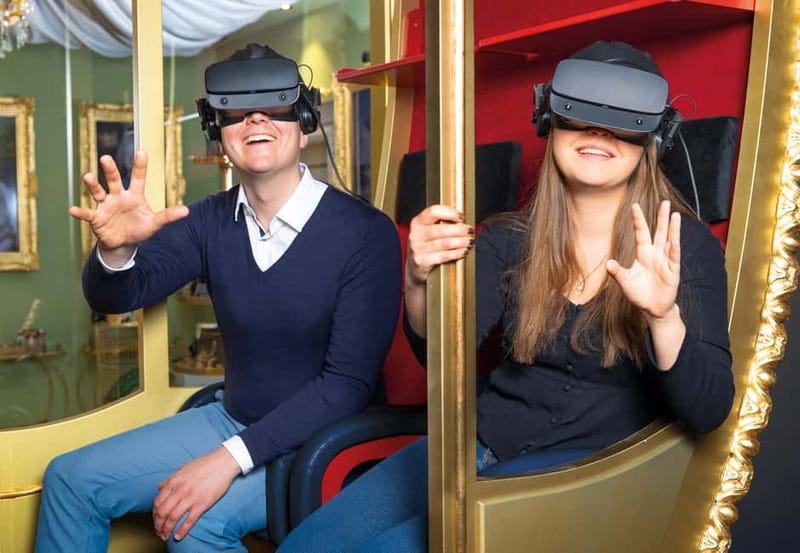
History gets a carriage ride. This 45-minute experience lets you see Baroque Dresden in 1719, with a welcoming master of ceremonies, animated scenes, music, and a virtual trip through the city. I like the clever mix of storytelling and technology, and I like that you are not simply watching a screen. You move through several settings before taking your place in a virtual carriage.
The main thing to consider is the short running time. One particularly amusing guide can make the opening feel lively, but the carriage ride itself lasts only about 15 minutes. At $23 per person, this is fair value for a compact introduction to Dresden’s past, though history fans may wish it lasted longer.
- Baroque Dresden in 1719: See the city during the era of Augustus the Strong and the House of Wettin.
- Three-part format: Move from the Hall of Mirrors to the Juggler’s Stage, then into a virtual carriage.
- A wedding fit for a court: Visit the legendary marriage of Friedrich August III and Maria Josepha inside the Dresden Zwinger.
- A lively presentation: The master of ceremonies uses animation, music, and humor to set the scene.
- Practical access: The SENSEUM is at ground level, with English and German tours and wheelchair participation available alongside the carriage.
- Short and easy to fit in: The full program takes 45 minutes and ends where it begins, directly behind the cholera fountain.
In This Review
- Start Behind the Cholera Fountain
- The Hall of Mirrors Welcomes You to Court
- The Juggler’s Stage Shows Ordinary Baroque Life
- The Virtual Carriage Ride Through Dresden in 1719
- Why the Mix of History and Theater Works
- Is $23 a Fair Price?
- Who Will Enjoy This Experience Most?
- Wheelchair Access and Other Practical Details
- My Verdict on the 45-Minute Time Travel
- FAQ
- How long does the Dresden VR time travel experience last?
- Where does the activity begin?
- Which languages are available?
- Is the experience suitable for young children?
- Is the experience wheelchair accessible?
- Can I cancel or pay later?
Start Behind the Cholera Fountain
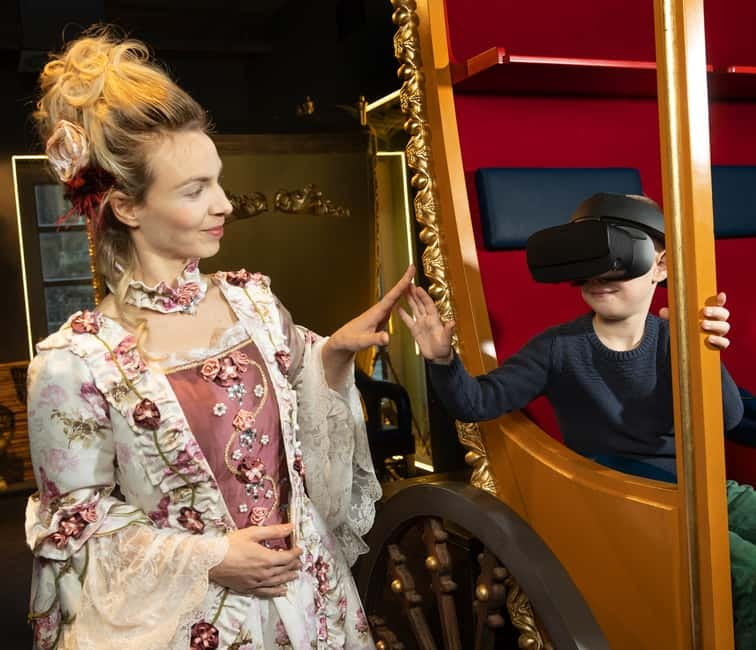
You begin directly behind Dresden’s cholera fountain at the SENSEUM. That meeting point matters because it keeps the experience easy to fit into a day of sightseeing. You do not need a bus ride or a long walk to reach the start, and the activity returns to the same spot when the clock runs out.
The indoor setting is at ground level. A live guide leads the experience in German or English, helping explain what you are seeing and keeping the pace moving. The guide’s role is important here. This is not only a headset rental with a silent screen. The introduction has a theatrical feel, and the guide can add humor to what might otherwise be a fairly formal history lesson.
The location also offers a practical benefit on a busy Dresden day. If rain, cold, or tired feet are starting to wear you down, 45 minutes indoors gives you a change of pace. Food and drinks are not included, so plan to eat before or after rather than expecting a café-style stop during the program.
The Hall of Mirrors Welcomes You to Court
The first stop is the magnificent Hall of Mirrors. Here, a master of ceremonies welcomes you in the name of Augustus the Strong, the Wettin ruler associated with Dresden’s Baroque court.
This opening section introduces the House of Wettin and sets up the political and social world you are about to enter. Animations help illustrate the dynasty, while Baroque music gives the room a courtly mood. You are not expected to arrive with a full understanding of Saxon royal history. The presentation provides enough background to explain who held power and why Dresden looked the way it did.
I like this beginning because it gives the virtual scenes a clear purpose. Instead of dropping you into an anonymous old city, the experience first explains the people and ceremonies behind it. You get a sense of Dresden as a place shaped by court life, royal display, and formal celebration.
The master of ceremonies also previews the route of the carriage ride. That small detail helps you know what is coming and gives the program a sense of progression. The carriages are prepared while jugglers entertain the audience in the suburb.
This first section lasts about 15 minutes. It is a good length for an introduction, though visitors hoping to spend a long time studying historical details may find it brisk. The guide’s humor helps. The presentation has been praised for being amusing, well delivered, and well animated, which is useful when the material could otherwise feel like a standard museum talk.
A few more tours and experiences worth a look
- Dresden: Semperoper Tickets and Guided Tour
★ 4.7 · 12,102 reviews - Dresden: Zwinger Museum Entry Ticket
★ 4.7 · 1,436 reviews - Dresden Castle General Admission Ticket
★ 4.6 · 1,328 reviews
The Juggler’s Stage Shows Ordinary Baroque Life
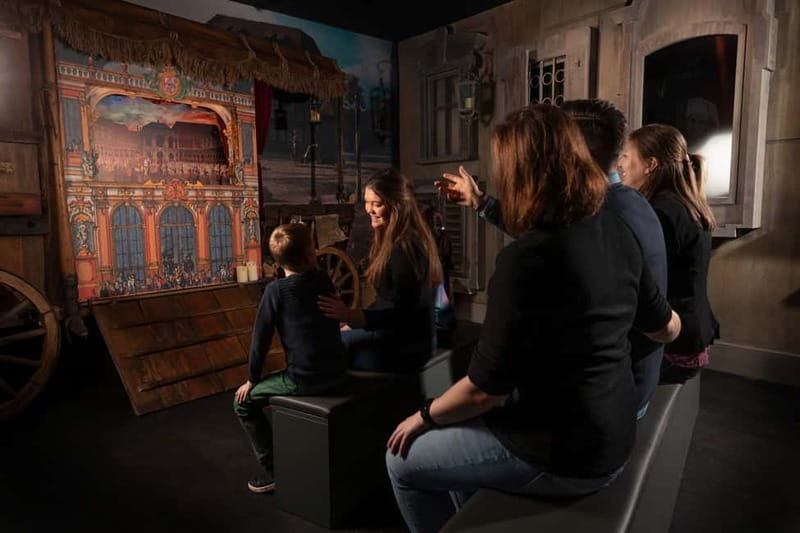
The second stop moves away from palace ceremony and toward popular entertainment. At the Juggler’s Stage, you see contemporary amusements and get a sense of life beyond the royal court.
You take part as an audience member in a digital paper theater. The style is different from the grand Hall of Mirrors, and that contrast is one of the best ideas in the program. Dresden in 1719 was not only a place of rulers, weddings, and grand rooms. It was also a city of performers, street diversions, and ordinary people looking for entertainment.
This part lasts about 15 minutes. It gives the experience a broader social view without turning into a long lecture. You see how the program uses animation to show the lives of common people, rather than presenting the past only through royal events.
The paper-theater format may appeal especially to families with children old enough to follow the story, though the activity is not suitable for children under six. Younger children may also find the courtly introduction slow before the more visual sections begin.
The Juggler’s Stage is not a replacement for a full museum visit. It offers selected scenes rather than a complete account of daily life. Still, it helps you understand that Baroque Dresden had more than polished court interiors. That shift from ruler to townspeople makes the time-travel idea feel more complete.
The Virtual Carriage Ride Through Dresden in 1719
The main event arrives when you take a seat in one of the carriages and put on the virtual reality glasses. The carriage gives the final section a physical setting, while the headset supplies the changing views.
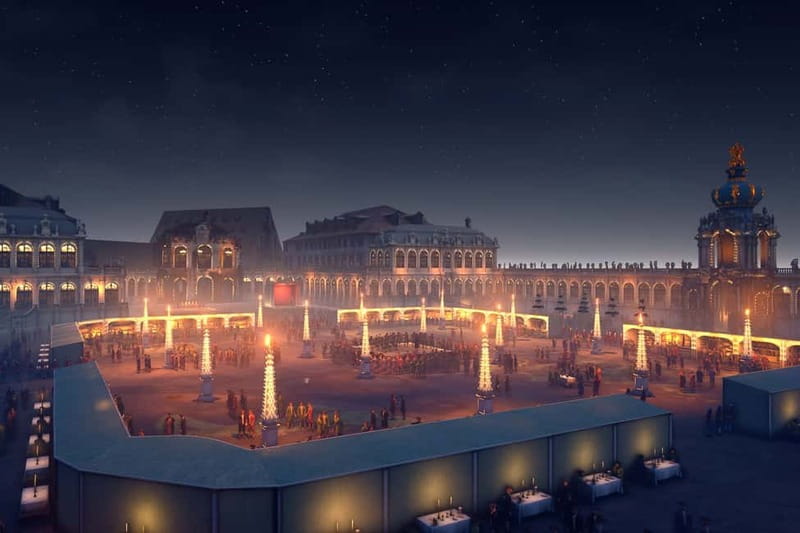
You travel through the golden Dresden of 1719 and see the suburbs, then move toward the celebrated wedding of Friedrich August III and Maria Josepha. The wedding takes place inside the Dresden Zwinger, and you are treated as an honored guest.
This is where the technology has the most impact. Instead of looking at a flat image or listening to a description of buildings that no longer appear exactly as they did, you can look around the virtual scene. The promise is simple: turn your head and see the world around you. The program uses that freedom to show Dresden from the carriage rather than from one fixed camera angle.
The wedding scene also gives the ride a strong finish. It ties the earlier explanations about court society to a specific event, with ceremony and display at the center. You see why Dresden’s Baroque image was connected so closely to royal celebrations.
The carriage segment lasts around 15 minutes. That is long enough to make it the highlight, but not long enough to satisfy everyone who wants an extended virtual tour. One clear drawback is that the VR time travel can feel short, especially if you are most interested in the city views. The program spends about equal time on its three parts, so only one third of the experience uses the carriage headset.
That design is worth understanding before you book. If you want a quick, varied show with a strong finale, the format works well. If you want 45 minutes of uninterrupted VR, this is not that experience.
Why the Mix of History and Theater Works

The program succeeds because it does not rely on technology alone. The Hall of Mirrors gives you context. The Juggler’s Stage gives you a look at everyday amusements. The carriage ride then turns those ideas into a visual journey.
I also like the change in tone. The opening feels ceremonial. The second section is more playful. The final section is grand and romantic. Those shifts keep the 45 minutes from feeling like one long recorded narration.
The master of ceremonies acts as the thread connecting the parts. A good guide matters because virtual reality can sometimes leave you unsure what to look at or why a scene matters. Here, the live presentation helps frame the images and gives the story a human voice.
The positive comments about the delivery and animation point to an important strength. A VR attraction can have impressive equipment but still feel flat if the script is weak. This one puts effort into the performance. The guide’s wit is part of the entertainment, not an optional extra.
At the same time, the program is best viewed as an introduction. It presents a polished selection of Baroque Dresden rather than a detailed course in Saxon history. You will leave with a visual impression of the city and its court culture, not a complete timeline of the Wettin dynasty.
Something different for another day:
- Dresden: The Original Night Watchman Tour in Lantern Light
★ 4.6 · 6,653 reviews - Dresden: Semperoper and Old Town Tour
★ 4.8 · 5,735 reviews - Dresden: River Sightseeing Boat Cruise
★ 4.3 · 5,323 reviews - Dresden: Tour of VW’s Transparent Factory
★ 4.5 · 4,058 reviews
Is $23 a Fair Price?
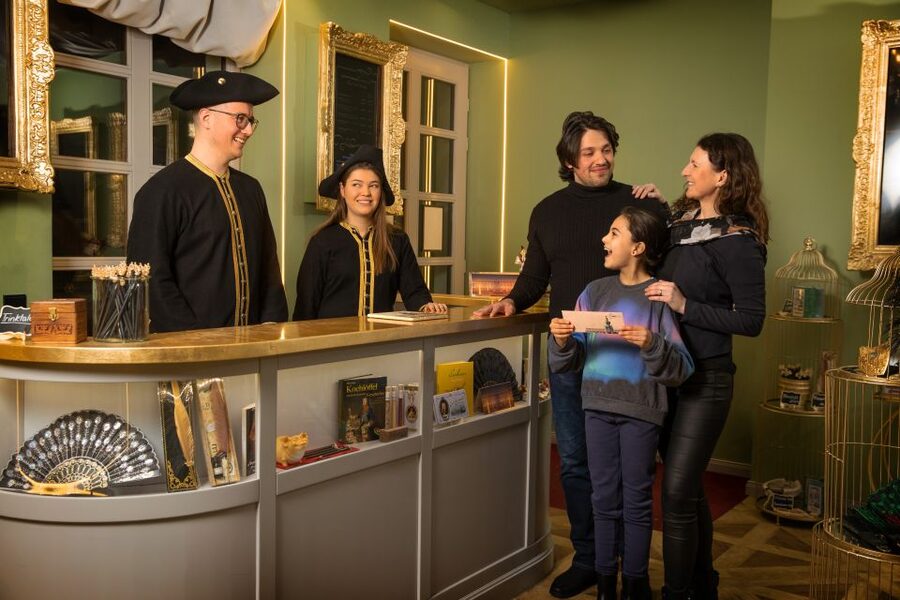
At $23 per person, the cost is reasonable if you value a short, organized attraction with a live guide and special equipment. You get three sections, English or German narration, a skip-the-ticket-line entry, and the virtual carriage ride without needing to arrange transport around Dresden.
The value is strongest for visitors who want an activity that fits between other sights. Forty-five minutes is easy to place before lunch, after a museum, or during a pause in a larger city walk. The activity also begins and ends at the same point, so there is little wasted time.
The price is less attractive if you judge it only by the amount of time wearing the headset. The carriage ride is about 15 minutes, while the other 30 minutes use live presentation, animation, music, and digital theater. That is not a flaw, but it is important to know what you are paying for.
I would see the ticket as a supplement to Dresden sightseeing, not as a substitute for visiting the city’s actual palaces, churches, and museums. The virtual scenes show you how the past may have looked, while the real city gives you the surviving buildings and collections. Used together, they answer different questions.
A 4.5 rating from 748 reviews suggests broad satisfaction, and the most praised details are the amusing guide, clear delivery, and strong animation. The recurring caution is the short VR portion. That balance gives you a good measure of what to expect.
Who Will Enjoy This Experience Most?
I would recommend this activity to first-time visitors who want an easy introduction to Dresden’s Baroque identity. You do not need prior knowledge, and the program explains its central figures before asking you to follow the virtual story.
It also suits anyone who enjoys historical attractions with a theatrical touch. The master of ceremonies, jugglers, music, and court wedding make this more playful than a standard audio guide.
Families with children over six may find the animated sections engaging, especially the Juggler’s Stage. The minimum age is six, so families with toddlers need another plan. The attraction may also work well for older visitors who prefer a seated experience, although VR comfort can vary from person to person.
The experience is a good choice for English-speaking visitors because English is offered as one of the live guide languages. German speakers can choose German. If you have a tight sightseeing schedule, the fixed 45-minute length makes planning simple.
I would be more cautious if you want a long, technical exploration of VR or a detailed study of Dresden’s architecture. The program favors story, atmosphere, and movement over extended explanation.
Wheelchair Access and Other Practical Details
The SENSEUM is at ground level and is wheelchair accessible in general. However, wheelchair users cannot access the Baroque carriages themselves. You can still take part in the VR tour alongside the carriage, but you should contact the provider in advance so the team can prepare the experience.
That distinction is worth handling before arrival. The activity is not fully identical for every participant, yet the alternative allows wheelchair users to join the VR portion rather than miss the program altogether.
Flash photography is not allowed. Food and drinks are not included. The activity ends back at the meeting point, directly behind the cholera fountain, which makes it easy to continue sightseeing nearby.
You can cancel up to 24 hours before the start for a full refund. You can also reserve now and pay later, which is useful when your Dresden schedule is still changing. Starting times vary, so check availability when booking.
My Verdict on the 45-Minute Time Travel
Book this experience if you want a short, polished look at Dresden in 1719, especially if the idea of a virtual carriage through the city appeals to you. The strongest parts are the lively guide work, the well-made animation, and the way the program connects royal ceremony with ordinary entertainment.
Do not book it expecting 45 minutes inside a headset. Only the final section uses the virtual carriage, and that section lasts about 15 minutes. The rest is live storytelling, music, and digital theater.
For $23, I think it earns its place in a Dresden itinerary when you want context before exploring the real city. It is compact, accessible in several practical ways, and easy to fit into a busy day. Just keep your expectations focused: this is a theatrical history experience with a VR finale, not a full-length virtual tour.
FAQ
How long does the Dresden VR time travel experience last?
The experience lasts 45 minutes. Check the available starting times when booking.
Where does the activity begin?
It begins directly behind the cholera fountain at the SENSEUM Dresden. The activity also ends back at the same meeting point.
Which languages are available?
The live tour guide is available in German and English.
Is the experience suitable for young children?
The activity is not suitable for children under six years old.
Is the experience wheelchair accessible?
The SENSEUM is at ground level and wheelchair accessible. Wheelchair users cannot access the Baroque carriages, but they can take part in the VR tour alongside the carriage. Contact the provider in advance so arrangements can be made.
Can I cancel or pay later?
You can cancel up to 24 hours in advance for a full refund. You can also reserve your place and pay later.
Just added around Dresden
- From Dresden: Guided Day Tour by Bus of Seiffen Toy Village★ 4.0 · 13 reviews
- Dresden: Christmas Sightseeing Tour with a ‘Pflaumentoffel’★ 4.5 · 13 reviews
- Dresden: Bike Rental – City Bike with Option Children Seat★ 4.5 · 13 reviews
- Sightseeing tour by ConferenceBike★ 5.0 · 14 reviews
- Dresden Neustadt: Scavenger Hunt for Children★ 4.8 · 15 reviews
- Dresden: Scavenger Hunt to Elbe River & Castles★ 4.7 · 15 reviews
- Street Art Tour Dresden Neustadt★ 4.0 · 15 reviews
- Dresden: 150-minute Trabi tour as a guided city tour★ 4.9 · 15 reviews
Dresden Tours, compared.

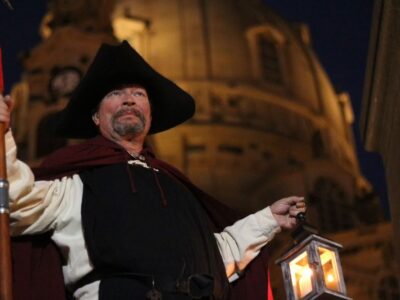
The Original Night Watchman Tour in Lantern Light
Read our review →



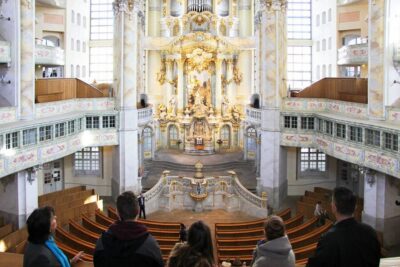

Browse the lists this tour appears in